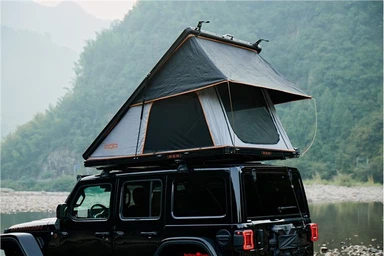
Windproof measures for rooftop tents
Mar 04, 2025
In outdoor activities, rooftop tents are widely popular for their convenience and comfort. However, in the face of strong winds, how to ensure the safety and stability of rooftop tents is an issue that every camper needs to pay attention to. The following are some effective windproof measures for rooftop tents to help you camp with peace of mind in windy weather.
1. Choose a suitable installation location
When choosing the installation location of the rooftop tent, try to choose a place that is leeward. If there are trees, rocks or other natural barriers around, you can use them to block some of the wind. In addition, make sure that the installation location of the rooftop tent is flat and stable, and avoid setting it up on inclined or soft ground.
2. Use high-quality fixings
2.1 Fixing brackets
Choose high-quality metal brackets, such as aluminum alloy or stainless steel, which have good strength and corrosion resistance. When installing, make sure that the bracket fits tightly against the vehicle body and use a sufficient number of screws with appropriate specifications to fix it.
2.2 Ropes and tensioners
Use high-strength nylon ropes to connect the tent to the fixing points of the vehicle body through reasonable tying methods. The tensioner can help adjust the tension of the rope to ensure that the tent is evenly stressed and will not shake in the wind.
3. Add additional support
3.1 Windproof poles
Windproof poles can provide additional support on the sides and bottom of the tent to reduce the deformation and shaking of the tent under strong winds. These poles are usually made of lightweight and sturdy materials, easy to carry and install.
3.2 Ground anchors
If the ground conditions at the camping site permit, you can use ground anchors to fix the bottom of the tent to the ground. The ground anchor can be made of metal and connected to the tent by ropes after being inserted into the ground. This method can significantly improve the stability of the tent.
4. Adjust the angle of the tent
In strong wind weather, the angle of the tent can be appropriately adjusted to be parallel to the wind direction. This can reduce the direct impact of the wind on the tent and reduce the risk of the tent being blown over.
5. Regular inspection and maintenance
When using a rooftop tent, the fixtures and supporting structures of the tent should be checked regularly to ensure that they are in good condition. Especially before the arrival of strong winds, the tent should be fully inspected to promptly identify and resolve potential problems.
6. Avoid using in extreme weather
Despite taking various windproof measures, it is best to avoid using a rooftop tent in extremely severe weather conditions, such as storms and typhoons. In this case, it is wiser to choose a safer shelter.
The above measures can effectively improve the stability and safety of the rooftop tent in windy weather, making you feel more at ease and comfortable during outdoor activities.