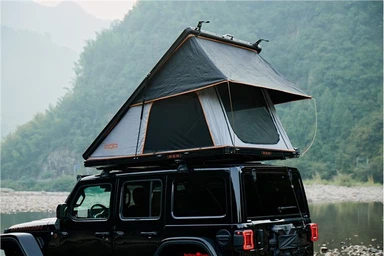
How to Use a Roof Top Tent: Complete Guide & Safety Tips for Camping & Overlanding?
Mar 25, 2026
Roof top tents (RTTs) have become a popular choice for outdoor enthusiasts, offering a convenient, comfortable, and safe way to camp during road trips, overlanding adventures, or weekend getaways. Unlike traditional ground tents, roof top tents elevate your sleeping space off the ground, keeping you away from moisture, insects, and small animals-solving common camping pain points. To get the most out of your roof top tent and ensure a safe, enjoyable experience, it's important to master the correct usage methods and follow key safety precautions. This detailed guide walks you through everything you need to know about roof top tent setup, storage, and maintenance, suitable for both beginners and experienced campers looking to optimize their outdoor adventures. Whether you're new to RTTs or looking to refine your skills, this guide covers all essential details to help you camp with confidence.
Part 1: Step-by-Step Roof Top Tent Usage Guide
Using a roof top tent is simpler than you might think, especially with most modern quick-setup roof top tent models. Follow these standard, easy-to-follow steps to set up and store your RTT properly, supporting longevity and optimal performance for every camping trip.
1. Pre-Departure Check (Essential for Roof Top Tent Safety)
Before hitting the road with your roof top tent, take a few minutes to inspect your RTT and its mounting system-this step helps prevent accidents during travel or camping and protects your roof top tent investment:
Check the weight capacity of your roof rack/crossbars. Ensure it can support the total weight of the roof top tent plus the people sleeping in it-we recommend a minimum capacity of 150kg (330lbs) for safe roof top tent use.
Tighten all mounting bolts, buckles, and straps to ensure the roof top tent is securely attached to the roof rack. Loose fittings can lead to roof top tent damage or danger while driving.
Pack essential roof top tent accessories: tent pegs, guy ropes, a small wrench (for rechecking bolts), and a clean cloth (for wiping down the roof top tent fabric after use).
2. Roof Top Tent Setup Steps (Universal for Quick-Open Models)
Once you've arrived at your camping spot and parked on flat, solid ground (critical for roof top tent stability), follow these simple steps to set up your roof top tent:
Unfasten all external straps and safety buckles that secure the folded tent.
Gently lift the top of the roof top tent-most quick-open models have hydraulic rods or automatic brackets that will pop open the tent frame easily, saving you time and effort.
Extend the awning or side curtains (if your roof top tent is equipped with them) and secure them in place to provide extra shade or protection from light rain during your camping trip.
Lower the ladder and lock it into position. Give it a gentle shake to ensure it's stable and won't wobble when climbing up or down.
Secure the roof top tent with guy ropes and tent pegs. Even if the wind seems mild, this step is important to enhance roof top tent stability and prevent it from swaying.
Enter the roof top tent via the ladder, then lay out sleeping pads or sleeping bags. Your comfortable outdoor sleeping space-powered by your roof top tent-is ready!
3. Roof Top Tent Storage Steps (Protect Your RTT for Longevity)
Proper storage after use is important to extend the life of your roof top tent and keep it in good condition for future camping trips. Follow these steps to fold and secure your RTT correctly:
Remove all items from inside the tent, then retract the ladder and lock it in place.
Take down the guy ropes and tent pegs, then fold back the awning or side curtains.
Slowly press down on the top of the tent to fold it back into its original compact shape. Be careful not to force it-let the frame fold naturally.
Reattach the safety buckles and external straps to secure the folded tent tightly.
Do a final check of all mounting bolts to ensure the roof top tent is firmly attached to the roof rack, with no loose parts or rattling sounds during driving.
Part 2: Roof Top Tent Safety Tips & Precautions
While roof top tents are safe when used correctly, ignoring these precautions can lead to accidents, damage to your roof top tent, or a poor camping experience. Pay close attention to these key points to keep your RTT use safe and enjoyable:
1. Safety First: Avoid Hazardous Weather Conditions
Never use the roof top tent during strong winds, heavy rain, or thunderstorms. High winds can damage the roof top tent frame or even blow it off the roof, while thunderstorms pose a safety risk.
Always ensure the ladder is fully locked before climbing. Hold onto the ladder firmly when going up or down, and avoid stepping on the edges to prevent slipping.
Do not place sharp or heavy objects inside the car that could hit the tent during driving. This can cause tears or damage to the tent fabric.
Never exceed the roof top tent's recommended capacity. Overloading the RTT can strain the frame and roof rack, leading to structural damage.
2. Roof Top Tent Site Selection: Choose a Safe Location
Park your vehicle on flat, solid ground for roof top tent setup. Avoid steep slopes, soft sand, or muddy areas, as these can cause the vehicle to tilt or the roof top tent to become unstable.
Stay away from cliffs, rockfall zones, or low-lying areas near rivers. These locations pose risks of falling debris or flooding.
Do not set up the tent near flammable materials, and never use open flames (such as barbecues) directly under or near the tent-this is a fire hazard.
3. Roof Top Tent Waterproofing and Maintenance
Always dry the roof top tent completely before folding and storing it. Moisture trapped inside can cause mold, mildew, and unpleasant odors, which may damage the roof top tent fabric over time.
Regularly inspect the roof top tent's waterproof strips and zippers. If you notice minor leaks, use a waterproof spray to repair them and maintain the roof top tent's water resistance.
Avoid scratching the roof top tent fabric or mesh with sharp objects. Even small tears can reduce the roof top tent's waterproofing and durability.
4. Driving with a Roof Top Tent: Long-Distance Travel Tips
Double-check all roof top tent mounting points before driving on the highway. High speeds can put extra stress on the roof top tent and roof rack, so ensure everything is tight.
Measure the total height of your vehicle (including the roof top tent) before passing under overpasses or entering parking garages to avoid collisions.
After driving on rough or bumpy terrain (such as off-roading), stop and recheck the bolts to ensure they haven't come loose-this helps protect your roof top tent from damage during travel.
5. Roof Top Tent Daily Use Tips for Comfort
Keep the roof top tent well-ventilated to prevent condensation inside. Open the mesh windows or vents to allow air circulation, especially during cold or humid weather-this helps keep your roof top tent interior comfortable.
In areas with lots of insects, close the mesh screens before turning on lights inside the roof top tent-this will keep bugs out and maintain a comfortable space.
For winter camping, add an insulation liner to the roof top tent to improve warmth and comfort during cold weather camping trips.
With these step-by-step roof top tent instructions and safety tips, you can fully enjoy your RTT, whether you're embarking on a cross-country overlanding trip or a simple weekend camping getaway. Remember, proper roof top tent usage and maintenance not only help ensure your safety but also extend the life of your tent, making it a reliable companion for all your outdoor adventures. By following this guide, you'll get the most out of your roof top tent and enhance your camping experience.