EN
EN
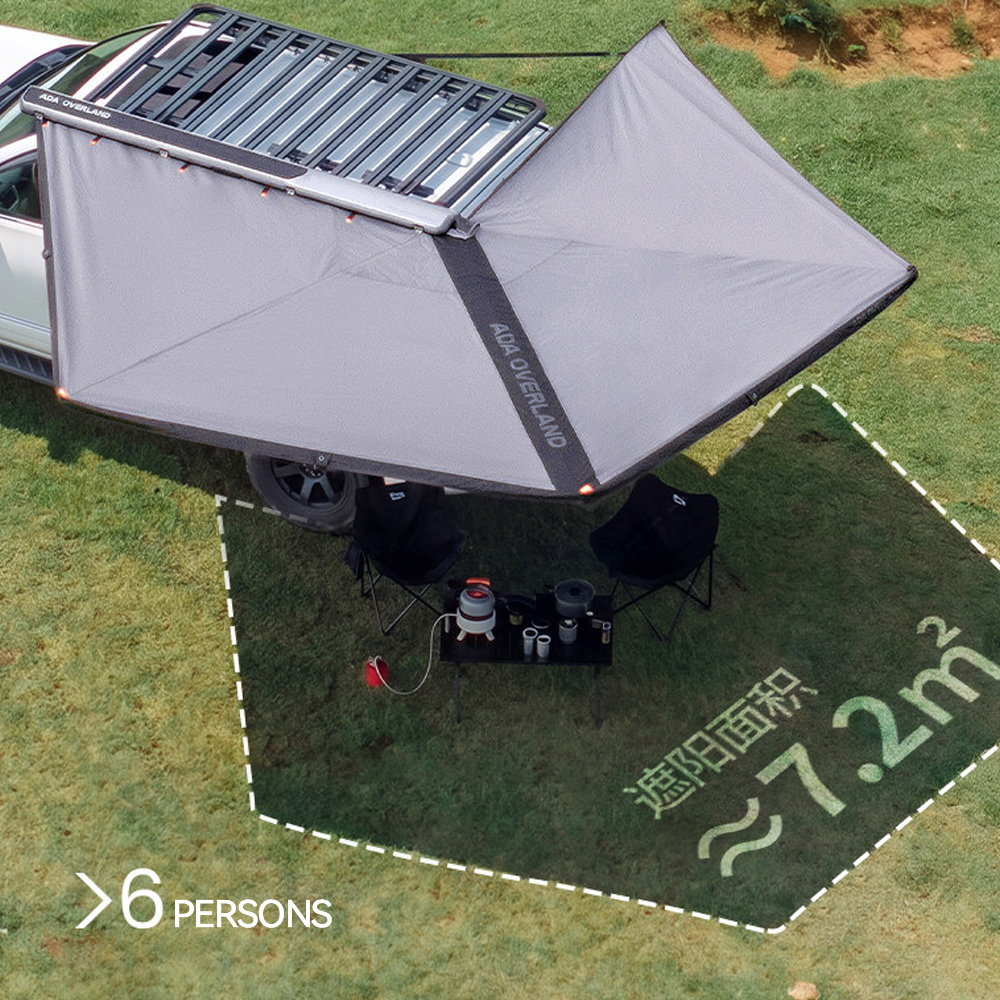
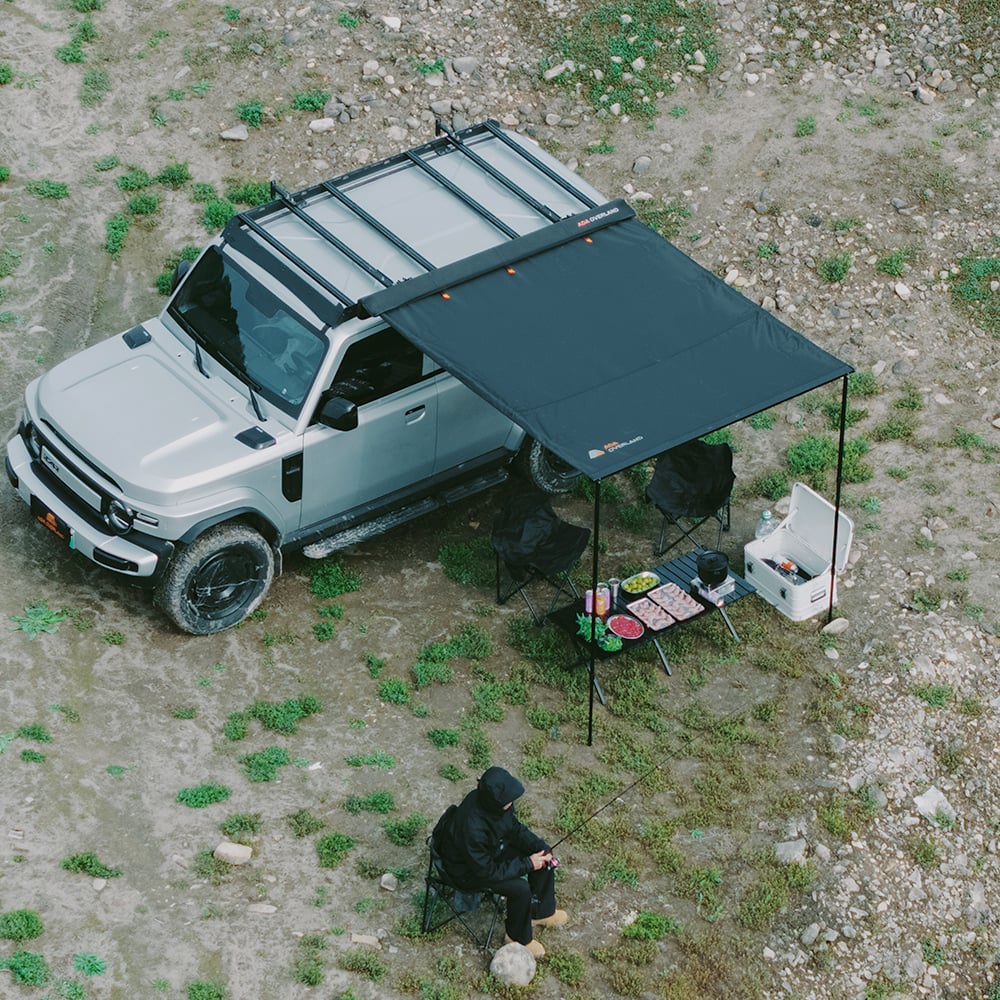
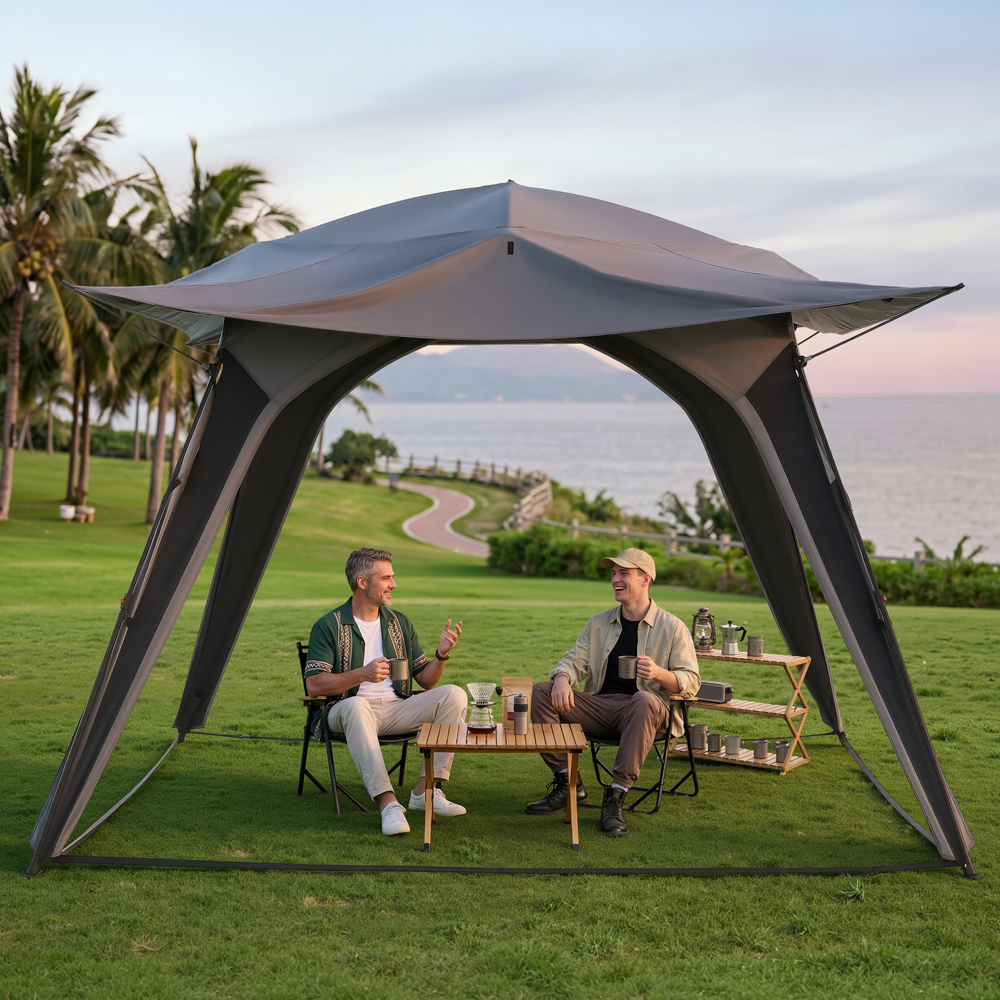
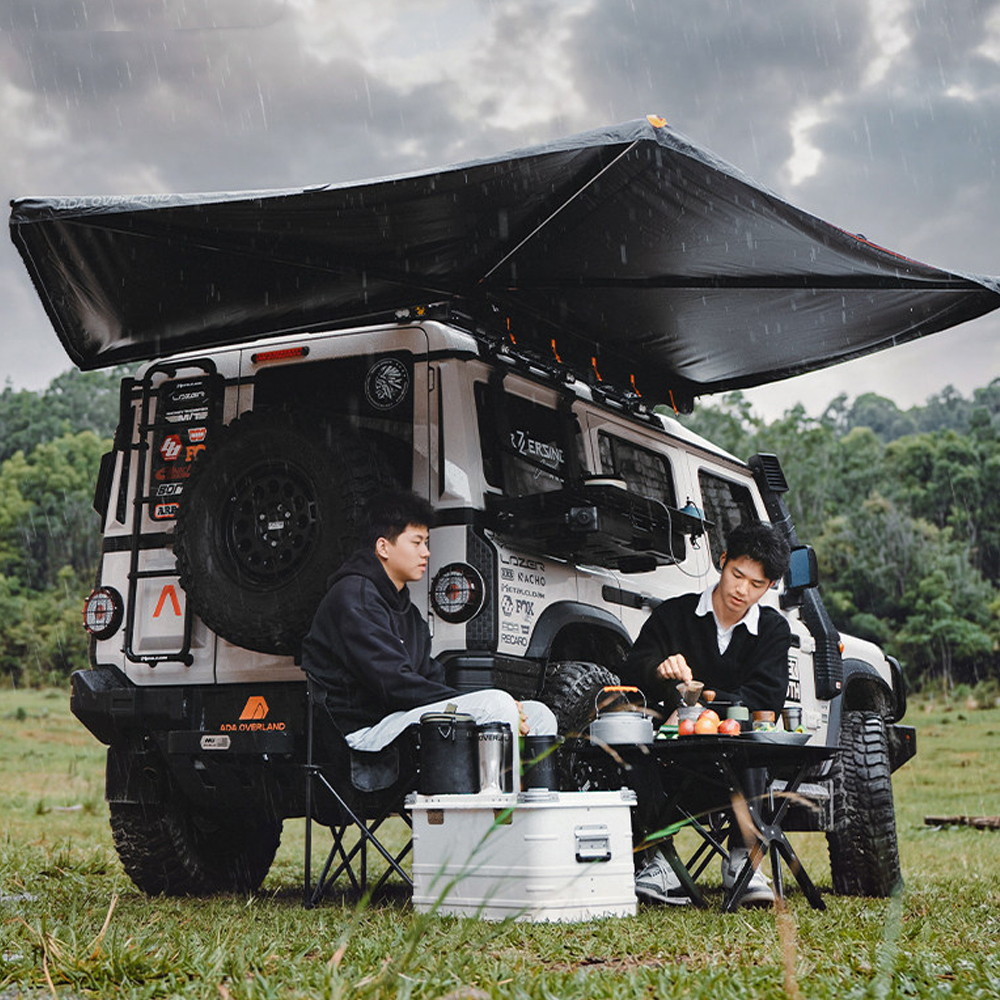
For the dedicated overlander, a 270-degree awning is more than just a luxury accessory; it is a critical piece of camp infrastructure. When deployed, it transforms the side of a vehicle into a massive shaded living room, providing relief from blistering sun and a dry haven during sudden downpours. However, because it extends so far from the vehicle, this type of awning catches wind like a sail and endures relentless UV exposure. The materials used to build it—from the metal frame to the canopy fabric—ultimately dictate how many years it will serve reliably. Cutting corners on these materials may save a few dollars at the register, but it almost guarantees that the awning will be flapping in the wind, rusting at the joints, or tearing at the seams within just a couple of seasons. Understanding the physics of these materials is the smartest way to make a purchase that delivers genuine long-term value.
Why Anodized Aluminum is the Gold Standard for Awning Frames
When evaluating the frame of a 270-degree awning, the choice of metal is critical. Steel, while strong, is heavy and notoriously susceptible to rust. Even a minor scratch in the paint coating can expose the metal beneath, inviting rapid oxidation in humid or coastal environments. Aluminum, on the other hand, has become the undisputed champion for awning frames. It is remarkably lightweight, which makes a massive difference when lifting the awning onto a roof rack and during the daily deployment. Beyond weight, aluminum naturally forms a protective oxide layer when exposed to the air. This built-in armor acts as a shield against rain and salt spray. To make it even more resilient, the best frames undergo an anodizing process. This electrochemical treatment thickens the natural oxide layer, creating a hard, corrosion-resistant surface that withstands years of UV radiation, freezing temperatures, and salt-laden ocean breezes. Overlanding enthusiasts who have spent years on the coast consistently report that anodized aluminum frames remain structurally sound long after cheaper painted steel equivalents have turned to brittle rust.
Avoiding the Misstep of Titanium for Recreational Use
In the search for ultimate durability, some manufacturers experiment with titanium alloys. It is true that titanium offers incredible corrosion resistance, making it a preferred metal for deep-sea marine hardware. However, for a recreational vehicle awning, titanium introduces more problems than it solves. It is significantly heavier than aluminum, which adds unnecessary strain to the vehicle’s roof rack and makes the awning cumbersome to pack and deploy. Furthermore, working with titanium requires specialized, high-cost fabrication techniques. This pushes the retail price of the awning to a level that is difficult to justify for seasonal campers. Unless an awning is being permanently mounted on an offshore oil platform where salt spray is a constant, unrelenting threat, titanium simply does not provide a sensible return on investment. A well-maintained anodized aluminum frame will outlast the vehicle it is mounted on in nearly every real-world scenario.
The Fabric War: Solution-Dyed Acrylic vs. PVC-Laminated Polyester
The canopy fabric is the first line of defense against the sun and rain, and the difference between high and low quality often comes down to how the color is applied. PVC-laminated polyester is a common budget option. It relies on a surface coating to provide color and waterproofing. Over time, the harsh UV rays break down this coating. The fabric begins to chalk, delaminate, and eventually loses its waterproof seal. In stark contrast, solution-dyed acrylic is a premium fabric choice that embeds the pigment directly into the core of the fiber during the manufacturing process. Because the color goes all the way through the thread, UV rays cannot wash it out or fade it easily. Even after years of intense exposure, the fabric retains its vibrant look and structural integrity. This embedded pigment also prevents the micro-cracking that allows moisture and mildew spores to penetrate. For awnings that are left deployed for days at a time in the hot sun, the solution-dyed acrylic is vastly superior, offering a lifespan that often extends well beyond a decade.
Mildew and mold are the silent killers of outdoor fabrics. When a rain-soaked awning is packed away while still damp, the trapped moisture creates a perfect breeding ground for fungal growth. This not only leaves an unpleasant odor but also degrades the fibers over time. High-quality solution-dyed acrylic fabrics are often treated with built-in fungicidal finishes that actively resist mold development, even in environments with ninety percent relative humidity. This is a stark contrast to standard PVC materials. When the surface coating on PVC begins to degrade, moisture can seep into the microscopic gaps between the laminate and the underlying polyester mesh. This trapped water becomes trapped moisture, leading to visible mold spots that are nearly impossible to wash out. Investing in a canopy that is naturally resistant to mold pays for itself by keeping the gear clean, safe, and odor-free for years.
The Role of Next-Generation Nano-Coatings
The latest advancements in textile technology have introduced self-cleaning surfaces to the outdoor market. These photocatalytic nanocoatings contain titanium dioxide particles. When activated by sunlight, these particles break down organic contaminants such as bird droppings, tree sap, and atmospheric pollution. When the rain eventually falls, it simply washes the degraded residue away. Field observations from seasoned travelers show that awnings with this nanotech treatment accumulate significantly less grime over a twelve-month period compared to untreated fabrics. Some premium manufacturers also apply anti-microbial finishes that utilize silver ions to disrupt bacterial cell membranes. This combination of self-cleaning and anti-microbial properties is particularly valuable for those camping in tropical or heavily wooded areas, where moisture and organic debris are constant factors.
How Thermal Expansion and Wind Load Test the Structure
A 270-degree awning covers a massive area, which means it acts as a large sail when the wind picks up. Even moderate gusts can exert strong lifting forces on the pivot points. If the frame and the fabric expand and contract at different rates in hot and cold weather, the seam attachments become strained. Over many cycles, this mechanical stress can cause the fabric to separate from the frame. To combat this, good designers engineer intentional gaps that allow the metal and the fabric to move independently. Furthermore, proper anchoring points must be distributed evenly to ensure that the lift generated by the wind is absorbed by multiple points rather than just a single stressed corner. These engineering details are what separate a reliable shelter from one that collapses at the first sign of a storm.
Budget-oriented shoppers often focus entirely on the lowest upfront price tag. However, experienced overland travelers have learned that a cheap awning is an expensive long-term mistake. A budget setup with a steel frame and a polyester canopy might cost half as much at purchase, but it requires annual re-waterproofing treatments and eventually fails completely after just four years. Conversely, a premium system built with anodized aluminum and solution-dyed acrylic can easily endure a decade of heavy use with nothing more than a soap-and-water wash at the end of each season. When the total cost of ownership is calculated over a ten-year period, the premium setup is almost always the more economical choice. It reduces the hassle of frequent replacements and eliminates the waste associated with disposable, low-quality goods.
Why Manufacturing Precision Dictates Long-Term Performance
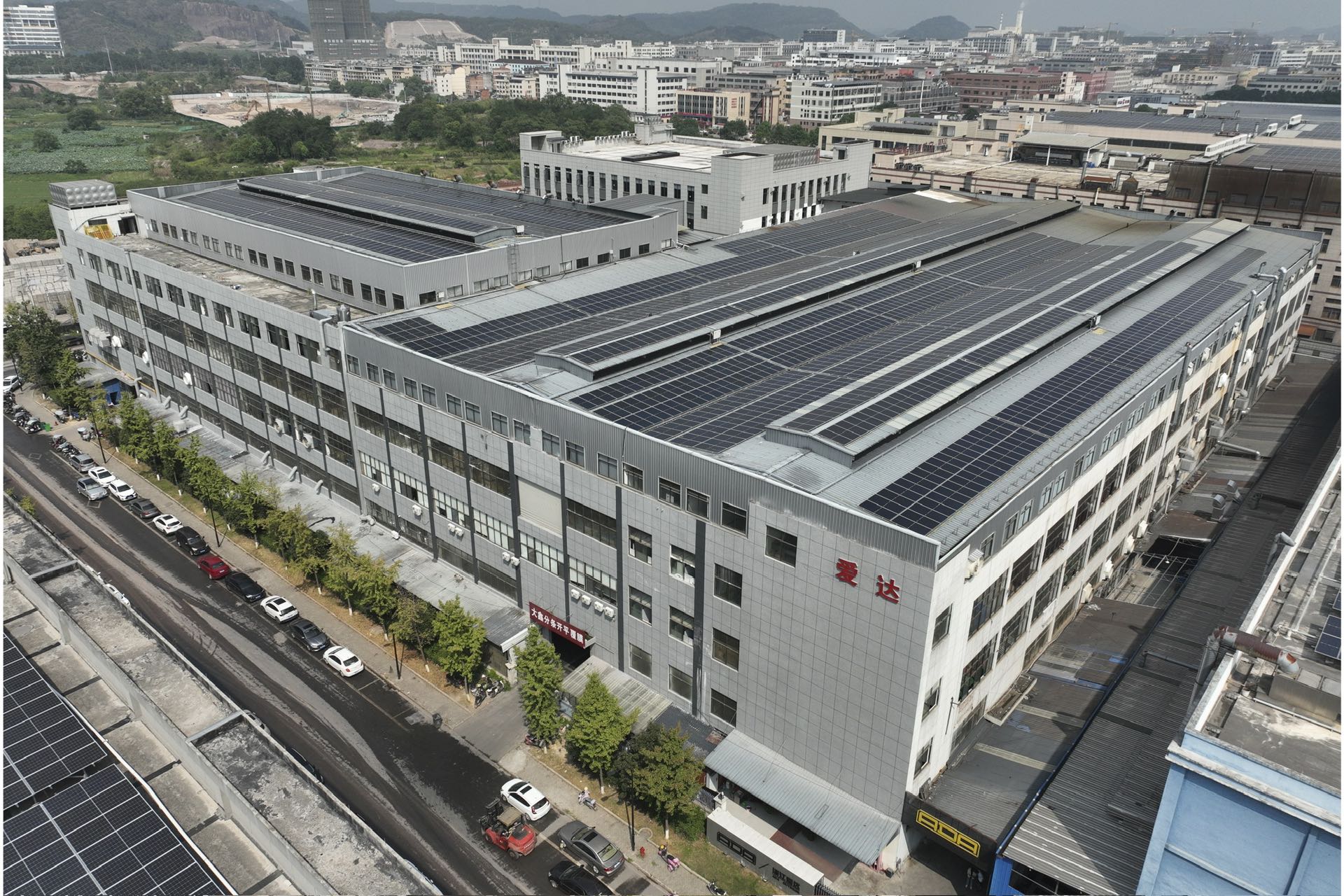
Ultimately, the longevity of a 270-degree awning rests heavily on the manufacturing discipline behind the components. The thickness of the anodized layer, the tensile strength of the fabric weave, and the durability of the aluminum extrusion process all depend on strict quality control. Reputable suppliers who adhere to international quality management systems, such as ISO 9001, perform thorough incoming inspections on raw metal alloys and fabric rolls before they enter the production line. By maintaining tight oversight over the entire supply chain—from the initial sourcing of the aluminum billets to the final stitching of the canopy—reliable manufacturers guarantee that the product will perform flawlessly. For a traveler who trusts their awning to provide safety and comfort in remote locations, knowing that it was built under transparent, controlled manufacturing standards offers unparalleled peace of mind.
 Hot News
2026-09-23
2026-09-25
2026-09-22
2026-09-15
2026-09-13
2026-09-06
Zhejiang Ada Outdoor Products Co.,Ltd. provides premium rooftop tents and outdoor camping gear for global B2B partners. 8+ years, 60+ patents, strict QC. Trusted by international brands. Request OEM quote today.