EN
EN


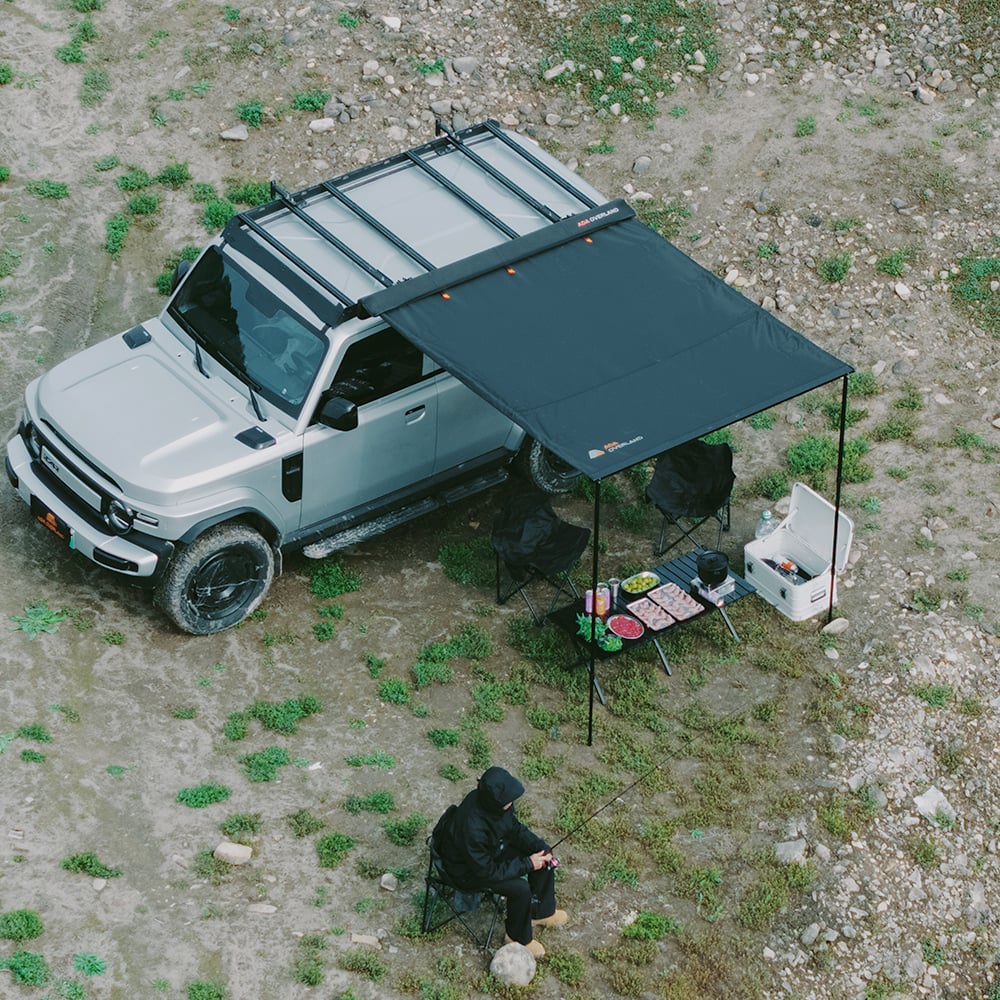
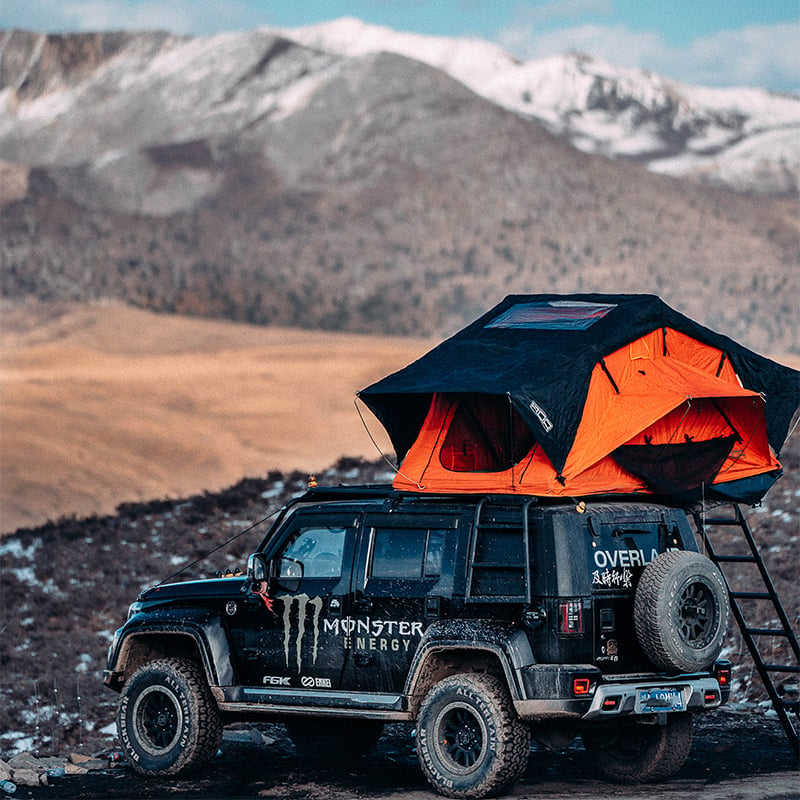
For those who live for the open road, where the destination is often a remote dirt track or a wind-swept coastal cliff, the traditional camping setup has long been a source of friction. Unpacking a ground tent, searching for level dirt, and staking it down takes time and energy that could be spent watching the sunset. A car tent changes this dynamic entirely. By attaching directly to the vehicle’s rear hatch, roof rack, or side panel, it transforms the family SUV or rugged pickup into a mobile basecamp. It eliminates the need for cleared ground, pulls the sleeping quarters out of the mud, and creates a seamless connection between the comfort of the vehicle and the wild outdoors. For road trippers and overlanders, this isn't just an upgrade—it's a fundamental shift in how they approach travel. The ability to pull over, deploy the shelter in under five minutes, and instantly access stored supplies from the cargo bay makes every overnight stop feel effortless.
The Real-World Benefit of an Elevated, Attached Shelter
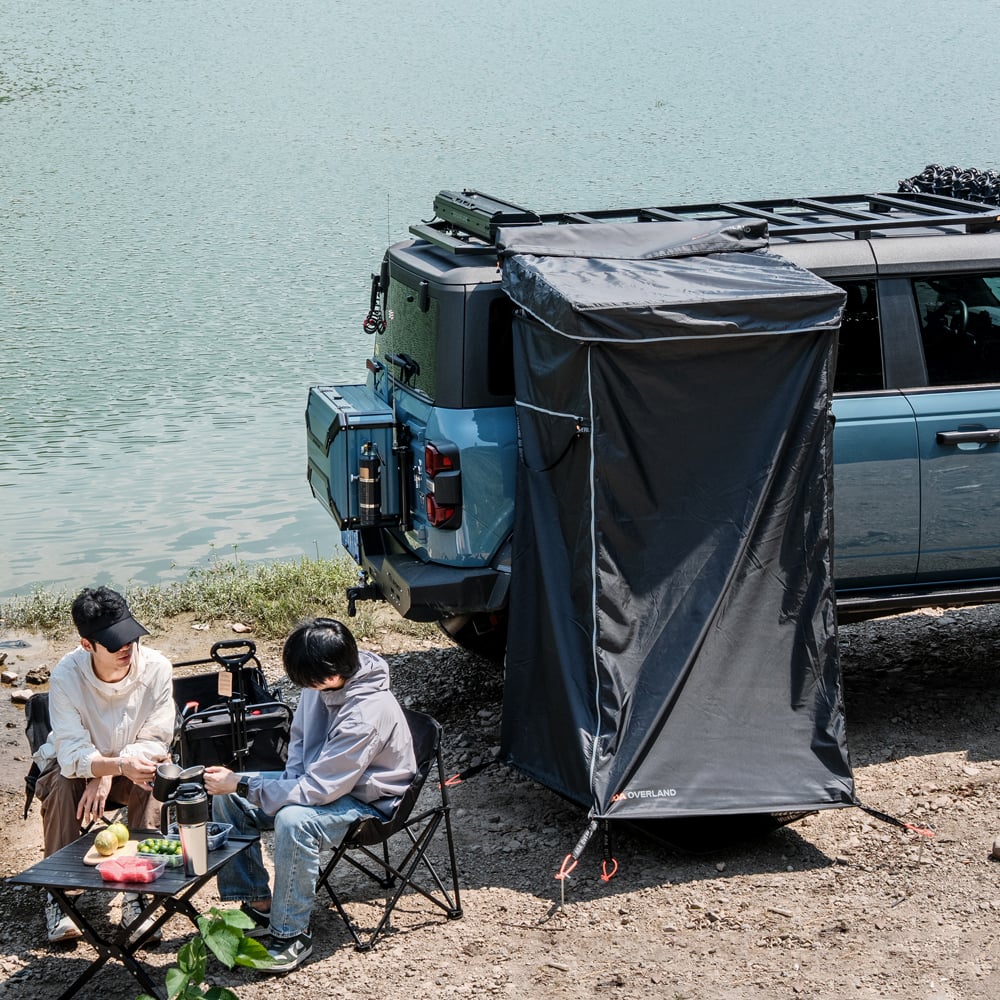
The biggest advantage of a car tent is the way it elevates the sleeping platform above the natural hazards of the campsite. When a heavy rain hits, water naturally pools on the ground, turning a standard tent floor into a soggy mess. With a rooftop or trunk-mounted car tent, the sleeping area remains completely dry and elevated. This also provides a physical barrier against crawling insects, snakes, or rodents that are common in wooded or desert areas. Another comfort factor that frequent travelers quickly notice is the accessibility. When the tent is sealed around the open hatch, a camper can reach into the back of the car to grab a jacket, charge a phone from the vehicle's power port, or simply turn on the cabin heat without ever stepping foot outside. This synergy between the car and the shelter creates a dry, warm, and secure living zone that feels less like roughing it and more like a comfortable, protected retreat.
Understanding the Physics of Good Ventilation
A poorly ventilated tent can turn a great night into a damp, miserable one. Warm air rises, and if it cannot escape, it hits the cold tent walls, condenses into water, and drips onto sleeping bags. This is where dual-zone ventilation systems are so effective. They work on a simple chimney effect principle: lower mesh panels near the ground draw in fresh, cool air, while roof vents allow the warm, moisture-laden air to escape upward. By creating a continuous, gentle flow of air, this system dramatically reduces internal condensation. For travelers in humid coastal areas, this feature is non-negotiable. Without it, the interior can become stifling, and the mattress can feel damp to the touch. High-density insect mesh ensures that while fresh air flows in, mosquitoes and midges are kept strictly outside. Good airflow doesn't just keep the tent dry; it significantly improves the quality of sleep, which is especially vital after a long day of driving and hiking.
What Keeps a Car Tent Safe in Storms and High Winds
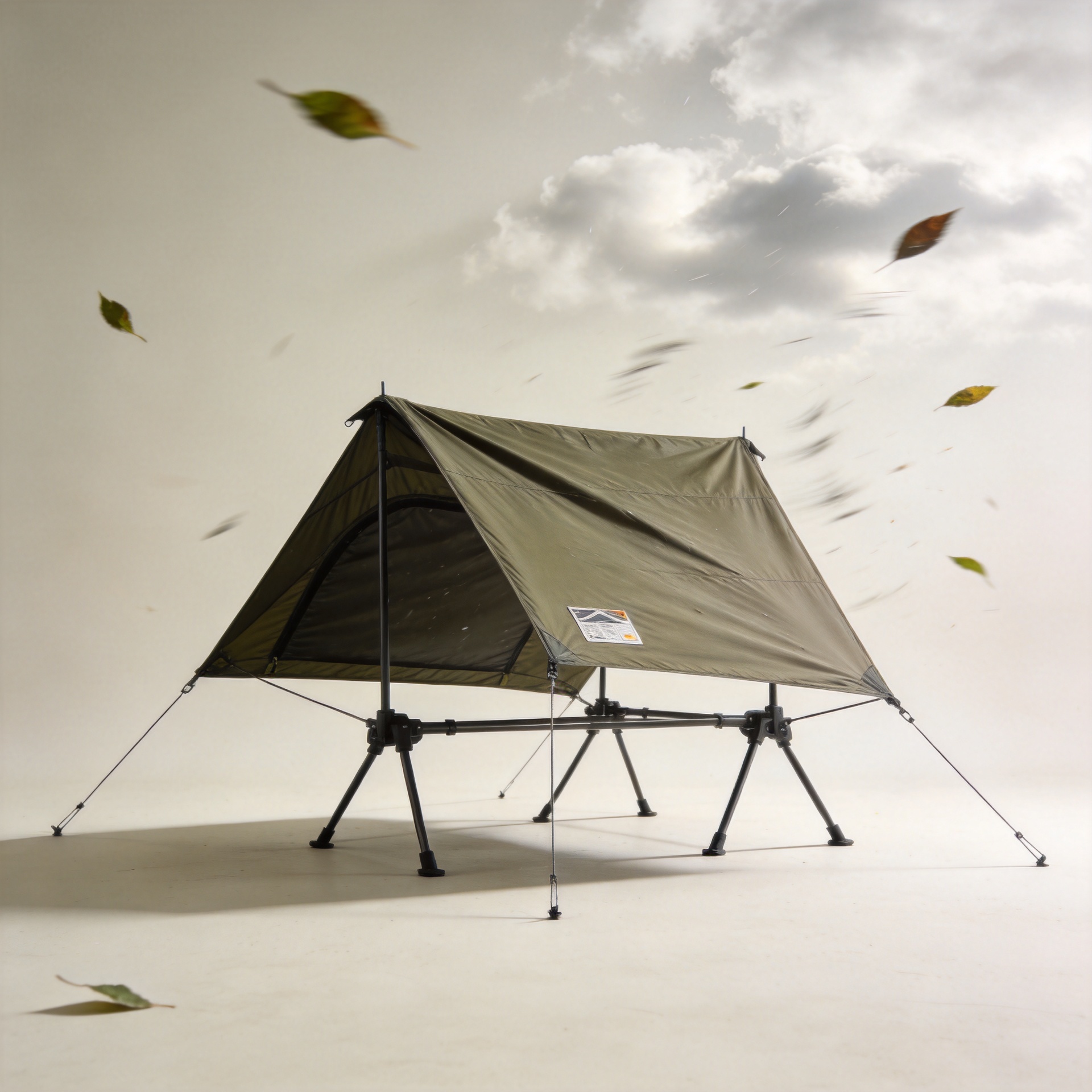
When the weather turns ugly, the structural integrity of the car tent is what protects the occupants. The minimum standard for any reliable shelter is a 3000mm hydrostatic head rating on the rainfly and floor, coupled with seams that are fully taped to prevent water seepage. However, water resistance is only half the battle. Wind stability is what really tests a tent's engineering. Premium car tents utilize aircraft-grade aluminum poles because they offer exceptional strength-to-weight ratios, allowing the frame to flex slightly under gusty winds without snapping. The aerodynamic profile of the tent is also critical; it allows wind to slide over the canopy rather than catching it like a sail. When deployed with multiple anchor points and firmly attached to a sturdy vehicle frame, these tents have been proven to withstand gusts well over 35 miles per hour. For campers who find themselves on exposed ridges or open plains, this wind resilience provides essential peace of mind.
One of the main reasons travelers shy away from car camping gear is the fear of complex assembly. Modern car tents have effectively removed this barrier. Telescoping poles eliminate the need to connect multiple flimsy segments, and color-coded hubs make the process nearly foolproof. Most quality designs can be fully deployed and secured to the vehicle in under five minutes, often by a single person. What makes these tents truly versatile is the adjustable mounting hardware. Whether the traveler drives a high-clearance SUV, a sleek hatchback, or a heavy-duty pickup truck, universal strap systems allow the tent to seal perfectly against the rear tailgate, roof rack, or side door. This flexibility is a huge advantage for families or groups that might switch vehicles for different trips. It ensures that the expensive gear remains functional regardless of what is parked in the driveway.
Matching the Mounting Style to the Way You Travel
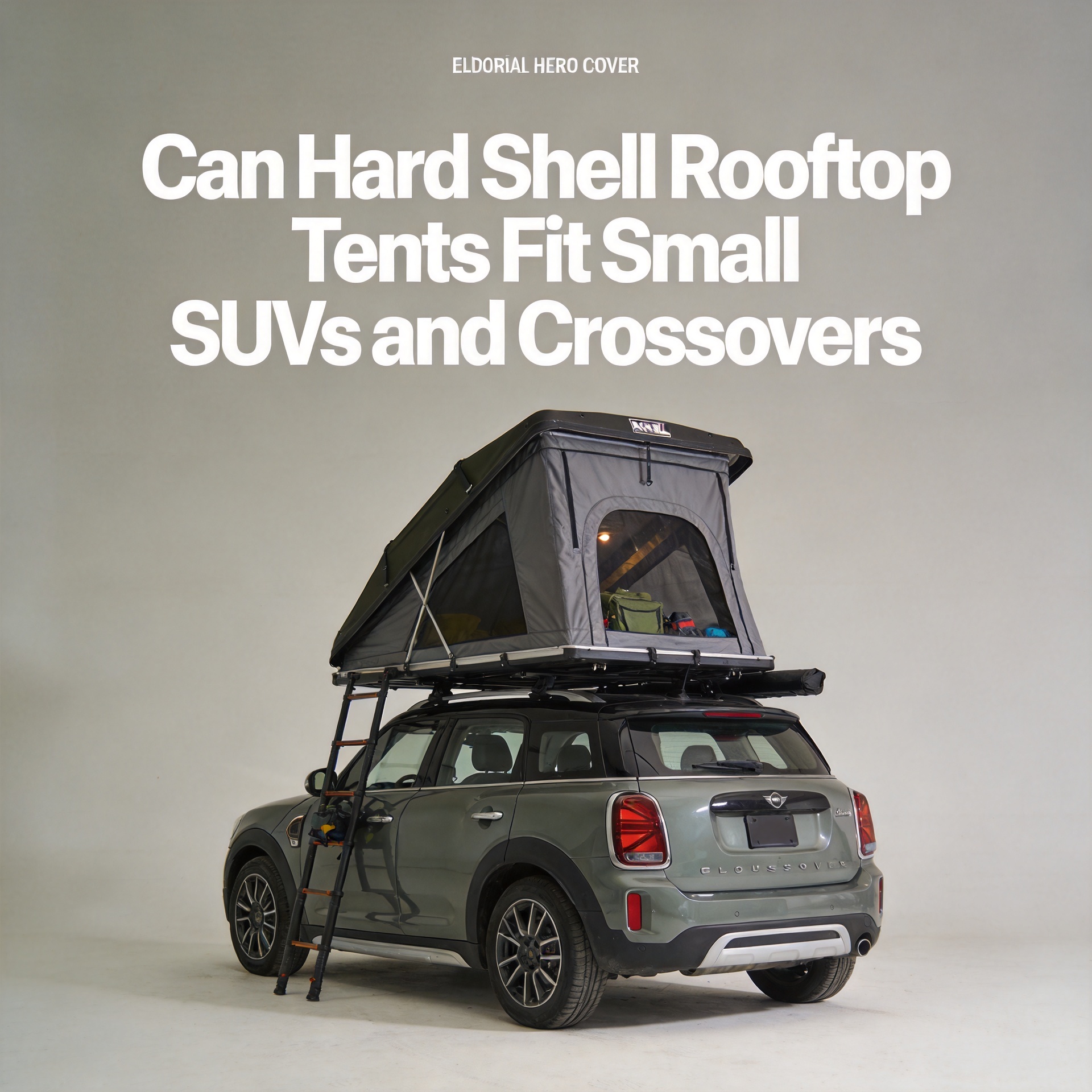
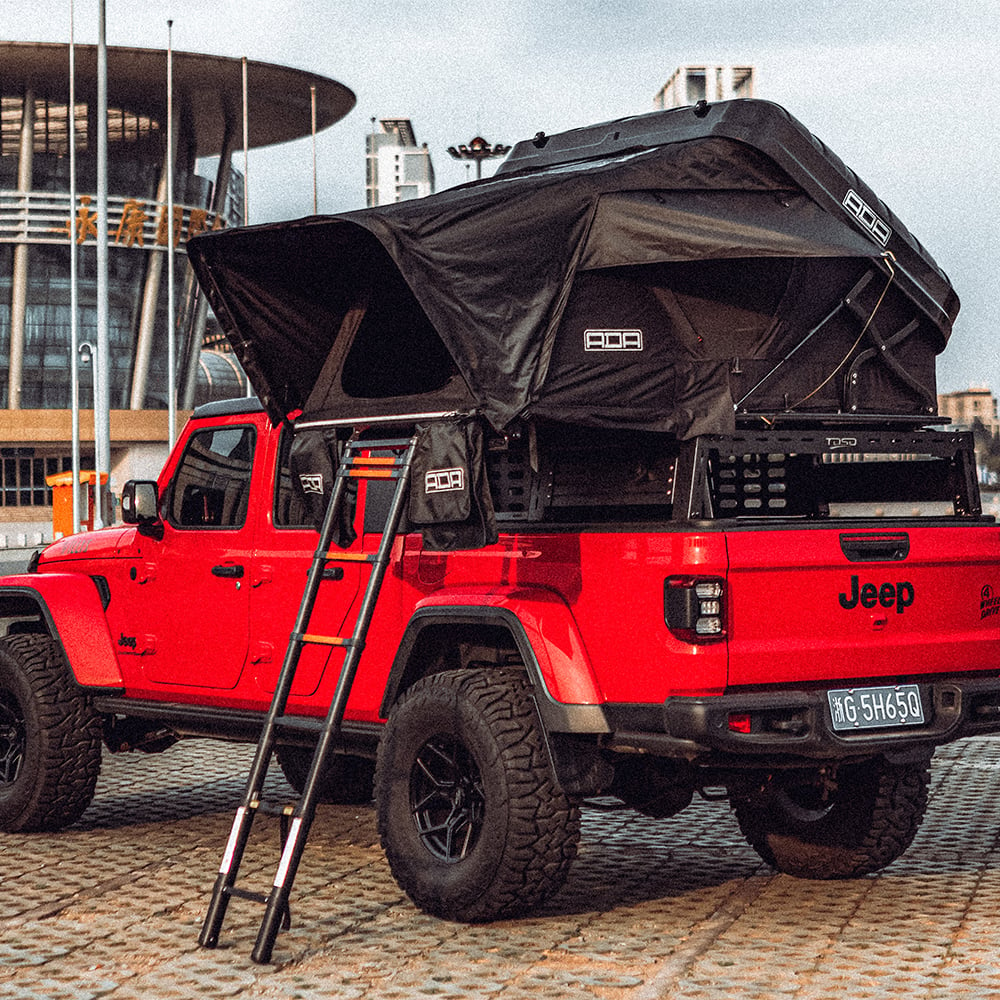
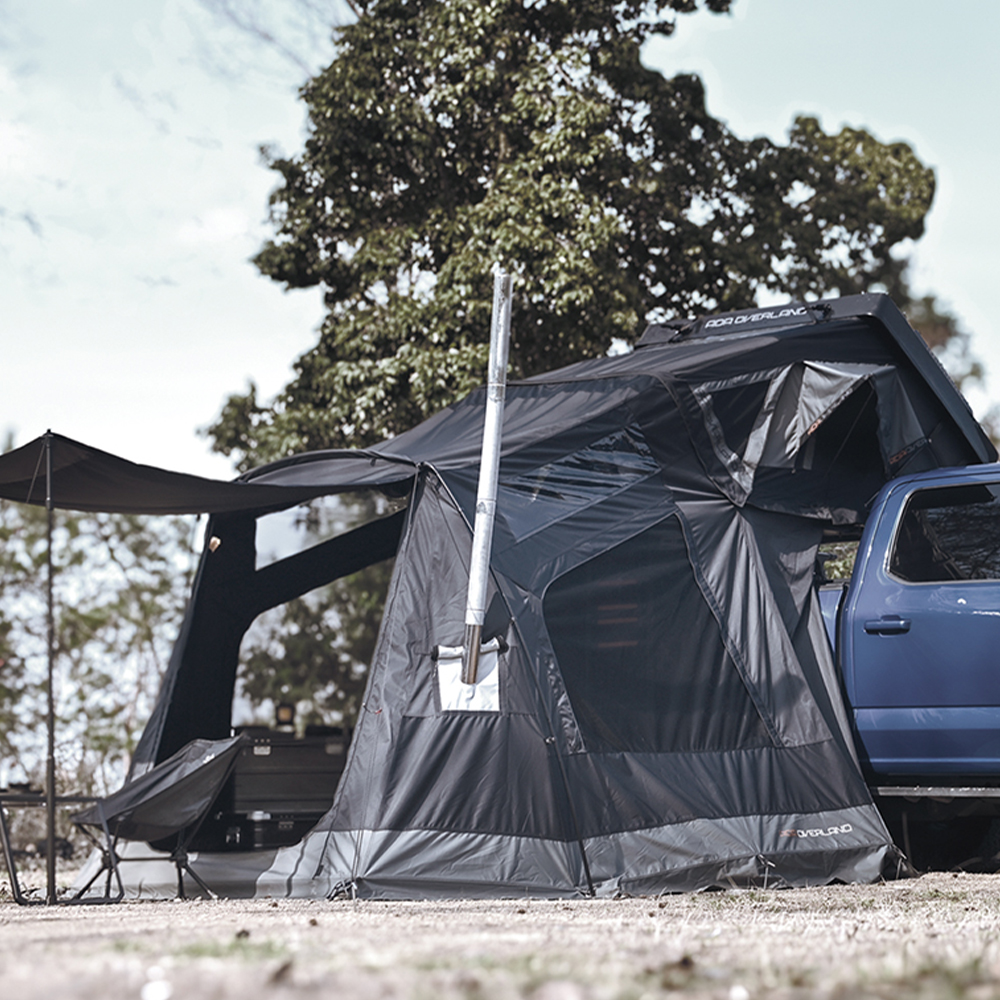
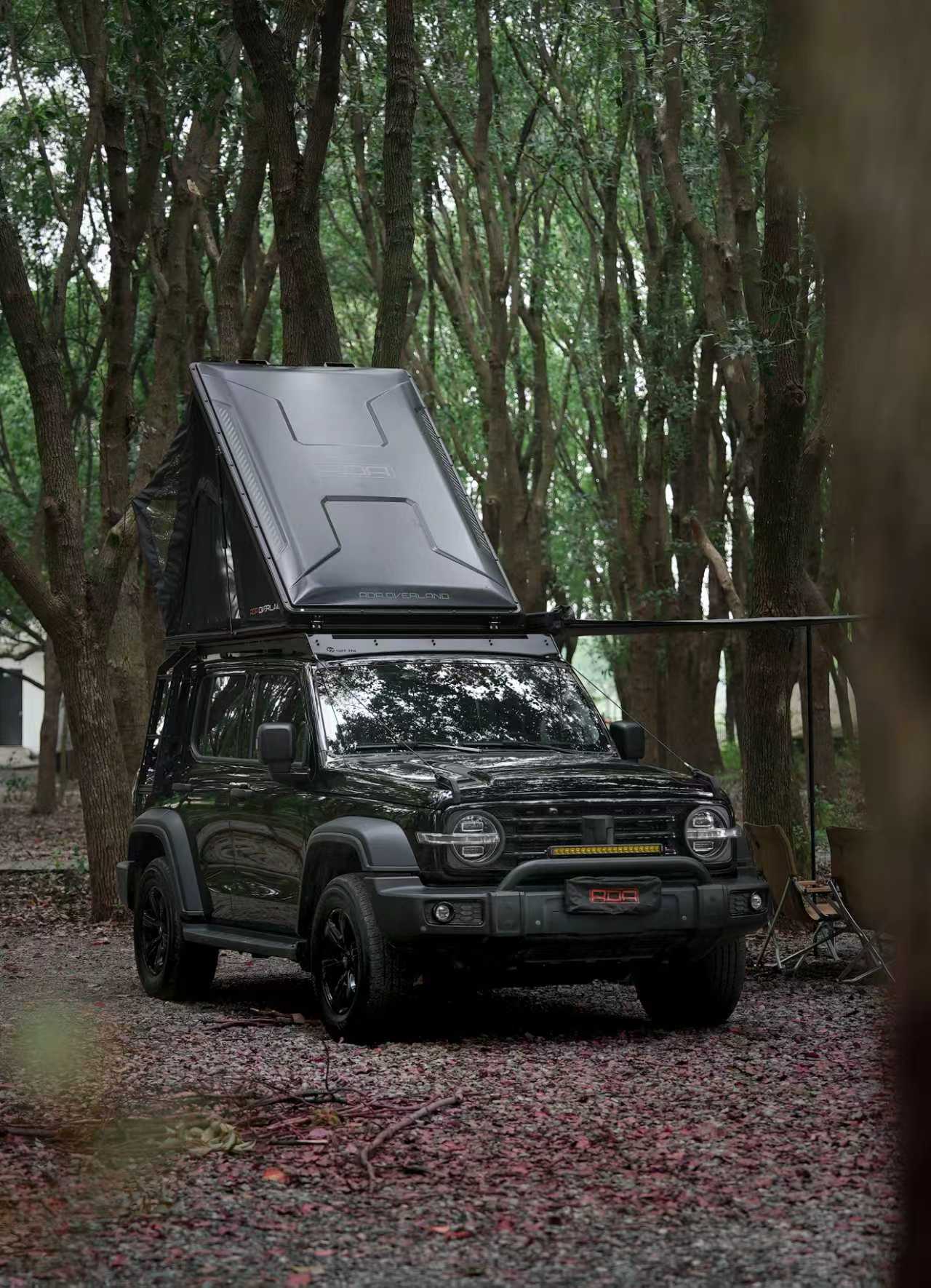
Deciding on the specific type of car tent requires thinking about how the user interacts with their vehicle. Rooftop tents are the go-to choice for solo overlanders who regularly tackle rugged, uneven terrain. They sit high above the ground, offering unobstructed views and keeping the camper safe from floodwater or sharp rocks. These models require a heavy-duty roof rack and a careful watch on the vehicle's dynamic load capacity while driving. Trunk-attached tents, which seal directly to the rear of an SUV or wagon, are favored by families. They provide abundant headroom and easy, seamless access to the car's HVAC system and cargo space. For those who prefer an airy, open feeling, side-entry awning tents attach to sliding doors, creating a spacious outdoor porch for cooking and relaxing while keeping the interior cool and shaded.
Balancing Capacity with Practical Logistics
When traveling with a group, interior volume quickly becomes a priority, but it must be balanced against the vehicle's physical limits. Roof load ratings, both static (when parked) and dynamic (while driving), are not suggestions; they are safety limits written by the manufacturer. Loads that exceed these limits can damage the vehicle's suspension or compromise handling on tight mountain curves. However, within those limits, some models now feature modular designs that allow for additional screened vestibules or gear lofts. These add-ons expand the living space without adding significant weight or wind drag. A clear understanding of the vehicle's capacity ensures the tent can accommodate the required sleeping pads and gear while still allowing the vehicle to handle safely on the road.
A frequently overlooked benefit of the car tent is how it simplifies nighttime safety and emergencies. Because the tent is connected to the car, accessing the vehicle's interior for a first aid kit, warm layers, or cooking fuel does not require stepping out into the dark. This direct passage is especially valuable in black bear or wild boar country, where moving around outside at night can be risky. The car's headlights or taillights can also be used to illuminate the tent entryway, preventing trips and falls over guylines. When a sudden storm strikes, the ability to retreat into the car's cabin while still under the shelter's cover is a practical comfort that only this design can provide.
Why Reliable Manufacturing Defines Long-Term Performance
Ultimately, the ability of a car tent to survive years of harsh UV exposure, heavy rain, and constant packing is a reflection of the manufacturing process behind it. The tensile strength of the ripstop fabric, the corrosion resistance of the aluminum joints, and the durability of the waterproof coatings all depend on precise raw material sourcing and strict quality assurance. Manufacturers who operate under internationally recognized quality management standards, such as ISO 9001, subject every batch of fabric and metal hardware to thorough stress testing before assembly. By maintaining tight oversight of the production lifecycle—from the initial fiber extrusion to the final inspection of the sealed seams—these specialized facilities guarantee that the tent performs reliably when the weather turns severe. For travelers who venture far from civilization, knowing that their shelter was built under rigorous, transparent supply chain controls provides the ultimate peace of mind, ensuring that every night on the road ends with a dry, safe, and comfortable rest.
 Hot News
2026-09-22
2026-09-15
2026-09-13
2026-09-06
2026-09-01
2026-08-24

Zhejiang Ada Outdoor Products Co.,Ltd. provides premium rooftop tents and outdoor camping gear for global B2B partners. 8+ years, 60+ patents, strict QC. Trusted by international brands. Request OEM quote today.