EN
EN


Stepping out into the wilderness for the first time is an exhilarating experience, but it can quickly turn frustrating if the gear fails to deliver. Many newcomers make the mistake of focusing on flashy gadgets, only to find themselves shivering at 2 AM because they underestimated the chill of the ground. The secret to a memorable trip does not lie in expensive jackets or high-tech survival tools; it lies in the foundational sleep system. A proper tent, a temperature-appropriate sleeping bag, and an insulated sleeping pad form an unholy trinity of comfort. When these three elements work together, the body gets the restorative rest it needs to enjoy the next day’s hike. Without them, even a beautiful mountain view cannot mask the misery of a sleepless night. Understanding how these pieces interact is the single smartest investment a beginner can make.
Choosing the Right Tent: A Balance of Protection and Practicality
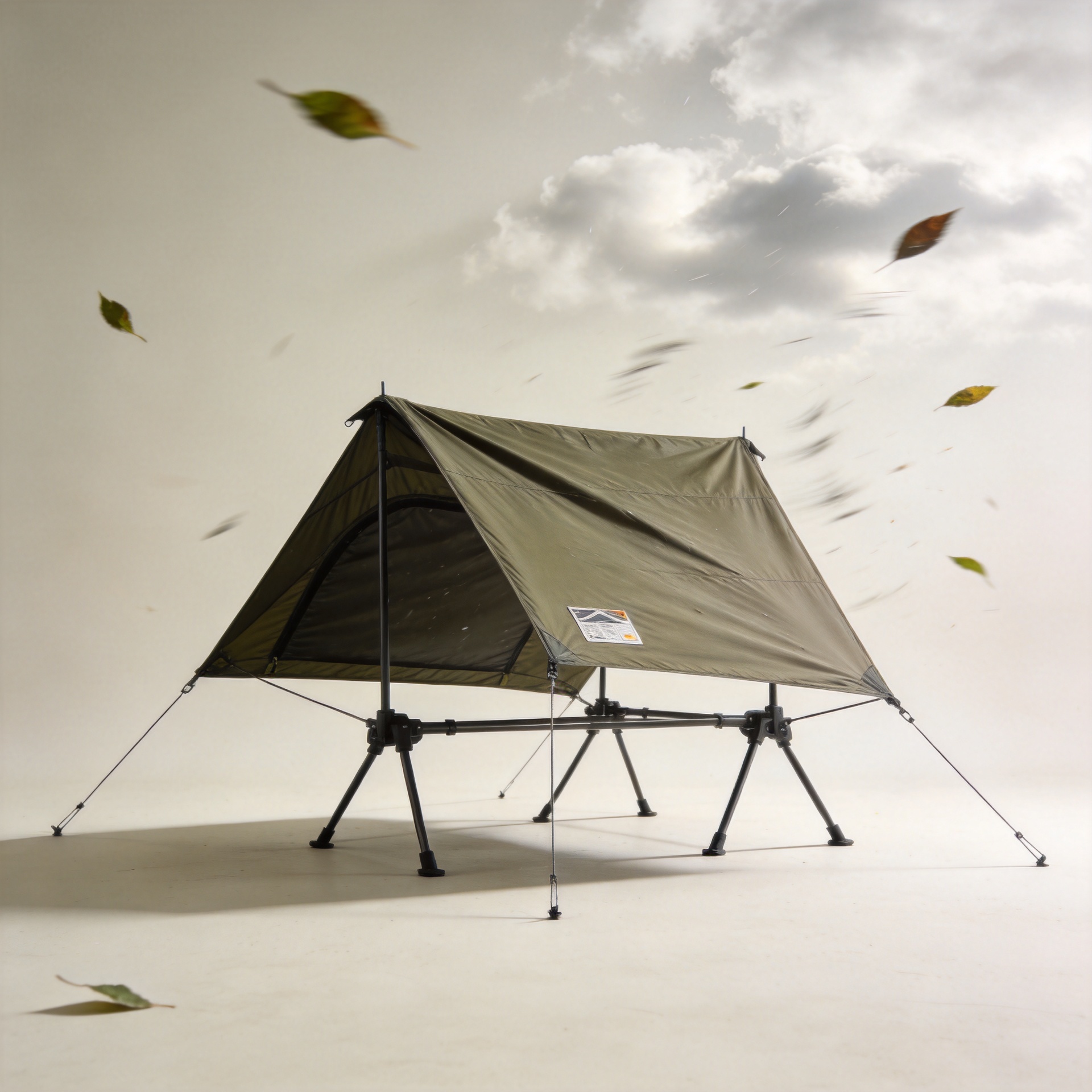
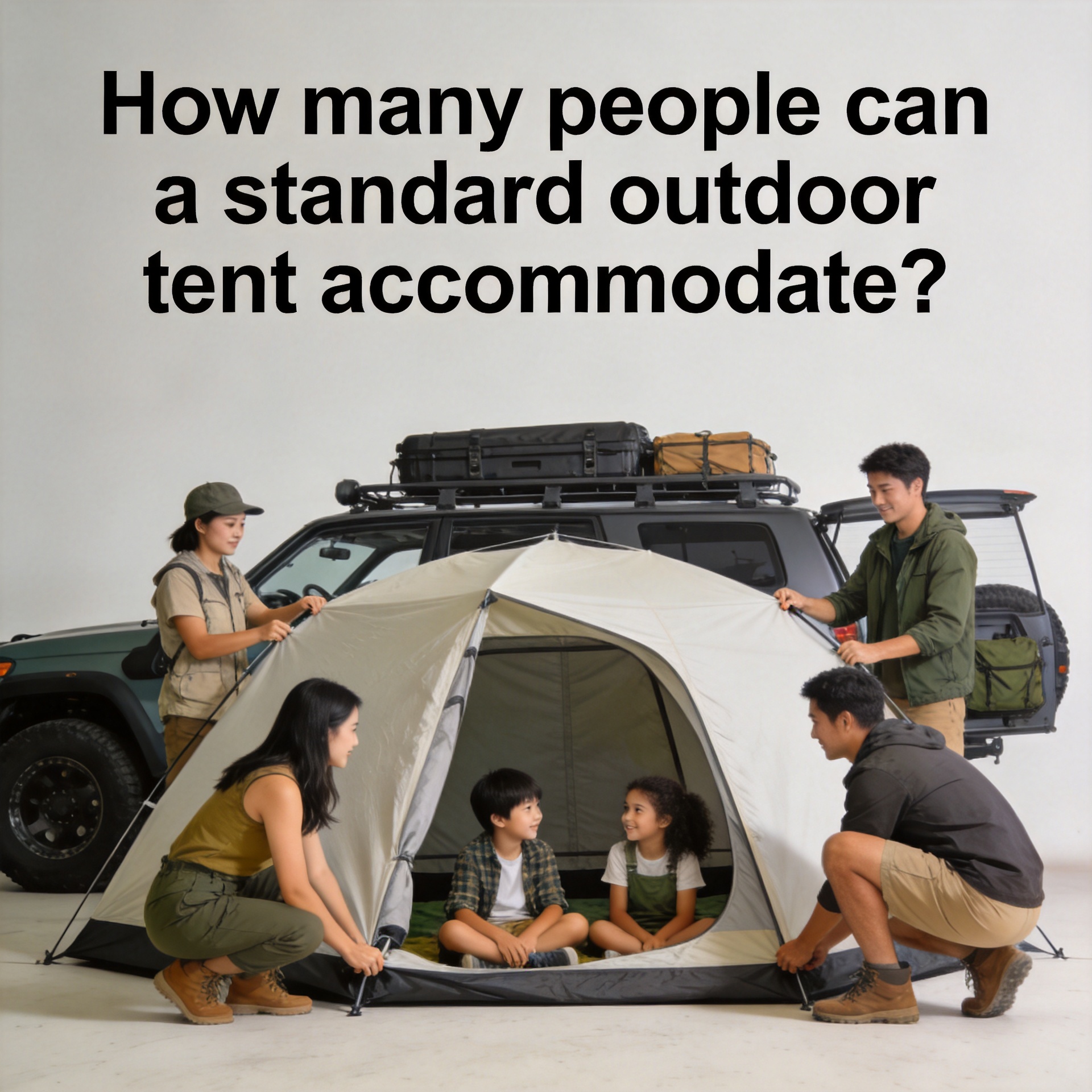
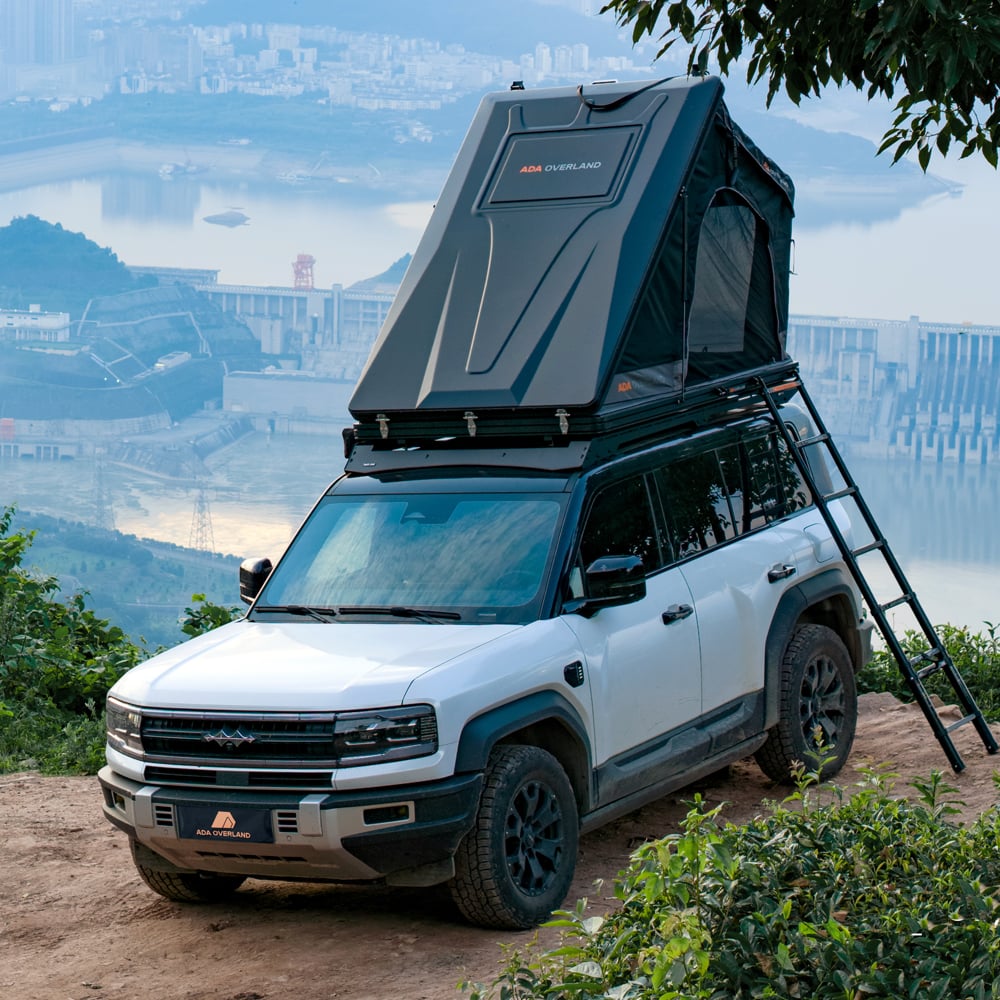
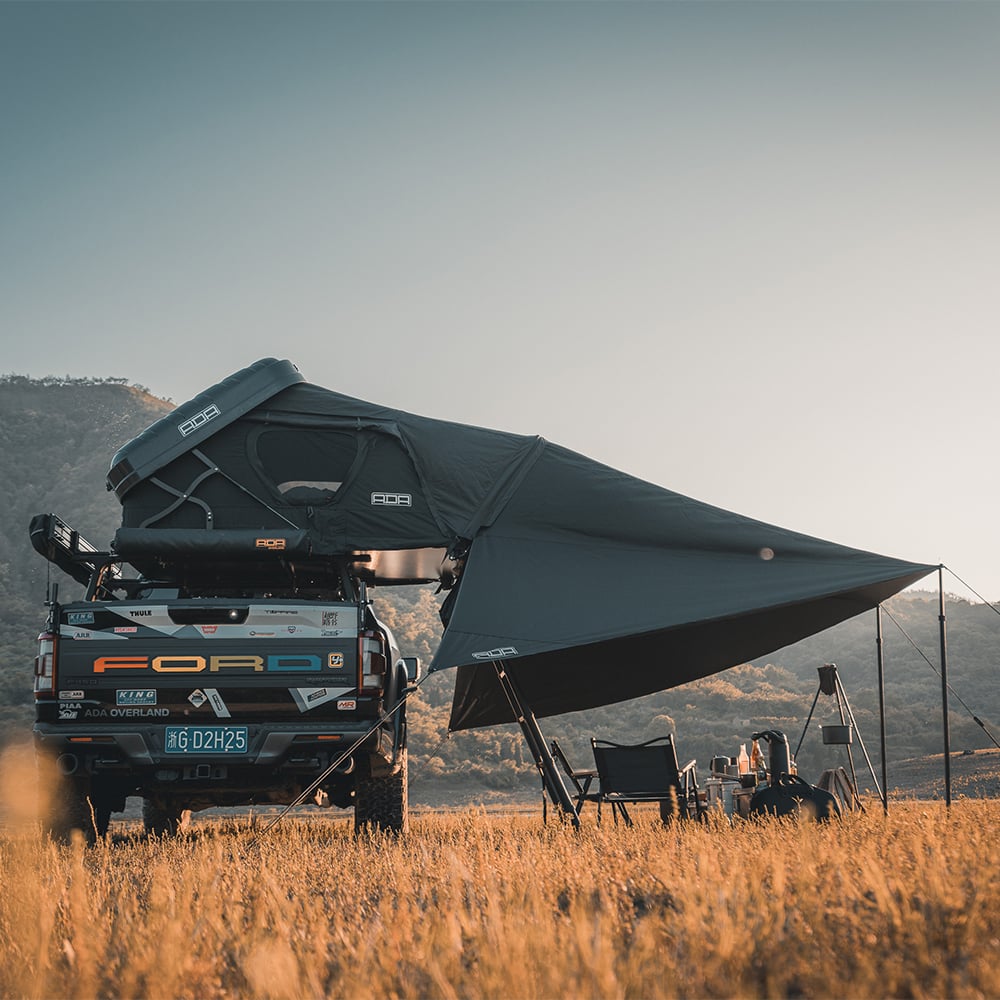
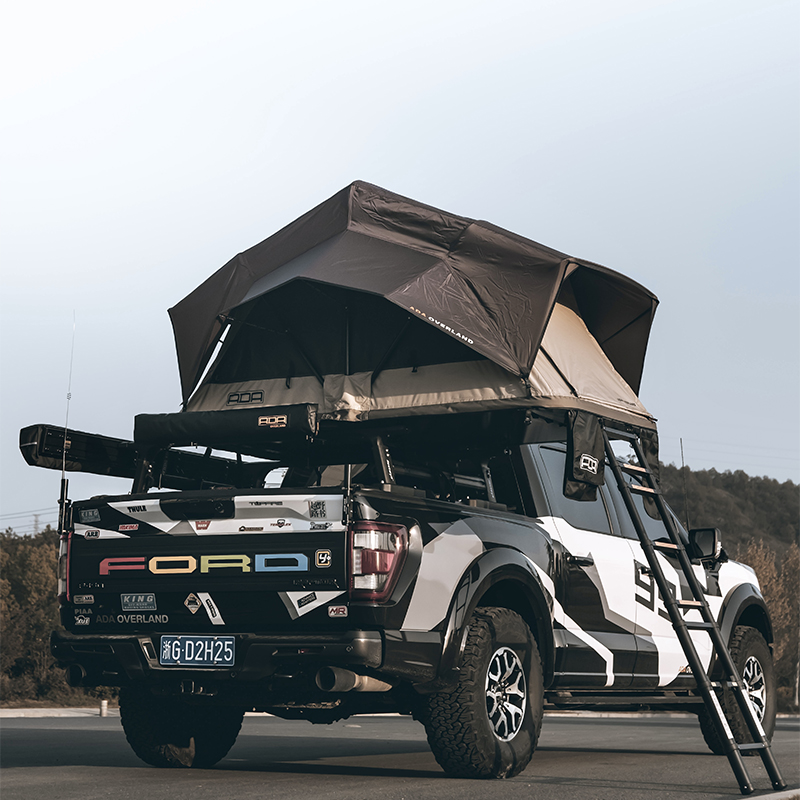
Tents are the primary shelter, but not all are created equal. For a beginner, the goal should be finding a design that offers ample protection without being unnecessarily complicated to set up. A tent with a sturdy pole structure and a waterproof rainfly rated for moderate rain is the bare minimum for most coastal or forest environments. Taped seams on the floor and the fly are non-negotiable; if water finds its way in through a tiny needle hole, the sleeping bag and pad will quickly become soaked. Freestanding dome designs are a favorite among newcomers because they can be pitched without relying on tent pegs. This comes in handy when the campsite soil is too rocky for stakes to sink in. Color-coded poles are another small but significant feature, saving precious minutes of frustration when the light begins to fade. For car campers, weight is less of an issue, so a larger tent with standing room allows for a much more comfortable living experience. However, for those planning to carry their gear on their back, keeping the packed weight under 2.5 kilograms per person makes a massive difference to the enjoyment of the trek.
Decoding Sleeping Bag Ratings for a Warm Night
When it comes to sleeping bags, the temperature rating is the absolute most critical number to examine. Beginners often look at the "extreme" rating, which is a dangerous mistake. The comfort rating is the only one that truly matters for a good night's sleep. This number represents the temperature at which an average sleeper can rest without shivering. A smart rule of thumb is to select a bag with a comfort rating that is at least five degrees Celsius lower than the coldest temperature forecasted for the trip. If the weather app says the mountain will drop to 5°C at night, a bag rated for 0°C comfort is the wise choice. The insulation material inside also dictates performance. Down feathers provide an incredible warmth-to-weight ratio, but they lose almost all their insulating power when they get wet. Synthetic fills, while slightly heavier, will continue to trap heat even in damp and humid conditions. For a first-time camper heading into unpredictable weather, synthetic insulation is the safer bet. Adding a thin sleeping bag liner to the setup is another pro-level trick; it boosts warmth significantly and keeps the inside of the bag clean, dramatically extending its lifespan.
Perhaps the most common oversight made by rookies is underestimating the sleeping pad. Many assume that a thin foam mat is enough just to provide a soft surface. However, the primary function of a sleeping pad is not cushioning—it is insulation. The ground acts as a massive heat sink, constantly drawing warmth away from the body. The key metric to look for here is the R-value, which measures thermal resistance. An R-value below 2 is only suitable for warm summer nights. For three-season camping, where temperatures can swing wildly, a pad with an R-value between 4 and 6 provides the critical barrier needed to keep the back warm. Thick inflatable air pads may be comfortable, but without internal insulation, they conduct cold straight through the air chamber. Closed-cell foam pads are highly reliable and durable, though they cannot be packed as tightly. Self-inflating pads hit the perfect sweet spot for beginners, offering a blend of comfort, moderate weight, and reliable insulation that allows for deep, uninterrupted rest.
Lighting the Night and Igniting the Fire
Once the sun dips below the horizon, the campsite transforms into a landscape of shadows and unseen trip hazards. A good headlamp is arguably the most essential piece of daily gear. Having a red-light mode on the headlamp is a feature that beginners quickly learn to appreciate; it allows for reading maps or locating the camp stove without killing the natural night vision. It is also wise to carry a secondary light source, such as a compact solar lantern, in case the headlamp battery dies unexpectedly. Fire-starting is another skill that adds immense comfort. A simple butane lighter is far easier for a newcomer than striking a ferro rod. However, the weather can turn damp in an instant. Preparing a small fire kit with waterproof matches and a few paraffin-coated cotton balls ensures that a flame can be produced even after an unexpected rain shower. This simple redundancy in lighting and fire preparation keeps the campsite safe, warm, and functional regardless of the conditions.
Boiling Water and Preparing Meals Safely
Cooking outdoors brings a unique sense of satisfaction, but the type of stove used can define the experience. For beginners, a classic canister stove that screws onto an isobutane-propane fuel mix is the hands-down easiest option. It requires no priming, lights instantly with a click, and offers fine control over the flame. Liquid fuel stoves, while more efficient in freezing temperatures, demand a complicated pressurization process that adds unnecessary stress to a first trip. An often overlooked safety rule is setting the stove on a completely flat, stable, and non-flammable surface. Even if the stove is just a few inches above the dirt, it prevents spilled fuel from soaking into the earth or igniting nearby dry grass. Furthermore, cooking inside a tent, even with the vents open, is an absolute taboo; carbon monoxide poisoning is a silent, invisible threat that accumulates quickly in enclosed spaces.
Safety preparation is usually at the bottom of a beginner's packing list, yet it is arguably the most important category. A small, lightweight first aid kit can turn a minor issue into a non-event. The goal is not to carry a surgical theater, but to address the most likely injuries: blisters, minor cuts, and sprains. High-quality adhesive bandages, blister pads, and antiseptic wipes are worth their weight in gold. Tweezers are incredibly useful for removing splinters or ticks. Above all, an emergency space blanket should be included; it weighs mere ounces but can prevent hypothermia if a hiker gets caught out after dark. Having these supplies organized in a water-resistant pouch means that help is never more than an arm's reach away.
Navigating with Confidence and Calling for Help
In an age of smartphones, many first-time adventurers assume they will always have a connection to the outside world. This is a risky assumption. Trail maps and a basic compass remain essential tools that do not rely on battery life or cellular towers. In areas where GPS signals are unreliable or phones are dead, a physical map provides a sense of direction that apps simply cannot replicate. For truly remote areas, carrying a Personal Locator Beacon is the ultimate insurance policy. These devices transmit a distress signal directly to search and rescue satellites via the 406 MHz frequency. Real-world search and rescue statistics consistently show that the lack of these fundamental navigation tools is a primary factor in backcountry emergencies.
Why Quality Manufacturing Ensures Gear Reliability in the Field
Ultimately, the reliability of camping gear—whether it is the waterproof zipper on a tent or the valve on a sleeping pad—depends heavily on the quality of the manufacturing process. Responsible outdoor equipment suppliers who adhere to internationally recognized quality management systems, such as ISO 9001, ensure that every batch of fabrics, zippers, and adhesives undergoes rigorous stress testing before leaving the factory. By maintaining tight oversight over the raw material sourcing and final assembly, these manufacturers guarantee that their products will perform exactly as expected when confronted with wind, rain, or freezing temperatures. For beginners who rely heavily on their gear to ensure safety, sourcing equipment from a manufacturer with a transparent and controlled supply chain provides the peace of mind needed to fully embrace the wilderness experience.
 Hot News
2026-09-15
2026-09-13
2026-09-06
2026-09-01
2026-08-24
2026-08-21

Zhejiang Ada Outdoor Products Co.,Ltd. provides premium rooftop tents and outdoor camping gear for global B2B partners. 8+ years, 60+ patents, strict QC. Trusted by international brands. Request OEM quote today.