EN


What are the advantages of a car tent for weekend camping?
A car tent can make a short camping trip feel much less like a packing exercise and more like a quick change of scenery. For a Friday-night departure or a one- or two-night stay, the appeal is simple: your transport and your shelter work together. Instead of carrying every piece of gear from a parking spot to a pitch, you can often build your sleeping space around the vehicle you already brought.
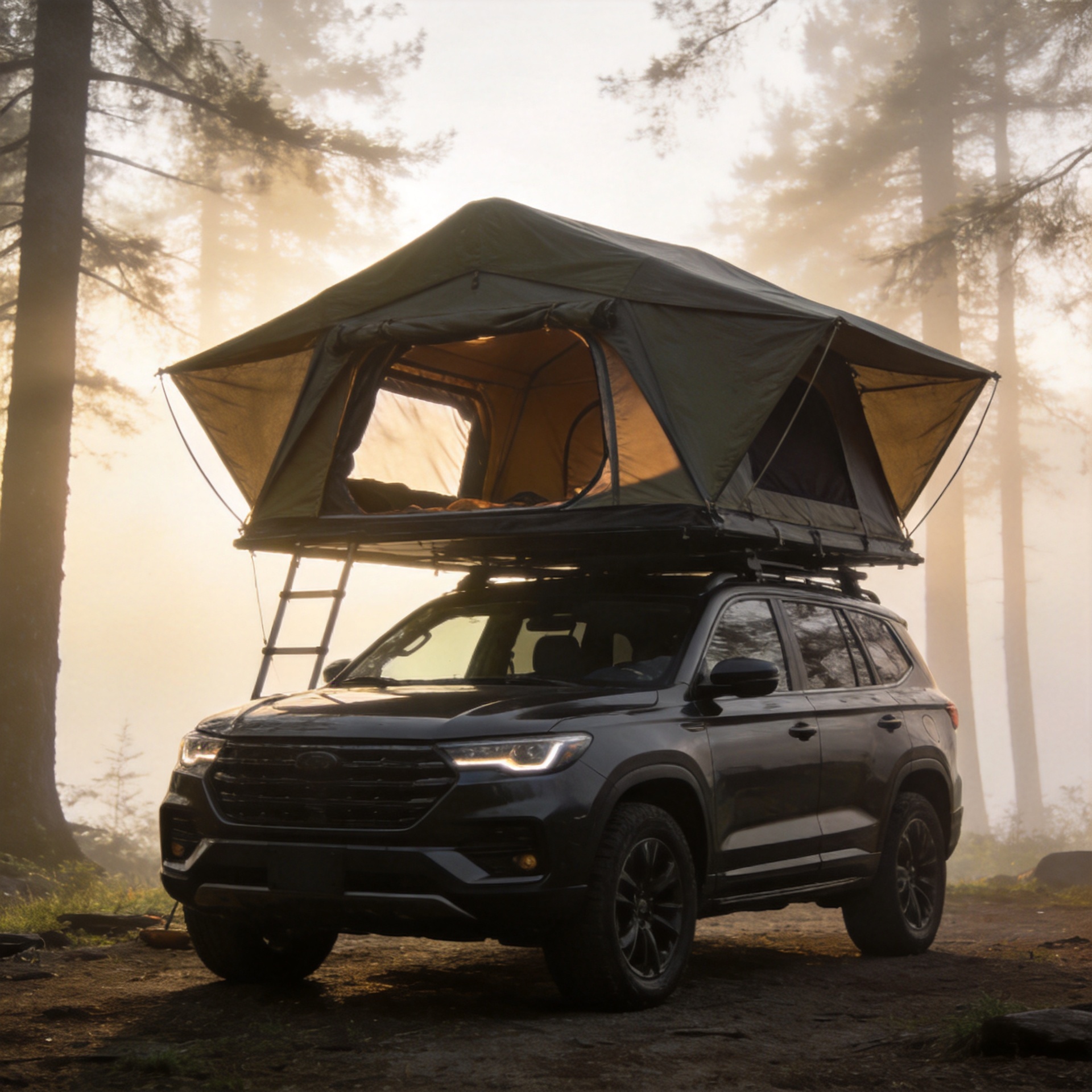
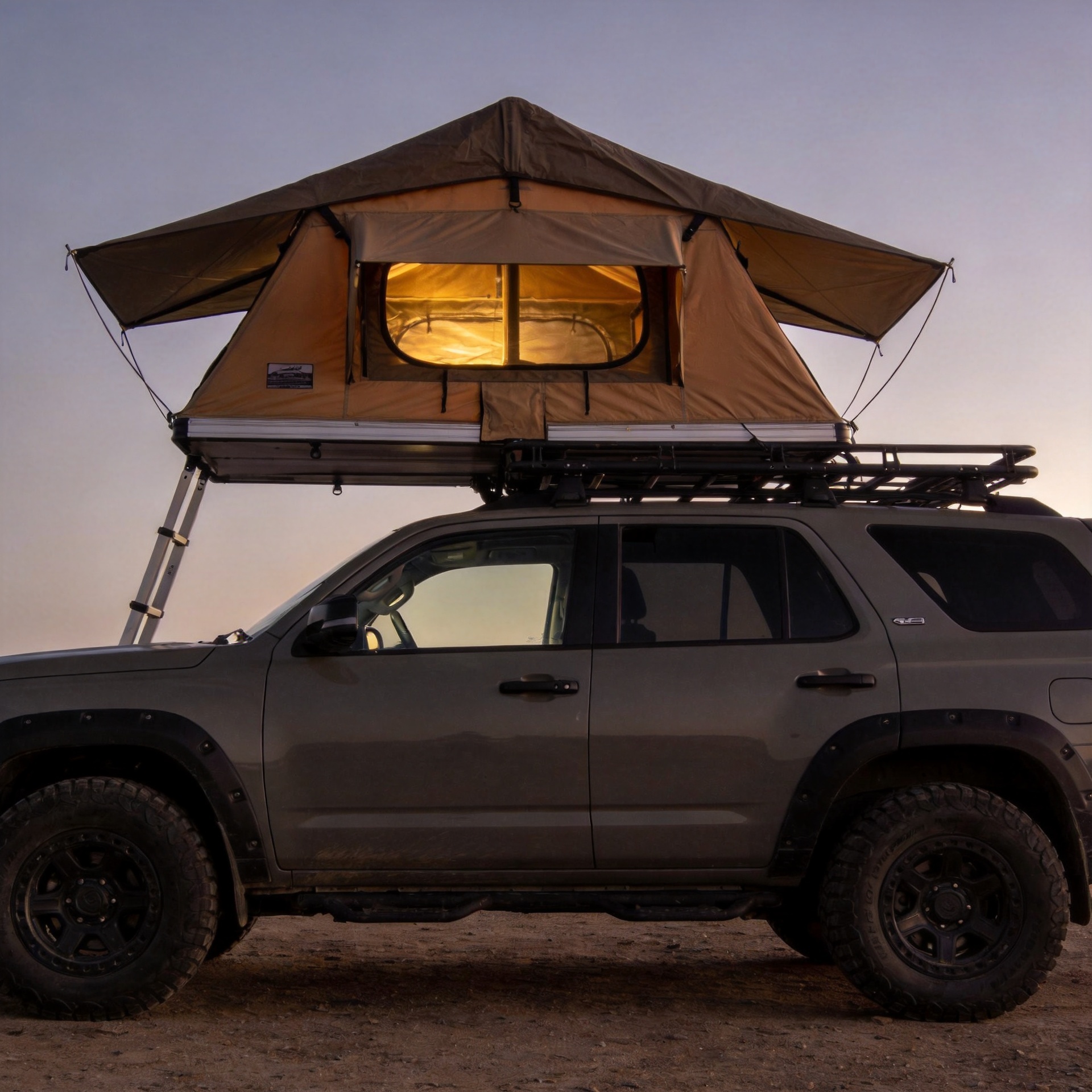
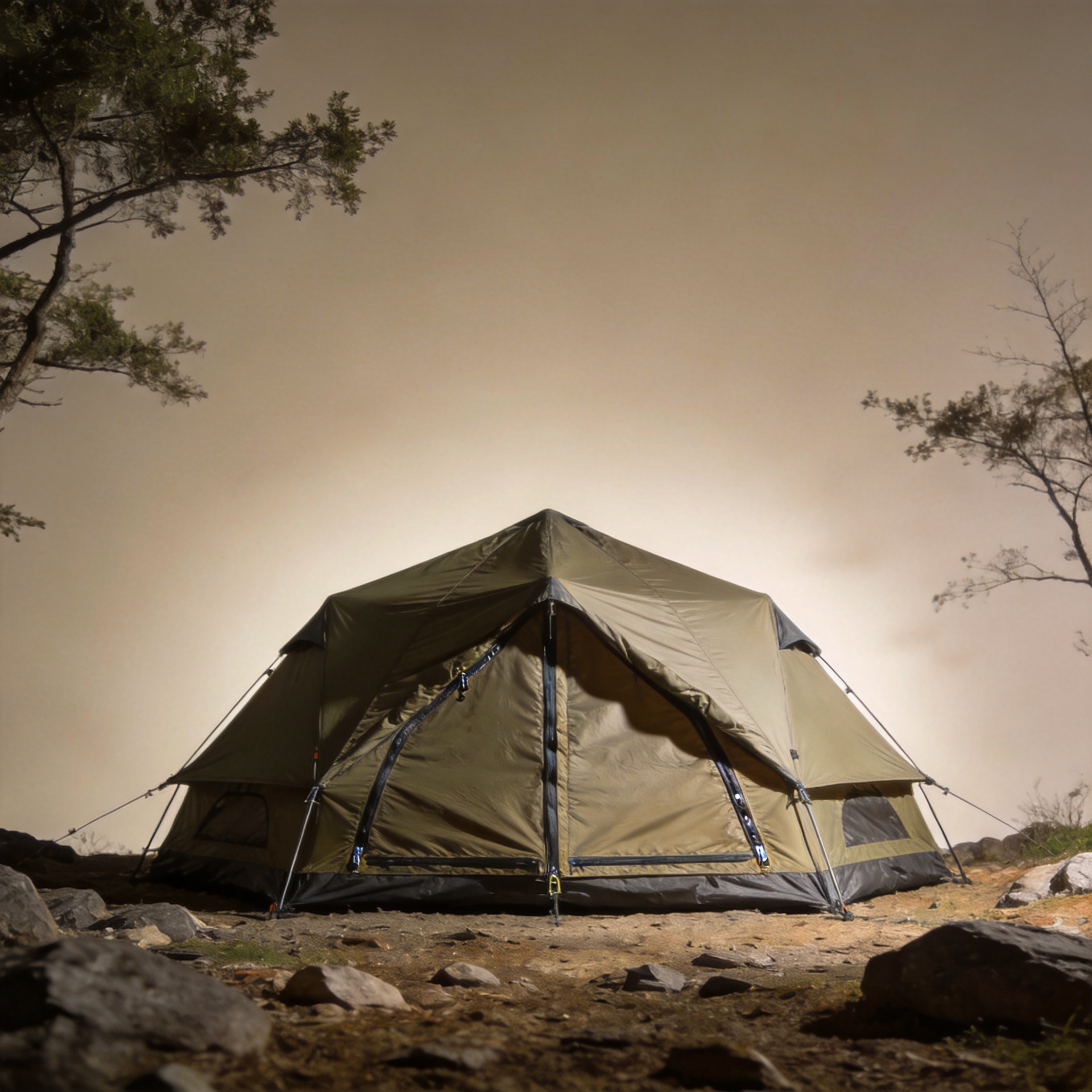
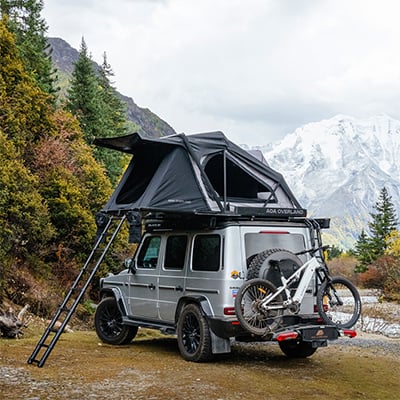
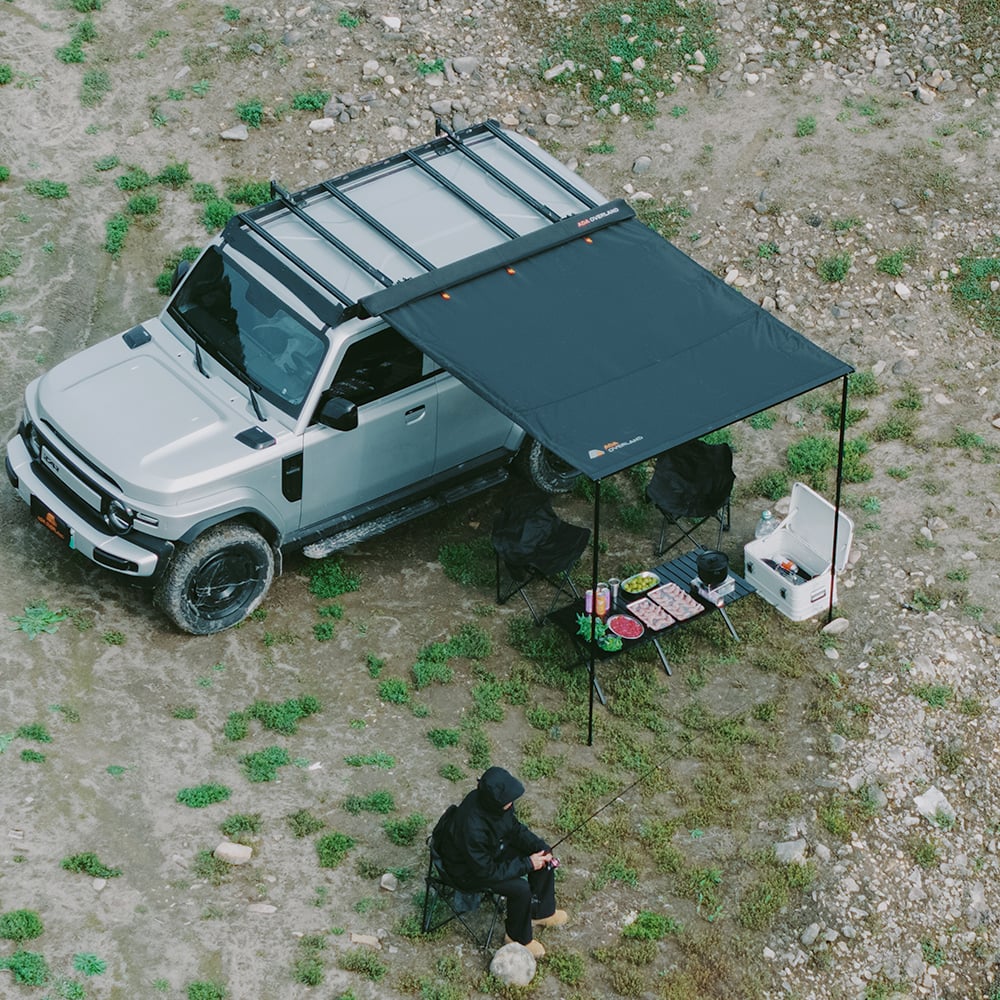
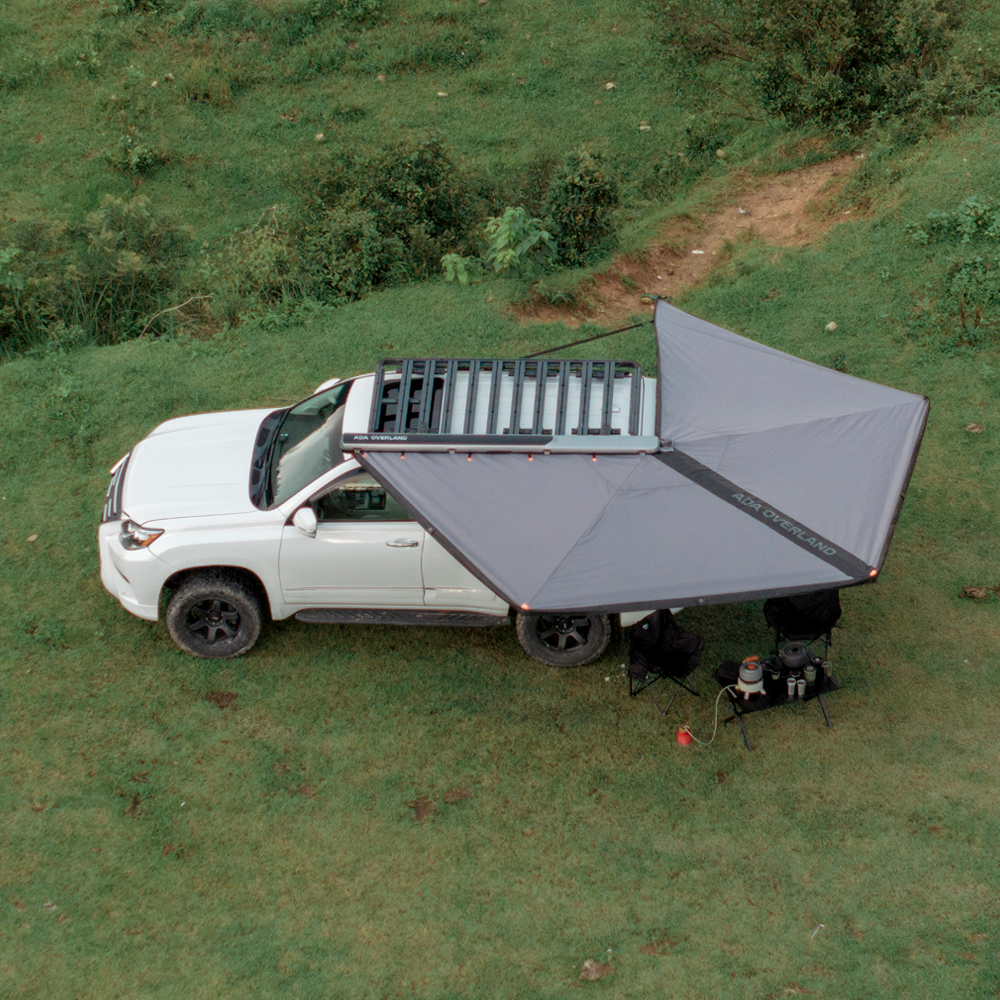
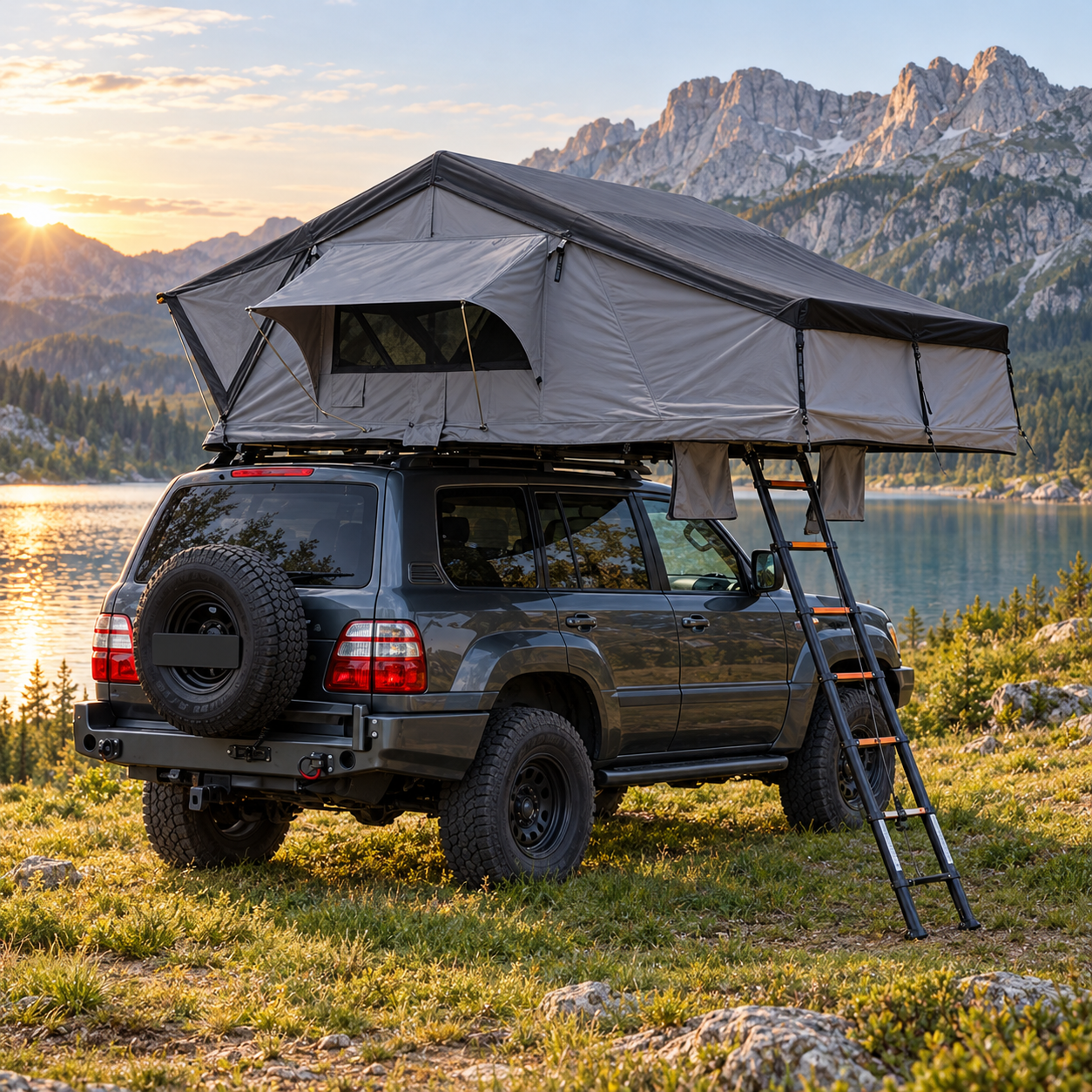
The term car tent covers more than one design. A rooftop model sleeps above the vehicle on a compatible rack, while a vehicle-attached tent connects to an SUV, hatch, or tailgate and creates ground-level space. Both can suit weekend camping, but their advantages show up in different ways. The useful question is not which style is superior; it is which one matches your vehicle, campsite habits, and setup tolerance.
1. A car tent can shorten the arrival-to-rest routine
After a long drive, even a straightforward ground tent can feel like a project: choose level ground, unpack poles, stake corners, move bedding, and organize bags before dark. A well-matched car tent brings some of that routine closer to the vehicle. In a rooftop configuration, bedding may stay in place when the tent is closed. In a vehicle-attached configuration, the car can become part of the shelter boundary, which reduces the distance between gear storage and sleeping space.
That convenience matters most when you camp often enough to value repetition. It does not mean every setup is instant; uneven ground, wind, and a first-time installation still take attention. Yet a familiar sequence can make a late arrival more manageable than rebuilding a campsite from loose parts each weekend.
2. It keeps everyday gear close and organized
A car tent turns the cargo area into a nearby gear room. Jackets, cooking boxes, water, and spare layers can stay within reach rather than being scattered around the tent. For a couple, a parent with children, or anyone trying to leave early on Sunday, that compact workflow can reduce the small frustrations that make a short trip feel rushed.
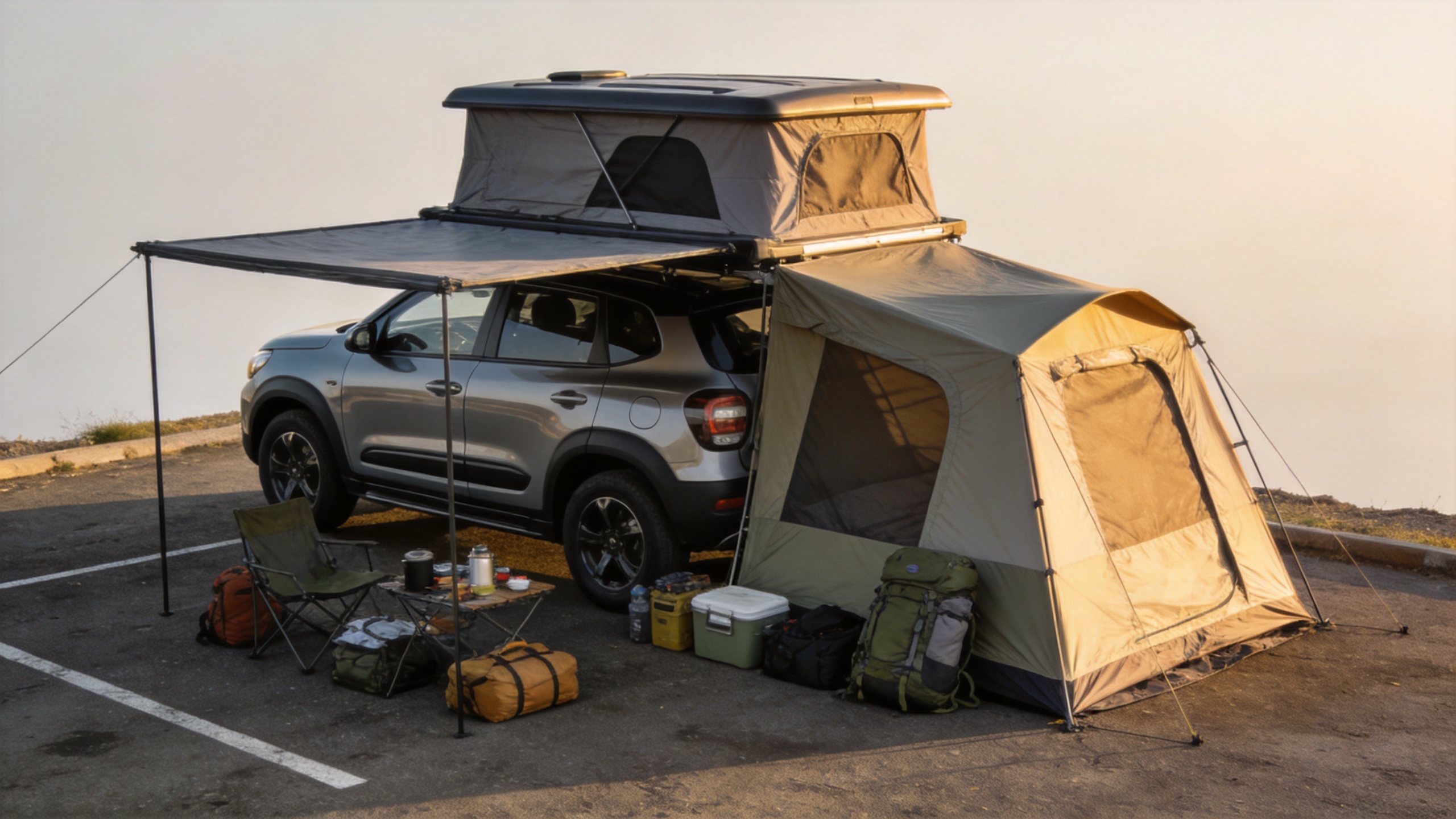
Vehicle-attached designs are particularly useful when you want a sheltered transition zone for changing shoes or sorting damp items. Rooftop designs keep the sleeping area separate from muddy boots and coolers below. Neither arrangement removes the need for tidy packing, but both make it easier to assign a place for commonly used items.
3. Elevated or connected shelter can improve campsite flexibility
Many campsites are not perfectly flat. A rooftop car tent can raise sleepers above small stones, surface moisture, and minor unevenness that can make a ground pad uncomfortable. A vehicle-attached tent can be valuable where a conventional tent footprint is awkward but there is room beside the car. This flexibility is one reason vehicle-based camping appeals to people who like to explore rather than reserve the same type of pitch every time.
There is an important limit: an elevated tent does not make any site suitable. You still need stable parking, enough room to deploy the ladder or fabric, and a campsite that permits the setup. Check local rules and avoid forcing a vehicle into an unlevel or unsafe position just to use a car tent.
4. It can make wet-ground camping less unpleasant
Rain changes the mood of a weekend quickly. With a rooftop car tent, the sleeping platform is above wet ground, so surface water and muddy tent floors are less of a concern. With a vehicle-attached shelter, the rear of the vehicle may provide a useful covered access point for gear. These are practical advantages, not a promise of dry camping in every storm: fabric condition, seam care, ventilation, and site drainage still matter.
Ventilation deserves special attention. Moist air from breathing and damp clothing can condense inside many tents, especially on cool or humid nights. Use the available vents as conditions allow, keep wet gear separate from bedding where possible, and air out the tent after the trip. A car tent is easier to enjoy when its weather routine is part of the plan rather than an afterthought.
5. A car tent supports a more comfortable weekend rhythm
The main benefit is not simply sleeping above or beside a vehicle. It is the ability to arrive, settle in, cook, sleep, and pack up with fewer transitions. A car tent can give weekend campers a clearer separation between the sleeping area, living space, and gear storage. That can be especially welcome when the forecast changes or when you want to move camp after breakfast without losing half the morning to packing.
For families, an annex or connected shelter may offer a place to sit out a brief shower. For two travelers, the appeal may be a less cluttered sleep space. For solo campers, it may be the confidence that a familiar setup process is waiting at the end of the drive. The right advantage depends on how you actually camp.
6. It may encourage more spontaneous local trips
When shelter is integrated with your travel routine, a nearby overnight trip can feel easier to attempt. A car tent does not replace trip planning, but it can reduce the mental barrier of gathering bulky equipment at the last minute. Keep a small camping bin ready, inspect the tent before departure, and you can turn a free weekend into a practical overnight escape without needing a large expedition checklist.
This is also where car tents differ from large family tents. Their value is often in repeatability: the same mounting points, storage locations, and pack-down order can make successive trips smoother. If you camp only once a year, that advantage may matter less. If you take frequent weekend trips, it can add up.
What to check before choosing a car tent
Convenience should not override compatibility. For a rooftop car tent, confirm the vehicle manufacturer’s roof-load guidance, the rack or crossbar rating, mounting compatibility, and the tent’s packed weight. Dynamic roof load refers to what the vehicle can carry while moving, so it is a critical figure to verify rather than estimate. Follow the instructions supplied for your vehicle, rack, and tent, and seek qualified fitting help if the requirements are unclear.
- Vehicle fit: Confirm the roof, rack, crossbar spacing, and mounting system are compatible.
- Sleeping needs: Consider occupant space, ladder access, and whether you need a changing or storage area.
- Setup practice: Open and close the car tent at home before the first trip.
- Weather care: Check seams, zippers, vents, and drying time after wet use.
- Campsite rules: Verify that the site allows your vehicle and chosen tent arrangement.
The practical takeaway
A car tent can be a strong fit for weekend camping because it connects shelter, transport, and gear storage in one routine. Its advantages are fastest setup after practice, nearby organization, flexible sleeping arrangements, and a more comfortable response to damp or uneven ground. Still, the right model is the one that fits your vehicle safely and suits the way you camp. Start with compatibility, practice the setup before leaving, and treat ventilation and weather care as part of every trip.

 Hot News