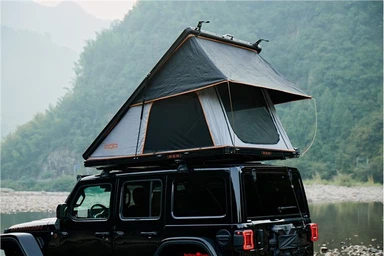
Wind resistance test standard for rooftop tents
Oct 24, 2024

The wind resistance of rooftop tents is an important indicator to measure their safety performance. The following is a detailed analysis of the wind resistance test standard for rooftop tents based on the search results provided.
1. Wind resistance test method
The wind resistance test is usually carried out in a laboratory environment. By simulating wind load conditions, a uniform wind load is applied to the specimen to evaluate the deformation of the specimen and the overall performance such as connection and fixation. This test is generally divided into two methods: static wind load test and dynamic wind load test. Dynamic wind load test can better simulate the actual wind conditions of the system. Therefore, before the static wind load test, a dynamic wind load test is usually carried out to verify the normal wind resistance of the system.
2. Related test standards
For the wind resistance test of rooftop tents, the following standards can be referred to:
- GB/T33272-2016: Standard for fabrics for awnings and camping tents, although not specifically for rooftop tents, can be used as a reference.
- GB/T31710.3-2015: Specification for the Construction and Service of Recreational Campsites Part 3: Tent Campsites, provides basic requirements for the construction and service of tent campsites, and indirectly reflects the wind resistance of tents.
- QB/T5582-2021: Standard for polyvinyl chloride artificial leather for tents, applicable to the selection and evaluation of tent materials.
- DIN 18204-101-2018: Textile fabrics and plastic film shell components Part 101: Tents and halls meet the requirements of DIN 18204-1, providing technical requirements for tents in Europe.
- DB31/T1069-2017: Specification for the Construction and Service of Commercial Tent Campsites, provides specific requirements for the construction and service of commercial tent campsites.
3. Test conditions and results
When conducting wind resistance tests, it is necessary to select a suitable test site to ensure that there are no obstructions and possible interference factors. Factors such as the structure, material and design characteristics of the tent should be taken into account during the test. It is essential to use professional instruments and equipment to measure wind speed and wind pressure. The test results will detail the deformation of the tent at different wind speeds, whether it meets the relevant standards, and whether the wind resistance at extreme wind speeds meets or exceeds the standard requirements.
In summary, the wind resistance test standards for rooftop tents involve many factors, including test methods, relevant standards, test conditions, and result analysis. When choosing a rooftop tent, users can refer to these standards and test results to ensure that the selected tent can meet their safety needs.