EN
EN
Kako 270 stupnjeva marša poboljšati vanjskog kampiranja iskustvo?
Prvi put kad postavite 270 stupnjeva marša na kampu, nešto se mijenja. Prestanite misliti na sjenku kao na usku traku uz jednu stranu vozila i počnite misliti na nju kao na sobu. Taj pomak, od dodatka do infrastrukture, vjerojatno je najiskreniji način opisivanja toga što ovaj stil maršale zapravo čini za kampiranje. Ako ste kampirali sa standardnim jednoslojnim markizom i pitali se ima li poboljšanje smisla, odgovor ovisi manje o samom markizi, a više o tome kako zapravo koristite prostor za kamp.
Što je drugačije od 270 stupnjeva?
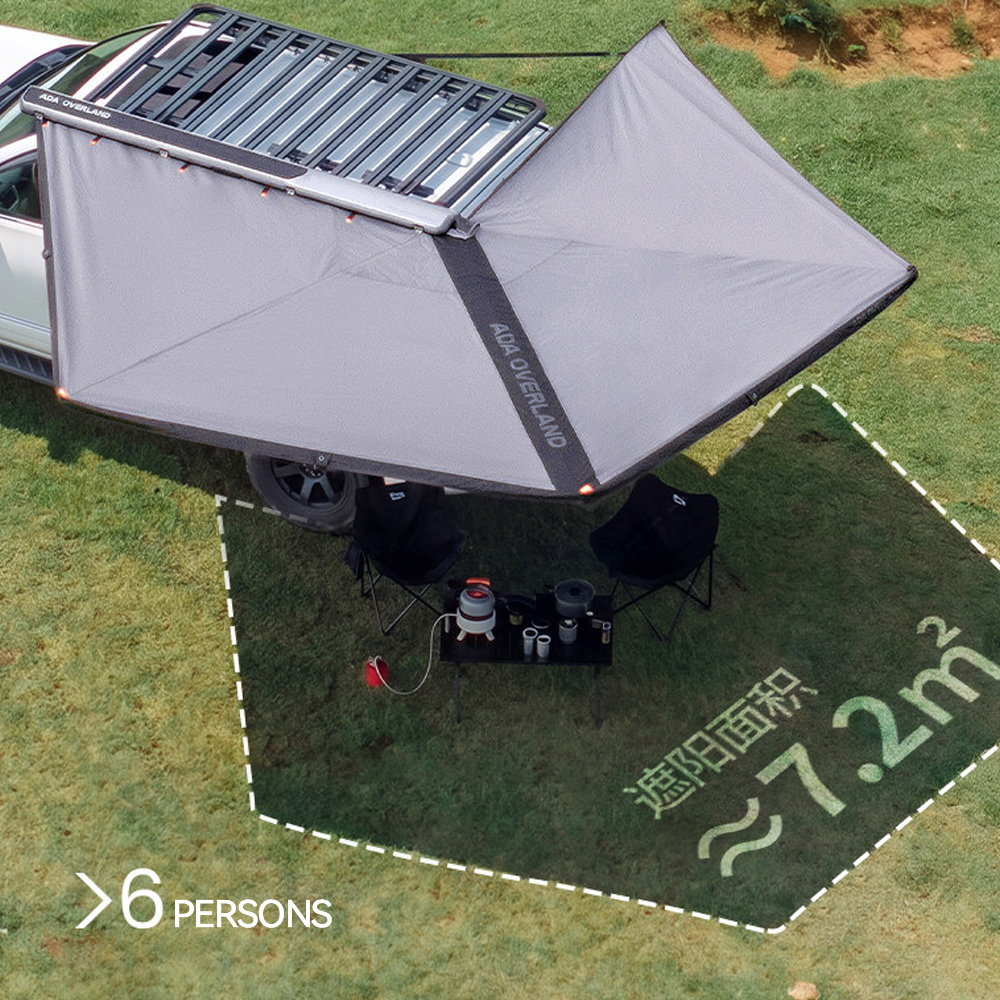
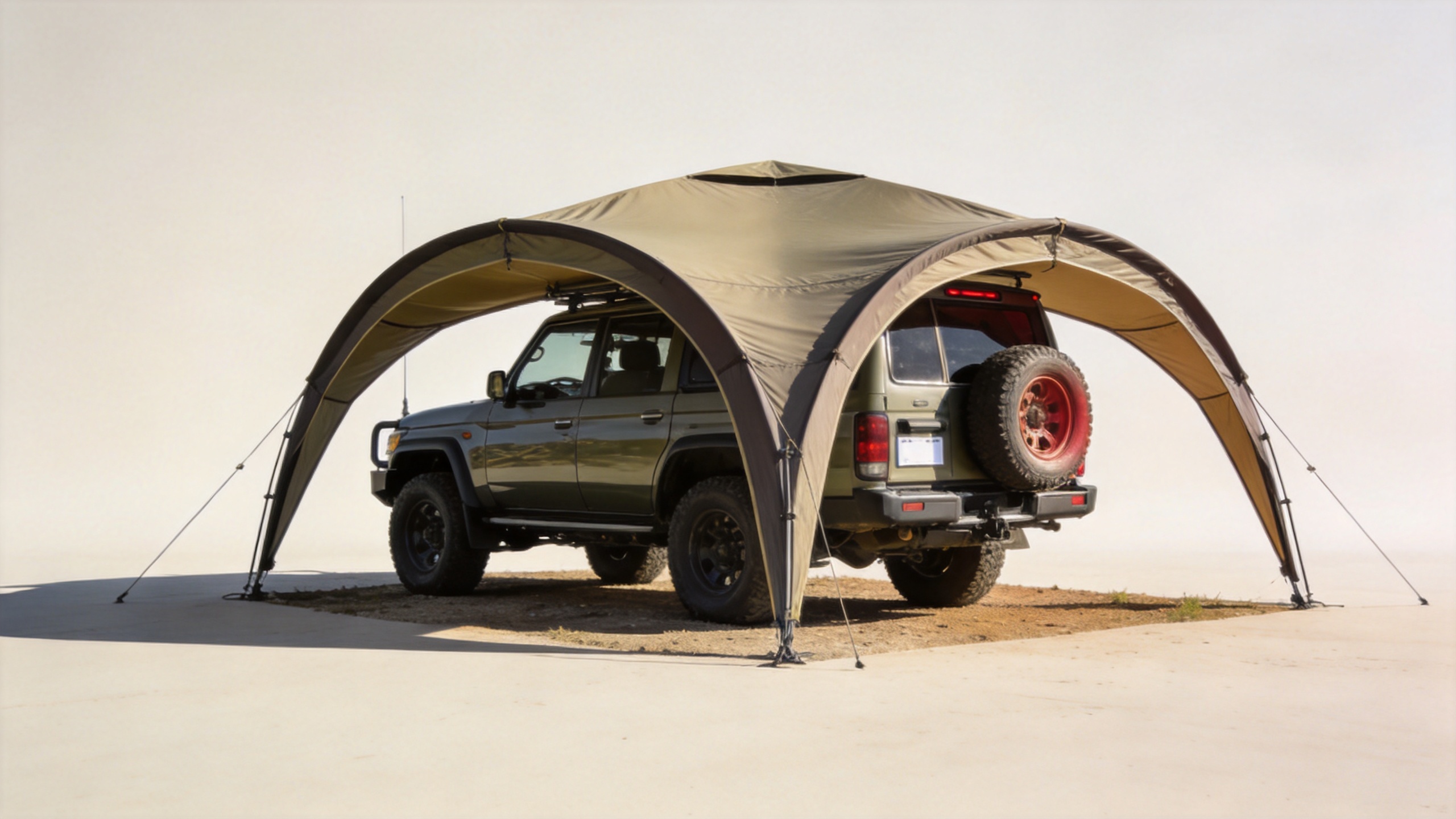
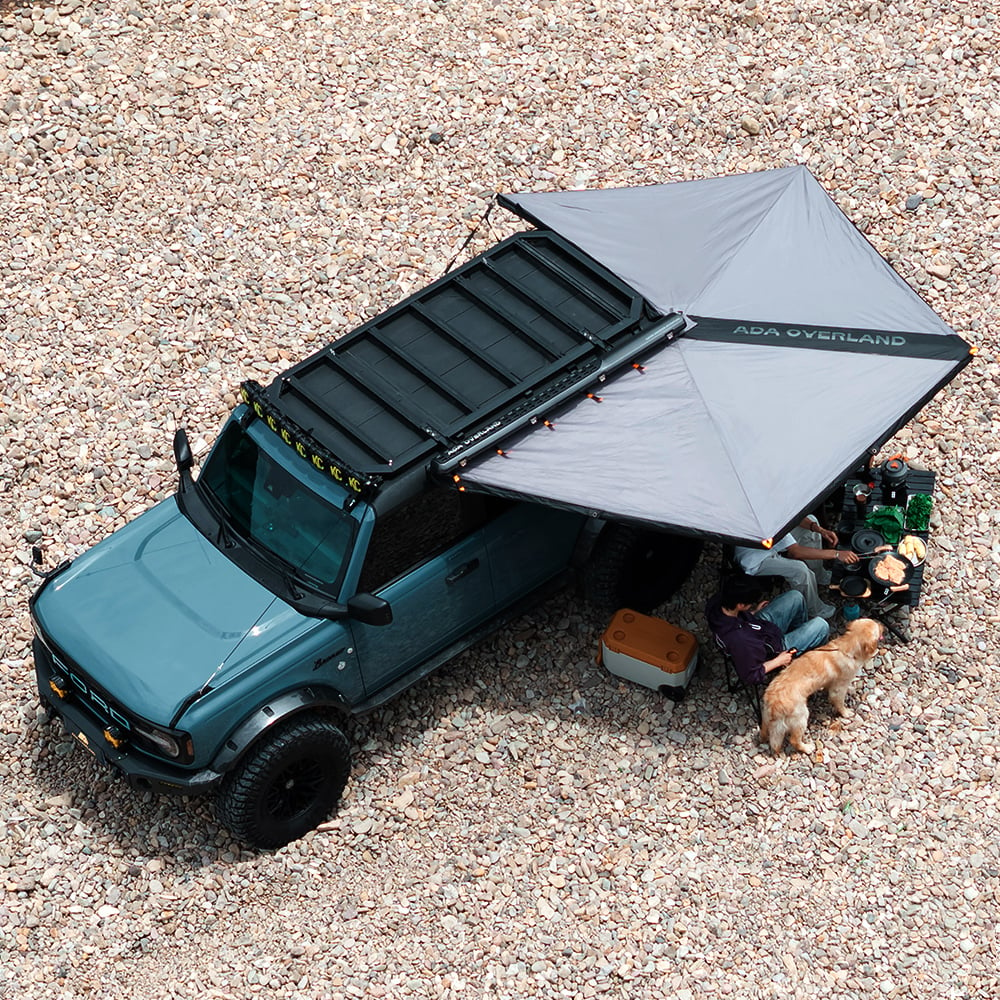
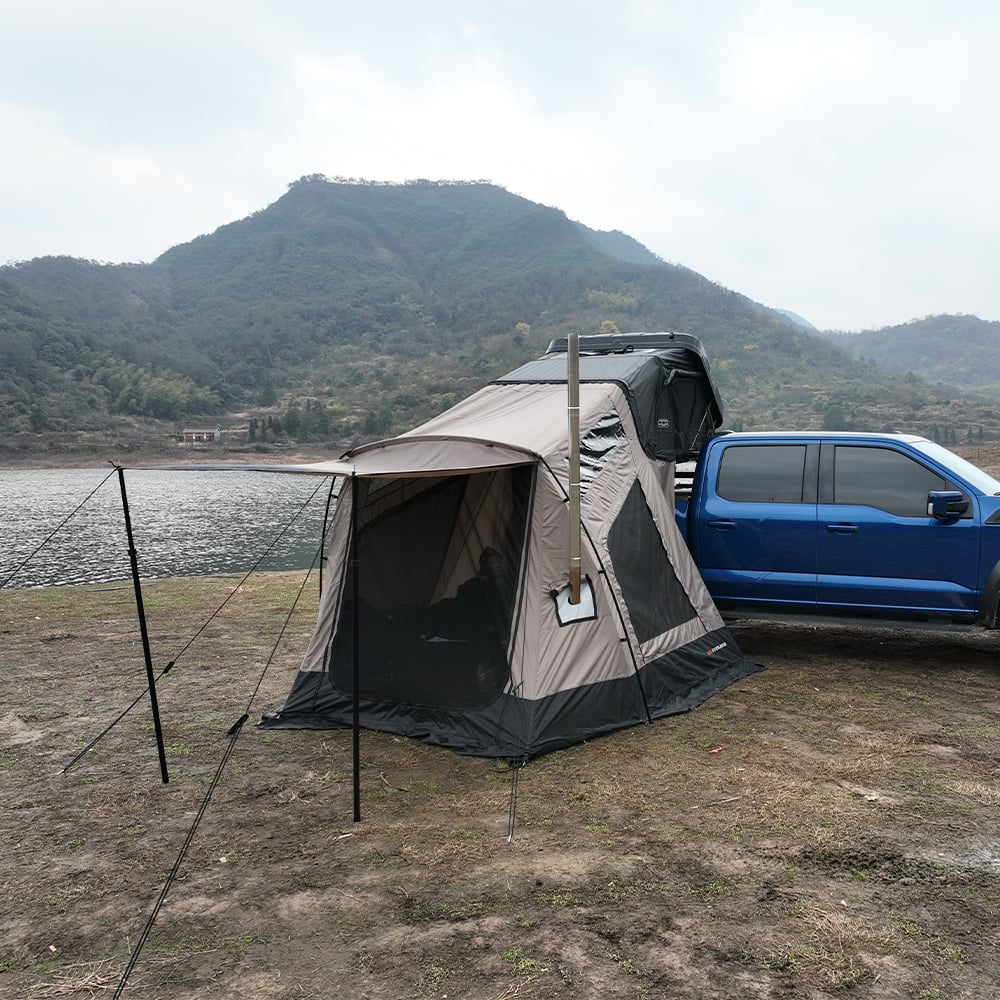
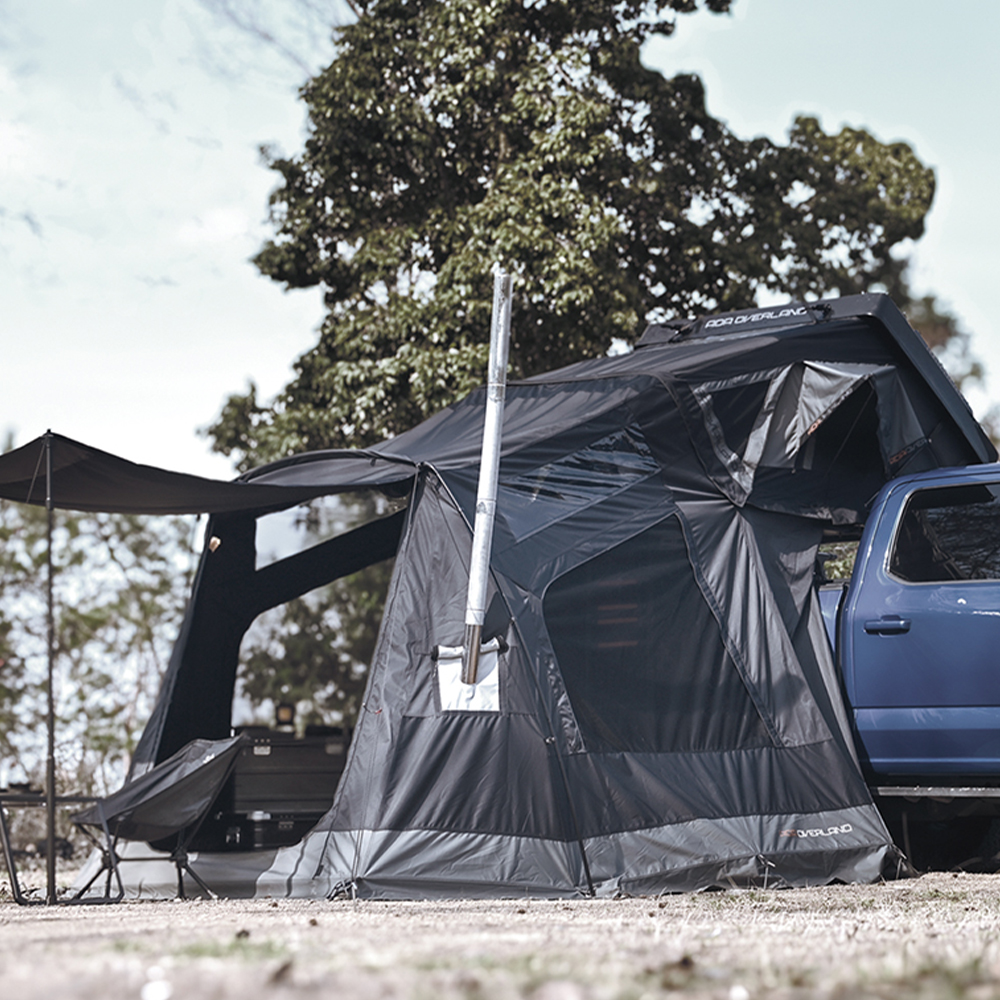
U slučaju vozila s standardnim prozorom, prozor se rasprostranjuje s jedne strane, pokrivajući otprilike bok vozača ili putnika. To radi, ali stvara fiksnu ulicu sjenke -- korisna za jednu stolicu ili kratak ručak, manje korisna kada gradite puni kamp za noć ili vikend. A. svaka vrsta proizvoda , za razliku od toga, okružuje prednju i obje strane vozila ili stražnju i obje strane, ovisno o položaju ugradnje. Lanac pokrivenosti je oko tri četvrtine cijelog kruga. U praksi, sjena prati sunčevo kretanje umjesto da se bori protiv njega, a pokrivena površina počinje izgledati kao funkcionalna soba umjesto samo uski izbočjak.
Područje pokrivenosti varira u različitim modelima, ali tipični markice od 270 stupnjeva pružaju negdje između 80 i 130 kvadratnih stopa sjene površine tla. Da to stavim u kontekst: 80 kvadratnih metara pokriva kuhinju kamp, dva sklopna stolica, i opremu postavljanje područje s prostorom za kretanje. Upoređivani jednoslojni 180-stepenjski maršulja obično pokriva 30 do 40 kvadratnih stopa u istoj konfiguraciji. Ta razlika je značajna kada je jednom iskusiš.
Kako vam to može povećati prostor za život na otvorenom
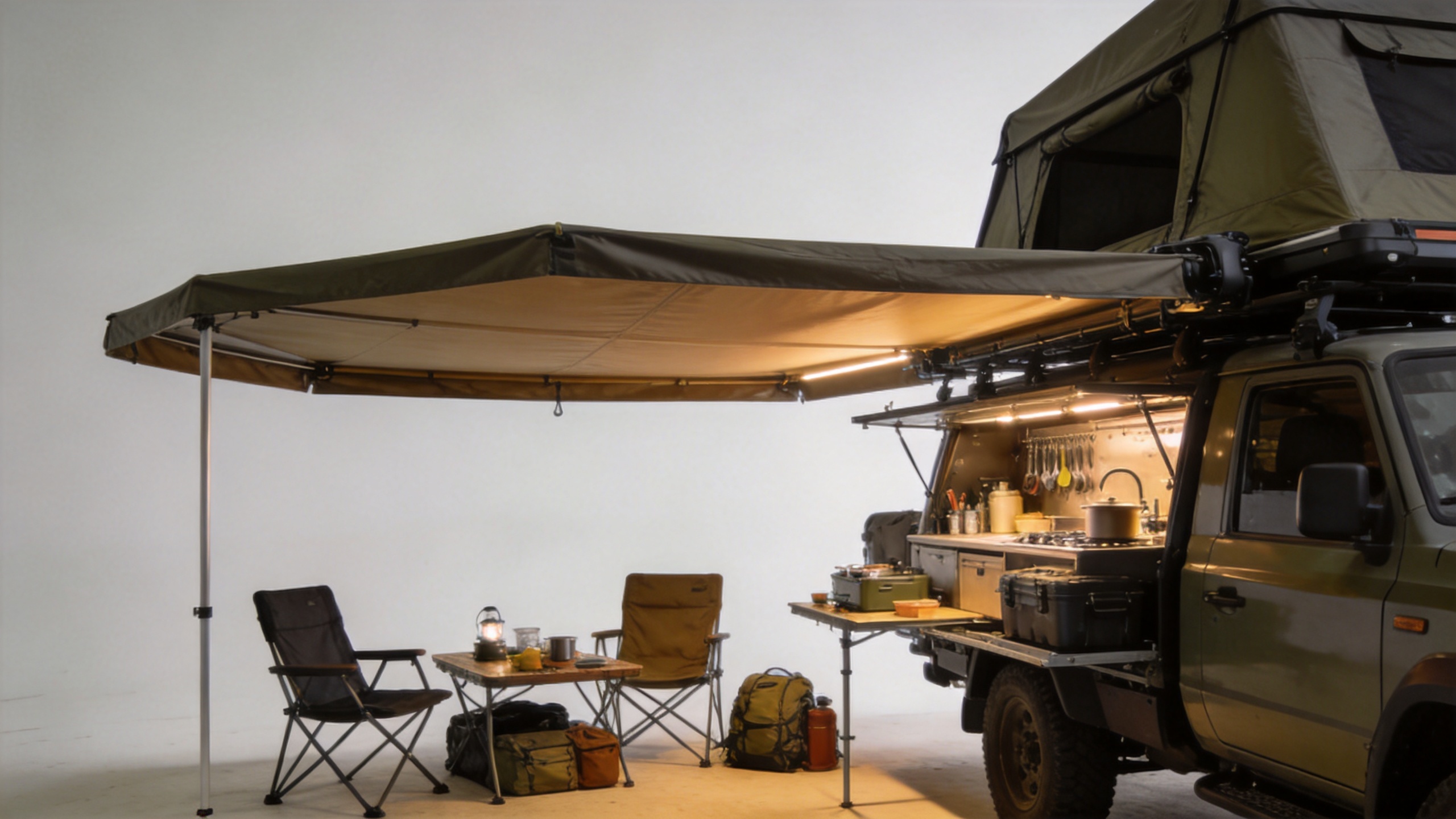
Najdirektnije poboljšanje koje 270 stupnjeva marša donosi kampiranju je funkcionalno zonizacija. S pokrivenjem, možete odrediti jedan dio za kuhanje, drugi za jelo ili opuštanje, i ostaviti ulazni prostor otvoren za kretanje opreme sve pod stalnim zaklonom. Postizanje takve vrste prostorne organizacije je stvarno teško s jednoslojnim markicom, gdje sve mora dijeliti istu usku traku pokrivenosti.
Ova korist od zonizacije još je uočljivija u vrućoj klimi ili tijekom dugog boravka. U pustinjskim uvjetima jugozapada ili na obali Australije ljeti, kampiranje bez odgovarajuće sjene nije samo neugodno ograničava koliko vremena možete realistično provesti izvan vozila. A. svaka vrsta proizvoda pomakne se ta kalkulacija. Kamp postaje mjesto gdje želiš provesti popodne, a ne samo mjesto za spavanje koje podnose između vožnje.
Za obitelji ili skupine, prošireni otisak također smanjuje trenje. Svi nisu gušće pod istim kutkom sjene. Oprema ostaje izvan spavaće zone. Djeca imaju mjesta za igranje u određenoj zaštićenoj zoni. To nisu mala poboljšanja kvalitete života, to su detalji koji određuju da li se putovanje osjeća naporno ili iscrpljujuće.
Brže priprema, više vremena za uživanje u kampu
Evo nešto što iznenađuje mnoge korisnike novog 270-stepenog markiza: moderni samostalni dizajn se često postavi brže od tradicionalnih markiza podržanih stubovima. Budući da se krova otvara prema van na integrisanih ramena za zamah umjesto da zahtijeva postavljanje i napetost podnožnih stubova, solo raspoređivanje je zaista moguće postići za nekoliko minuta. Ulazite u kamp, zaključate vozilo, i imate potpuno funkcionalnu prostoriju spremnu prije nego što završite šalicu kave.
To ušteda vremena se dodaje preko višenastojnog putovanja. Ako se svaki dan preselite, kao što to čine mnogi putnici, razlika između 15 minuta i 3 minute se povećava. Dođete kasnije ili odlazite ranije bez žrtvovanja kvalitete postavke. Marša se gasi čak i za brze ručak zaustavlja da ne bi opravdao napor tradicionalne konfiguracije.
Praktična napomena vrijedna predviđanja: mehanizam zamašne ruke na nekim svaka vrsta proizvoda modeli zahtijevaju određeni slijed implementacije kako bi se pravilno zaključali. Prvi put postavljanje u danu je vrijedno namjerno učiniti ne zato što je komplicirano, već zato što to jednom učiniti u dobrim uvjetima znači da to možete učiniti uvjereno u mraku kasnije.
Zaštita od vremenskih promjena koja zaista djeluje
Dizajn okruženja svaka vrsta proizvoda čini nešto što jednopločna marša strukturno ne može: ograničava izloženost vjetru iz više smjerova istovremeno. Sunce i kiša u kontekstu kopna rijetko dolaze iz savršeno fiksnog kuta. Kada se vrijeme mijenja, postavka od 270 stupnjeva omogućuje vam da postavite vozilo tako da blokira najgore izlaganje, a marša pojačava tu zaštitu na još dvije strane.
U skladu s člankom 3. stavkom 1. stavkom 2. ovog Pravilnika, poduzeća koja su poduzeta odluka o uvođenju mjera za utvrđivanje vrijednosti proizvoda moraju se uzimati u obzir u pogledu vrijednosti proizvoda. Što razlikuje dobru svaka vrsta proizvoda ne radi se samo o specifikaciji tkanine, već o tome kako se paneli napinju pod opterećenjem i kako polovi upravljaju drenažom. Skupljanje vode na slabo napeti ploči je jedan od onih problema koje postaju očiti samo jednom, nakon čega se naučite provjeriti da li vanjski rub ima adekvatan nagib prema uglu odvodnje.
Sveobuhvatnost za različite uslove kampiranja
Ne su svi kampovi ravni, otvoreni i savršeno usmjereni. Neki od najugodnijih mjesta za kopneno vožnju imaju drveće s jedne strane, padine s druge, a susjedi bliže nego što se očekivalo. A. svaka vrsta proizvoda daje vam više mogućnosti za primjenu u tim situacijama. Možete dati prednost pokrivanju prema kuhinji i pustiti spavanje da diše, ili malo okrenuti vozilo da biste koristili luk na markici da biste preusmerili vjetar od vatre za kuhanje. Težak je takav prilagođavanje s fiksnim jednostranim dizajnom.
Samostalne varijante također uklanjaju ovisnost o drveću ili stabljikama za trekking za potporu perimetra. Na ravnim, izloženim mjestima pustinjske ravnice, otvorena plaža, visoka travnja da je neovisnost važna. Vaš sklonište radi isto bez obzira na to što je oko njega.
Je li 270 stupnjeva marša vrijedna ulaganja?
Iskrena suprotnost je da je svaka vrsta proizvoda košta više od standardne opcije, dodaje težinu sustavu krovnog rakova i zahtijeva pažljiviju pakiranje kako bi se izbjeglo stresiranje opreme za zamahnute ruke u transportu. To su prave kompromise. Da li vrijedi, ovisi o jednom pitanju: provodiš li vrijeme u kampu ili uglavnom voziš?
Ako su vaši putovanja uglavnom u vezi s vožnjom dugim danima na stazi s minimalnim vremenskim kampom kompaktna marša u smjeru od 180 stupnjeva vjerojatno vam bolje služi. Lakše je, jednostavnije i dovoljno za brzu pauzu za ručak. Ali ako cijenite kamp gdje možete kuhati kako treba, jesti vani i provesti popodne u sjeni bez povlačenja u vozilo, 270-stepenjski format mijenja iskustvo na načine koje je teško pretjerati nakon što ga probate. Kamp postaje mjesto gdje stvarno želiš biti. To je na kraju krajeva što je dobro svaka vrsta proizvoda dostavlja.
ADA OVERLAND dizajnira i proizvodi šatore na krovovima i kompatibilnu opremu za kampiranje na otvorenom, oslanjajući se na više od 8 godina iskustva i više od 60 patenata koji pokrivaju strukturalne inovacije u segmentu opreme za kampiranje na kopnu. Naši proizvodi su napravljeni za B2B partnere i outdoor brendove u Europi, Sjevernoj Americi, Australiji, jugoistočnoj Aziji i Latinskoj Americi kojima je potrebna pouzdana opskrba za OEM / ODM za tržište preko kopna.
 Vruće vijesti