EN
EN


Let's start with the big decision you'll face when shopping for a hard roof top tent durability that actually lives up to the hype. The shell material is the first thing that determines whether your tent survives a decade of abuse or starts showing its age after a few seasons. Aluminum shells are the heavyweight champions – they resist dents, shrug off branch scratches, and keep their shape when the trail gets rough. But they'll add 70 to 80 kilograms to your roof, which can push you past dynamic weight limits and knock a few mpg off your fuel economy. Composites – usually reinforced ABS or fiberglass – shed about 30 to 40% of that weight while staying rigid enough for year-round use. The catch? UV exposure can turn untreated composites chalky and brittle over time. Good manufacturers bake UV inhibitors right into the polymer, which makes a huge difference. Aluminum's Achilles heel is corrosion, especially if you scratch through the anodized or powder-coated layer in coastal or salt-heavy areas. For serious overlanders who regularly bash through tight trails, aluminum's impact resistance is worth the extra weight. If you're mostly highway driving with occasional weekend getaways, composites keep your center of gravity lower and your suspension happier. Both materials can easily deliver ten years or more – as long as you treat them right.
Here's something most buyers don't think about until it's too late. The seals around your tent's doors, hinges, and access panels are the most critical part of its weatherproofing – and they're also the most vulnerable. After five years of UV exposure, freezing and thawing, and repeated compression, rubber gaskets start to dry out, crack, and lose their ability to keep water out. If you don't catch it early, you'll end up with moisture inside the tent, which leads to mildew, musty smells, and eventually damage to the interior. Stainless steel hardware and sealed bearing systems help prevent corrosion on the moving parts, but even anodized aluminum can pit if its protective layer gets compromised – especially near coastlines or in regions where they salt the roads in winter. Owners who do annual inspections – lubricating seals with silicone, reapplying protective coatings, wiping everything down after beach trips – consistently report sealing performance that feels like new even after years of heavy use. One simple habit: make sure the tent is completely dry before you fold it up and store it. That alone delays oxidation and seal fatigue significantly.
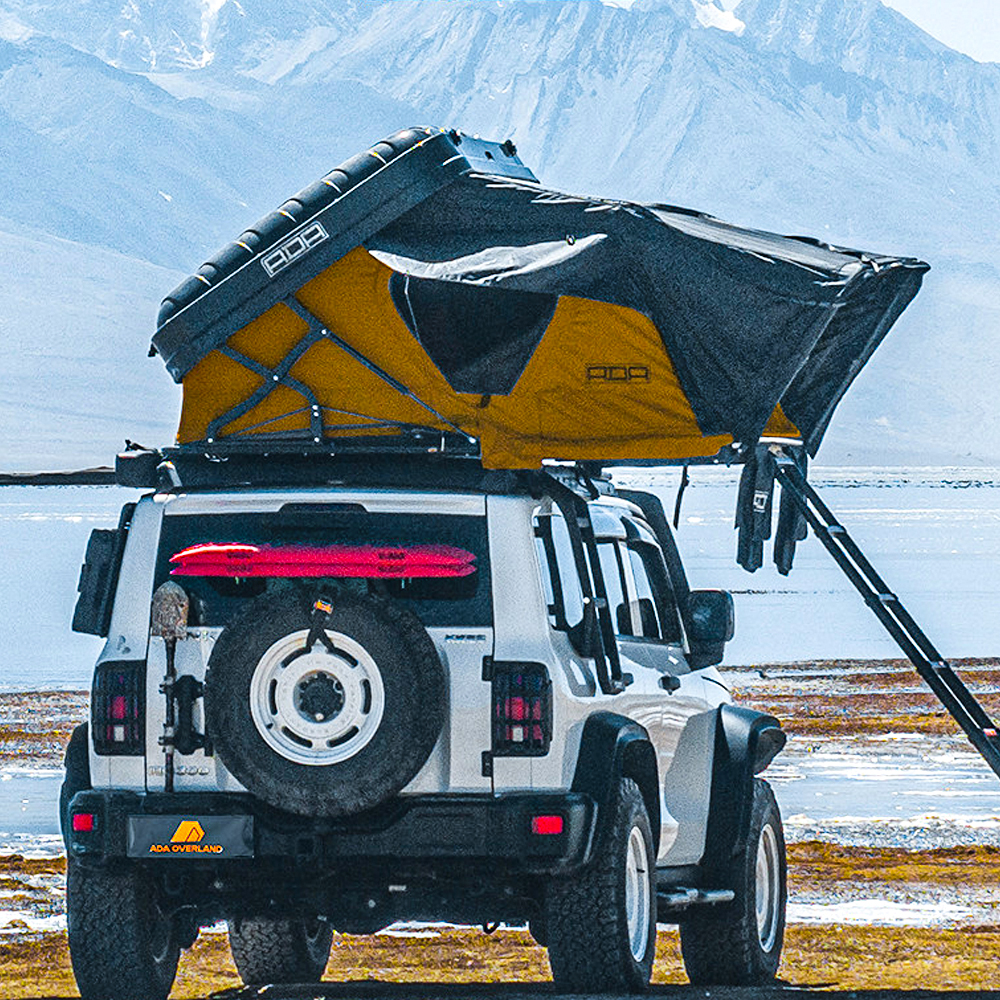
The shell might look tough, but the real test of a hard roof top tent durability comes from the parts that move. After 200-plus setups and takedowns, hinges, latches, and gas struts show you exactly where corners were cut. High-grade marine stainless steel or carbon steel hinges resist bending and corrosion way better than standard steel – they stay smooth for thousands of cycles. Premium gas struts use reinforced seals to hold pressure longer, typically retaining 85 to 90% of their initial lift force after 500 cycles. Cheaper ones lose their oomph much faster – you'll notice when the lid starts sagging or needs a hand to stay open. Latches are another weak spot. If the strike plates aren't hardened or the design doesn't self-adjust, wear introduces slop that breaks the closed seal – and that's when wind noise and moisture intrusion become your new camping companions. Lubrication and regular inspection help, but the real fix is engineering that doesn't cut corners: properly sized struts for the panel weight, precision-machined hinge tolerances, and latch geometry that stays tight. A well-made hard shell tent should handle daily use for a full decade without any functional failures in the moving parts.
| Component | Premium Grade | Budget Grade | Service Life Difference |
|---|---|---|---|
| Gas Struts | 85–90% lift force after 500 cycles | Significant pressure loss by 200 cycles | 2–3x longer |
| Hinges | Marine stainless steel, corrosion-resistant | Standard steel, prone to rust | 5+ years |
| Latches | Hardened strike plates, self-adjusting | Soft metal, loosens over time | Seals fail earlier |
| Seals/Gaskets | UV-stabilized silicone, flexible | Basic rubber, cracks in 2–3 years | 5+ additional years |
The outside gets all the attention, but the inside takes just as much abuse. Low-density polyurethane foam starts losing its bounce after about 350 nights of use – you'll notice permanent impressions that make sleeping less comfortable. High-resilience or memory foam with a density of 50 kg/m³ or higher holds its shape and support for ten years or more, especially if you ventilate it properly. Liner fabrics – usually polyester-cotton blends or breathable synthetics – are prone to mildew if you store them damp. UV exposure through open windows also fades colors and weakens fibers over time. The most durable tents come with removable, machine-washable liners and ventilated mattress bases that let air circulate underneath. Anti-microbial treatments and moisture-wicking backings add another layer of protection. But honestly? The best defense is consistent maintenance – air the tent out regularly, avoid closing it up when it's humid, and use a portable dehumidifier occasionally if you're in a damp climate. That's what stops moisture-driven degradation before it starts.
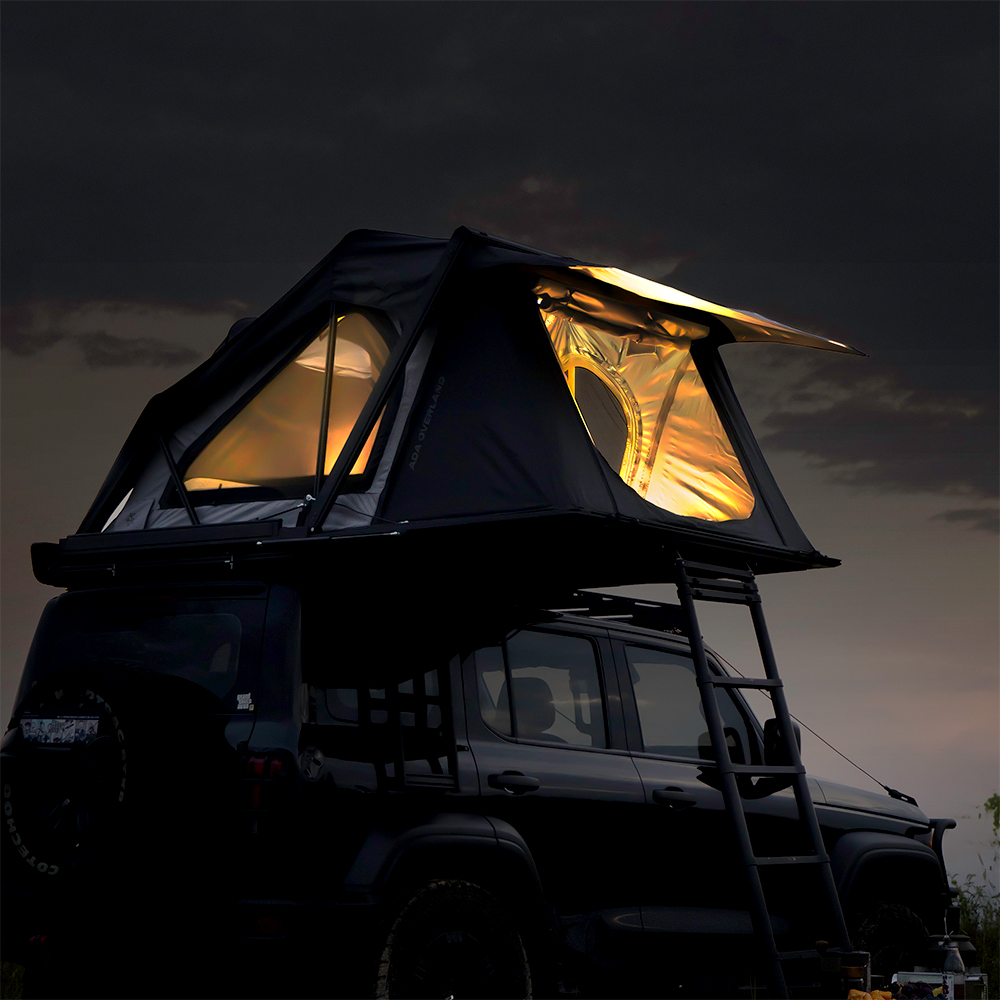
Hard shell tents are great at shedding snow and blocking wind, but they have a hidden weakness in extreme cold – thermal bridging. The aluminum subframes and mounting rails conduct heat outward, creating cold spots along hinge lines, base interfaces, and perimeter rails. In sub-zero conditions, interior surface temperatures in those spots can drop 8 to 12°F below the ambient temperature inside the tent. Even with honeycomb-aluminum flooring and a thick foam mattress, convection losses sneak through small gaps around entry zippers and adjustable ventilation panels. If you're camping in real winter conditions without a diesel heater or aftermarket insulation kit, condensation can freeze on interior surfaces – which reduces comfort and increases long-term mildew risk. Independent testing has shown that true 4-season capability depends less on the shell material and more on sealing every insulation gap and eliminating thermal pathways.
Now about snow load. Manufacturers often publish static load ratings of 600 to 800 pounds – but that assumes uniform vertical force on a closed tent, not the dynamic, uneven weight of wet snow accumulation. Heavy snow exerts about 20 pounds per square foot. On a six-foot tent, a single night's storm can dump 150 pounds or more on your roof. While aerodynamic shells shed snow reasonably well, prolonged loading stresses gas struts, latches, and hinge mounts beyond their design margins – and that's when deformation or seal failure happens in the field. Independent field testing shows real-world snow load tolerance averages about 20 to 30% below those glossy manufacturer claims. That's not to say hard shells can't handle winter – they absolutely can – but you need to clear snow proactively and mount the tent as low and securely as possible.
Let's have an honest conversation about price. Hard shell tents typically start around $2,000, while soft-shell models run $1,000 to $1,500. That's a significant gap. But when you look at total cost of ownership over a decade, the math starts to shift. Soft-shell tents are heavily reliant on fabric and stitching – and after three to five years of regular exposure, they need re-waterproofing, seam repairs, and eventually full replacement. A well-maintained aluminum or composite hard shell tent routinely delivers ten to fifteen years of service, needing only periodic seal checks and gas strut servicing.
Resale value tells the same story. Proven hard shell models hold 60 to 70% of their original price after several seasons of use. Soft-shell tents depreciate sharply – and after heavy use, they're often unsellable. There's also an aerodynamic factor: the rigid, low-profile shell reduces drag compared to bulkier soft shells, which translates to measurable fuel savings over time. If you're using your tent for 50 to 60 nights a year or more, the per-night cost of a hard shell actually drops below that of a soft-shell. For frequent overlanders or full-time travelers, the premium isn't just about comfort – it's a financially rational decision rooted in durability, lower maintenance, and strong resale value.
| Factor | Hard Shell Tent | Soft Shell Tent |
|---|---|---|
| Upfront Cost | $2,000+ | $1,000 – $1,500 |
| Expected Lifespan | 10 – 15 years | 3 – 5 years |
| Resale Value After 3 Seasons | 60 – 70% of original | Often unsellable |
| Annual Maintenance | Seal checks, strut service | Re-waterproofing, seam repairs |
| Aerodynamic Drag | Low profile, less drag | Bulkier, more drag |
| Per-Night Cost (50+ nights/year) | Lower over time | Higher over time |
We've talked to enough overlanders and full-time travelers to know what actually holds up. One couple we know spent four years driving from Alaska to Patagonia with an aluminum hard shell on their truck. They logged over 400 nights in that tent, through everything from desert heat to mountain snow. Their gas struts needed replacing once. The seals got lubricated every season. The shell itself? Still straight, still solid, still keeping them dry. Another traveler went the budget route with a soft-shell and replaced it twice in three years – fabric tears, broken zippers, and a bent frame that never quite closed right again. That's the difference. The upfront premium buys you peace of mind that lasts.
| Task | Frequency | Why It Matters |
|---|---|---|
| Lubricate seals with silicone | Every 6–12 months | Prevents cracking and water ingress |
| Check gas strut pressure | Annually | Ensures lid stays open safely |
| Inspect hinges and latches for wear | Every season | Catches loosening before seal fails |
| Clean and dry tent before storage | After every trip | Prevents mildew and corrosion |
| Reapply protective coating (if needed) | As needed, especially coastal | Protects against salt and UV |
| Clear snow promptly | During winter use | Prevents overloading and deformation |
Here's what it comes down to. A hard roof top tent is a serious investment – and like any serious investment, it pays off when you choose quality and take care of it. Aluminum gives you impact resistance at the cost of weight. Composite sheds weight at the cost of UV vulnerability. Both can last a decade or more with proper maintenance. The seals, hinges, latches, and gas struts are what really determine long-term reliability – and those are the details where premium builds separate themselves from budget alternatives. For frequent users, the total cost of ownership favors the hard shell every time. The data backs it up, the real-world users confirm it, and we've seen it ourselves. A well-chosen hard shell tent isn't just camping gear – it's a companion that'll keep you dry, warm, and comfortable for years to come.
At RedEarth, we know that outdoor gear has to earn its keep. Working alongside Gint's manufacturing team, we apply the same standards of durability and reliability across our product lines – because when you're out there, good enough never is. We build for people who actually use their gear, season after season.
 Hot News
2026-09-23
2026-09-25
2026-09-22
2026-09-15
2026-09-13
2026-09-06

Zhejiang Ada Outdoor Products Co.,Ltd. provides premium rooftop tents and outdoor camping gear for global B2B partners. 8+ years, 60+ patents, strict QC. Trusted by international brands. Request OEM quote today.