EN
How durable are ADA tents in rough outdoor environments?
An ADA tent is intended for overland travel, but durability in rough environments is not a single-material question. A supplier, distributor, or fleet buyer should look at the fabric system, shell or frame, moving hardware, mounting connection, and the quality checks behind each production batch. From a B2B procurement perspective, the useful question is not whether an ADA tent can handle one difficult weekend. It is whether the design and service plan suit repeated vibration, rain, dust, wind, uneven ground, and long-distance transport.
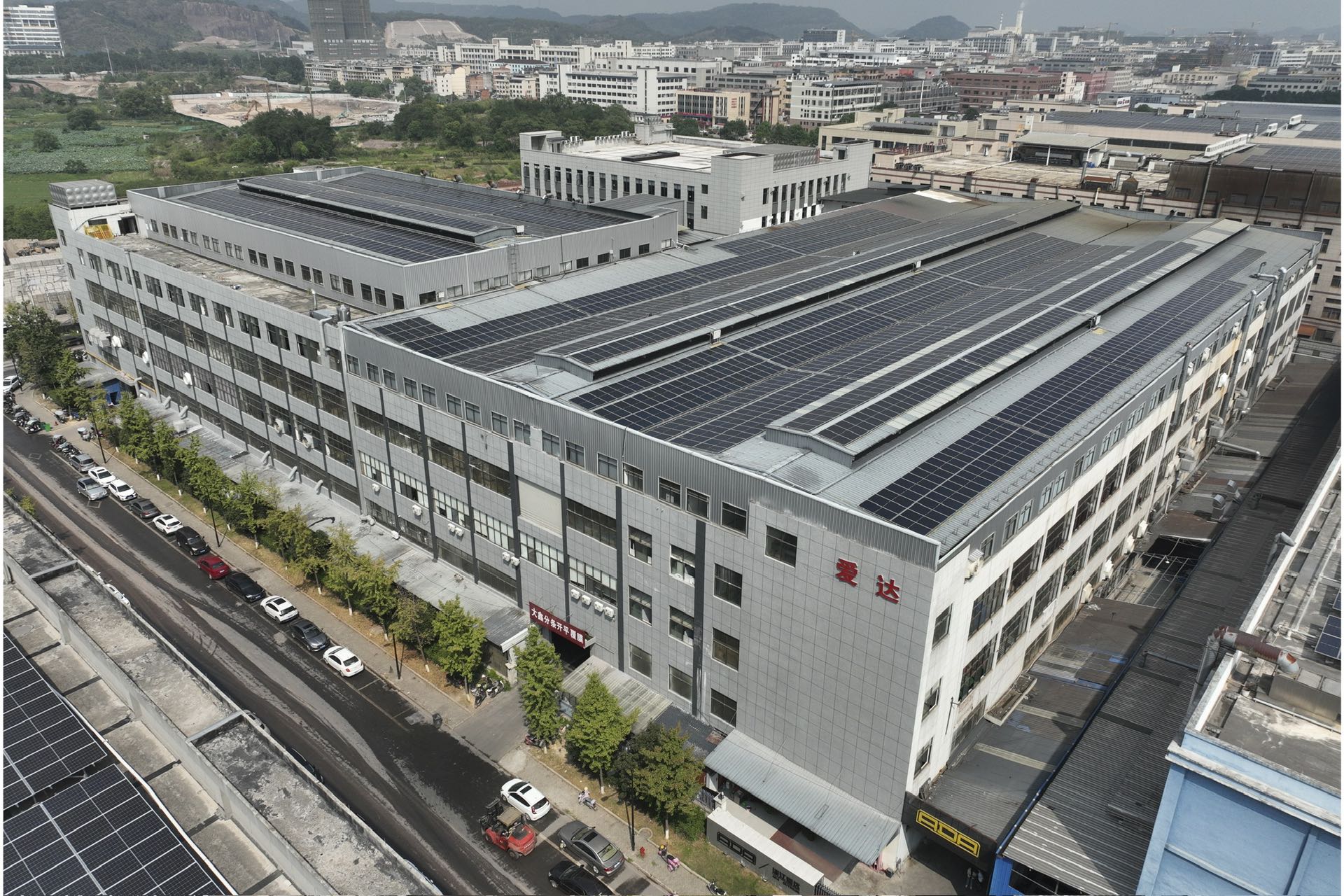
ADA OVERLAND focuses on rooftop tents and outdoor camping gear for international markets. Its published business profile notes more than eight years of category experience and more than 60 product patents. Those points can support supplier due diligence, but a buyer should still review the exact ADA tent model, approved vehicle mounting arrangement, inspection records, and care guidance before committing to a program.
What rough use actually asks of an ADA tent
Rough use is cumulative. Corrugated roads transmit repeated movement through the roof rack, mounting brackets, shell or base, hinges, fasteners, and fabric attachments. Wet nights place stress on seams, coatings, zippers, and pack-down discipline. Dust affects sliders and latches. Coastal air adds corrosion pressure to exposed metal. An ADA tent used occasionally at a maintained campsite faces a different duty cycle from one opened, closed, and driven over rough tracks for weeks at a time.
That distinction matters when buyers compare samples. A tent can look sound when it is first opened yet reveal weak points only after many setup cycles or sustained road vibration. Ask the supplier to define the intended use case rather than relying on a broad “all-weather” label.
Five durability areas to evaluate
1. Fabric, seams, and water management
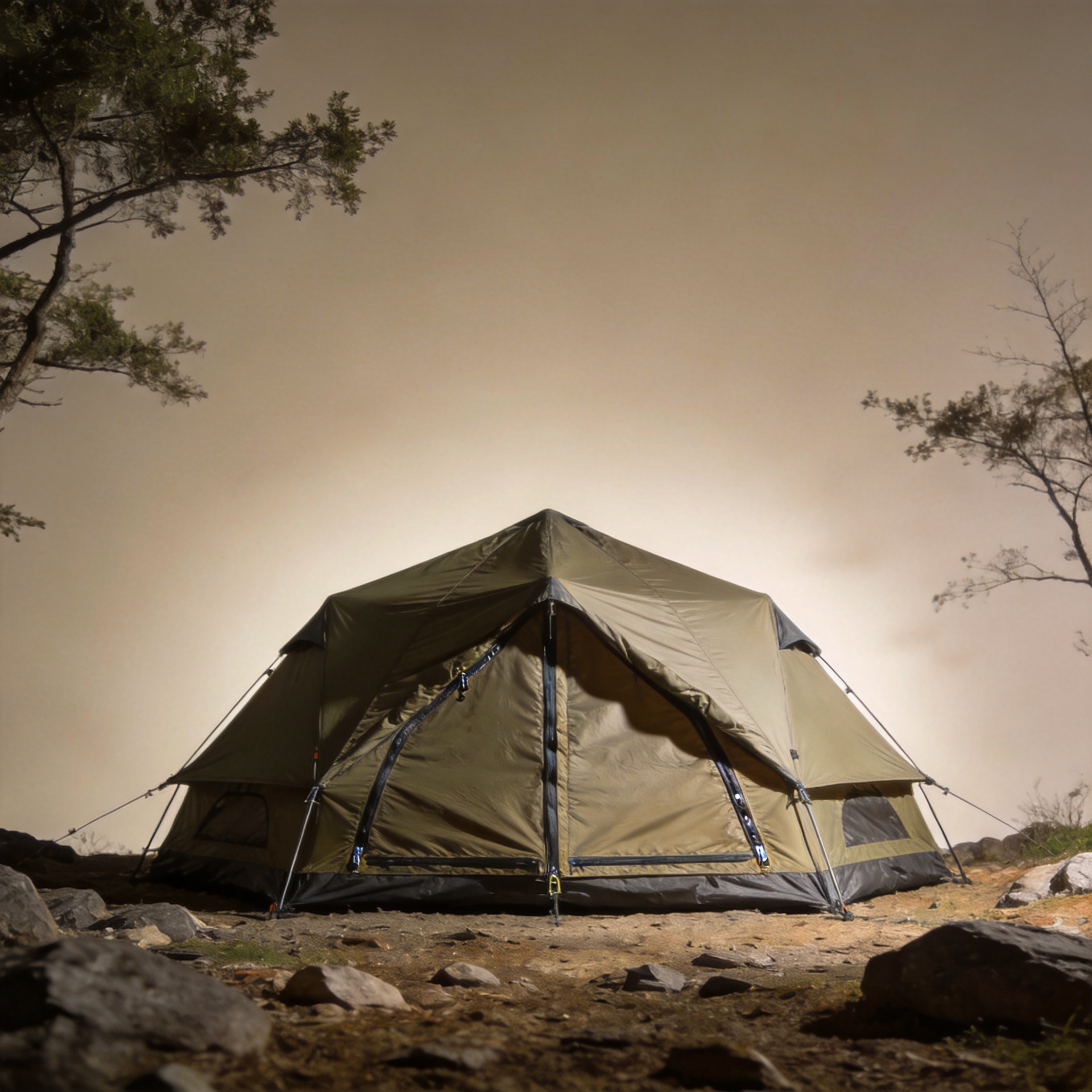
For any ADA tent, inspect the fabric weight and weave, coating information, seam construction, window mesh attachment, and the way rain is directed clear of openings. Hydrostatic-head figures are laboratory water-column measures in millimetres. They can help compare water resistance, but they do not by themselves describe seam quality, abrasion resistance, drainage, or how the tent behaves after repeated folding while damp.
A practical sample review includes opening the tent after a wet pack-down, checking for trapped moisture, and examining seam tape or sealing at corners and high-tension points. In heavy rain, correct tension and ventilation also matter; condensation is a use-condition issue, not automatically a fabric failure.
2. Shell, base, and load paths
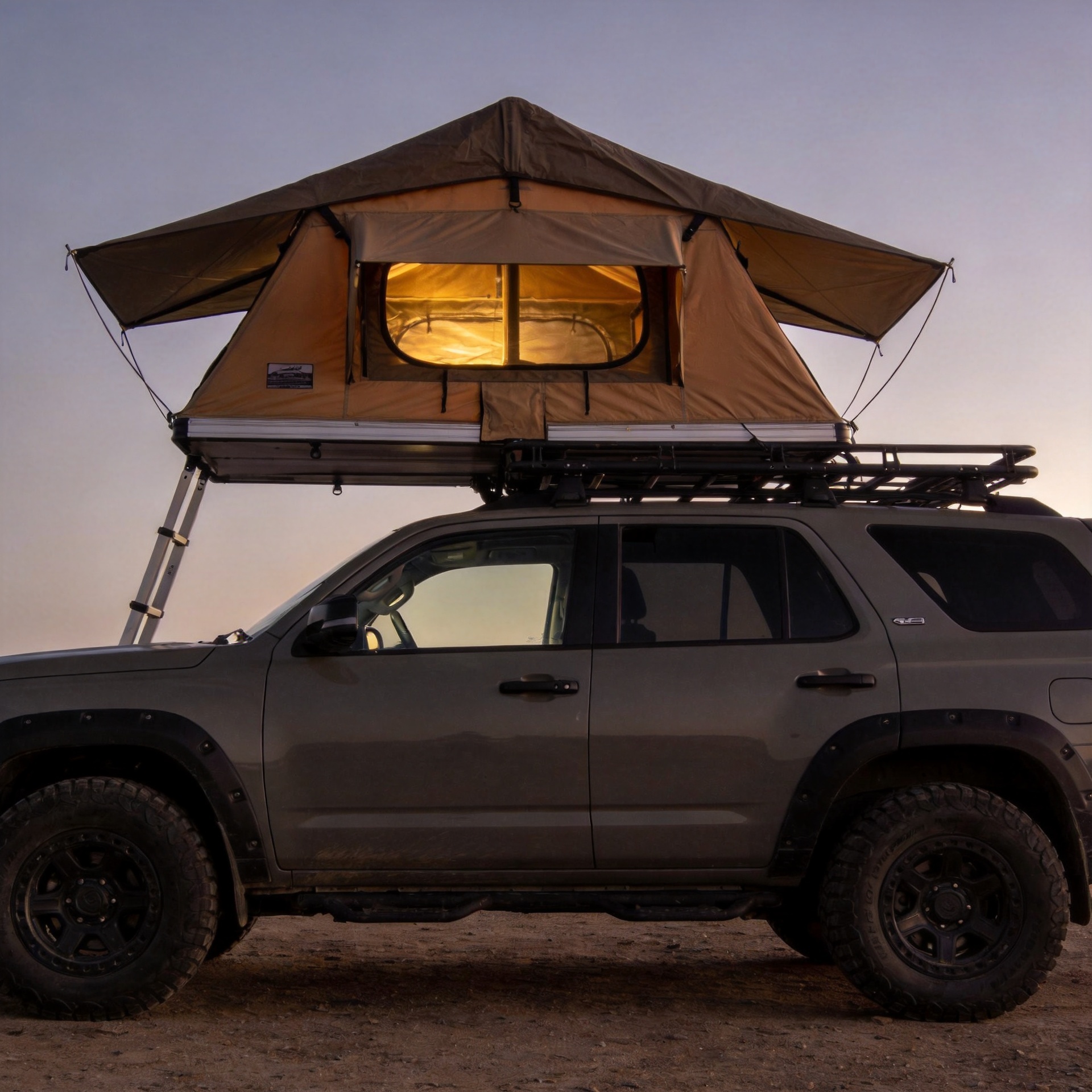
Where an ADA tent uses a hard shell or rigid base, buyers should inspect the edges, hinges, latch alignment, and areas where the shell or base meets the mounting rails. The relevant question is whether loads are distributed through designed attachment points rather than concentrated at one fastener. For softshell designs, look closely at base-board condition, cover retention, and the points where fabric, poles, and brackets meet.
Request dimensional checks and functional checks as part of the supplier’s pre-shipment process. ADA OVERLAND identifies dimensional checks, hardware-function testing, and weatherproofing verification as elements of its QC protocol. For a particular ADA tent order, clarify which checks apply, how they are recorded, and what acceptance criteria the purchase order requires.
3. Hardware that sees repeated movement
Hinges, gas struts where fitted, ladders, latches, zippers, and fasteners often determine how a roof-top system ages. A durable ADA tent should be assessed through repeated opening and closing, not a single showroom demonstration. Check for smooth latch engagement, secure ladder locking, consistent zipper travel, and hardware that remains accessible for inspection or replacement.
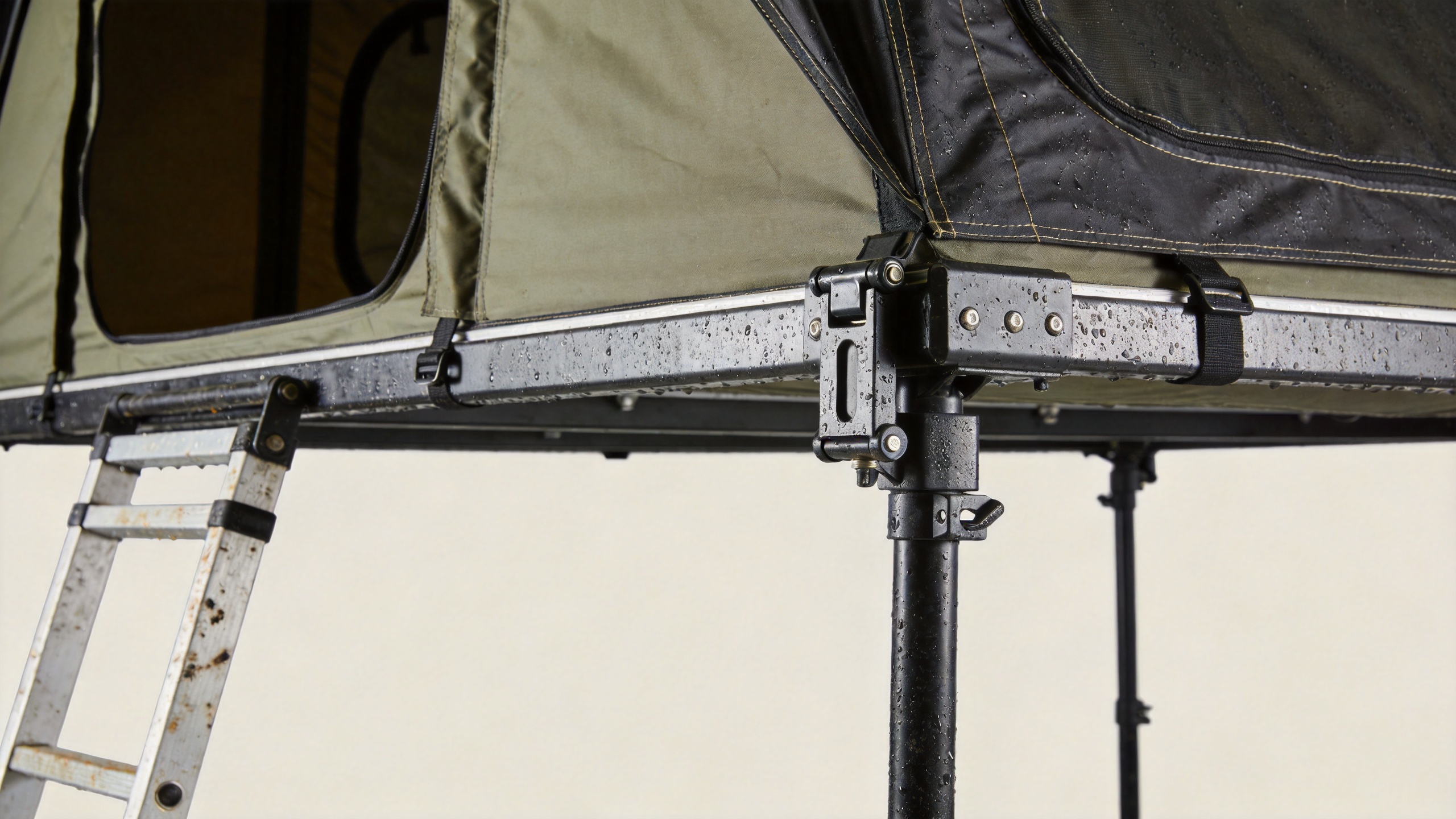
Salt air, mud, and road spray deserve extra attention. After coastal or winter-road exposure, rinse visible metal with fresh water where appropriate, dry the tent thoroughly, and inspect for finish damage or early corrosion. That routine will not turn unsuitable hardware into suitable hardware, but it can reveal a developing issue while it is still manageable.
4. Roof-rack and vehicle compatibility
A reliable ADA tent installation depends on the vehicle and rack as much as the tent itself. Confirm the vehicle roof rating, rack manufacturer guidance, crossbar spacing, mounting instructions, and the effect of the packed tent on clearance and weight distribution. Static capacity and dynamic driving loads are different questions. The mounting system should be checked after the first trip and at planned intervals thereafter, especially after rough-road travel.
For distributors, clear fitment documentation reduces avoidable support cases. Do not assume that a mount arrangement proven on one vehicle transfers directly to another.
5. Batch consistency and service readiness
For a B2B buyer, ADA tent durability includes what happens after the container arrives. Ask how the production sample is matched to the shipment, whether inspection reports can accompany the batch, and which replacement parts are available for common wear items. ADA OVERLAND states that it provides pre-shipment inspection documentation and supports OEM or ODM development. Use those capabilities to agree on material, hardware, packaging, and inspection requirements before production rather than treating them as general claims.
A field-oriented evaluation checklist
- Open and close the ADA tent repeatedly; note latch, zipper, hinge, and ladder behaviour.
- Inspect seams, corners, and fabric contact points after simulated rain and drying.
- Review the exact mounting hardware against the intended vehicle and rack.
- Check exposed metal and fasteners after dust, moisture, or salt-air exposure.
- Confirm the planned inspection, spare-parts, and warranty communication process for the order.
So, how durable is an ADA tent?
An ADA tent can be a credible option for rough outdoor use when its model-specific construction, mounting arrangement, and maintenance plan match the trip profile. The strongest purchasing decision comes from evaluating the complete system: fabric and seams, structural load paths, moving hardware, vehicle fitment, batch QC, and parts support. Buyers who check those items early are in a better position to set a realistic durability standard for their market and customers.
For a private-label or distribution project, turn this checklist into written sample and production requirements. That makes an ADA tent evaluation more useful than a general durability claim and gives both buyer and supplier a shared basis for inspection.



 Hot News