EN
EN

How to Select an Overlander Tent for Extreme Outdoor Adventures?
Ask yourself this before you start comparing specs: what conditions are you actually planning to sleep in? Because choosing an overlander tent for a weekend trip to a well-maintained campsite is a completely different decision from selecting an overlander tent that needs to hold up through alpine snowfall, desert windstorms, or multi-week backcountry routes. As someone who has evaluated and tested dozens of overlander tents across different terrains, the key factors often overlooked are the ones that matter most when conditions get genuinely difficult.
The overlander tent market has matured considerably, and so has the gap between entry-level overlander tent options and purpose-built, expedition-grade choices. This guide covers the criteria that actually separate functional gear from gear that lets you down when you need it most.
What Makes an Overlander Tent Different from a Standard Camping Tent?
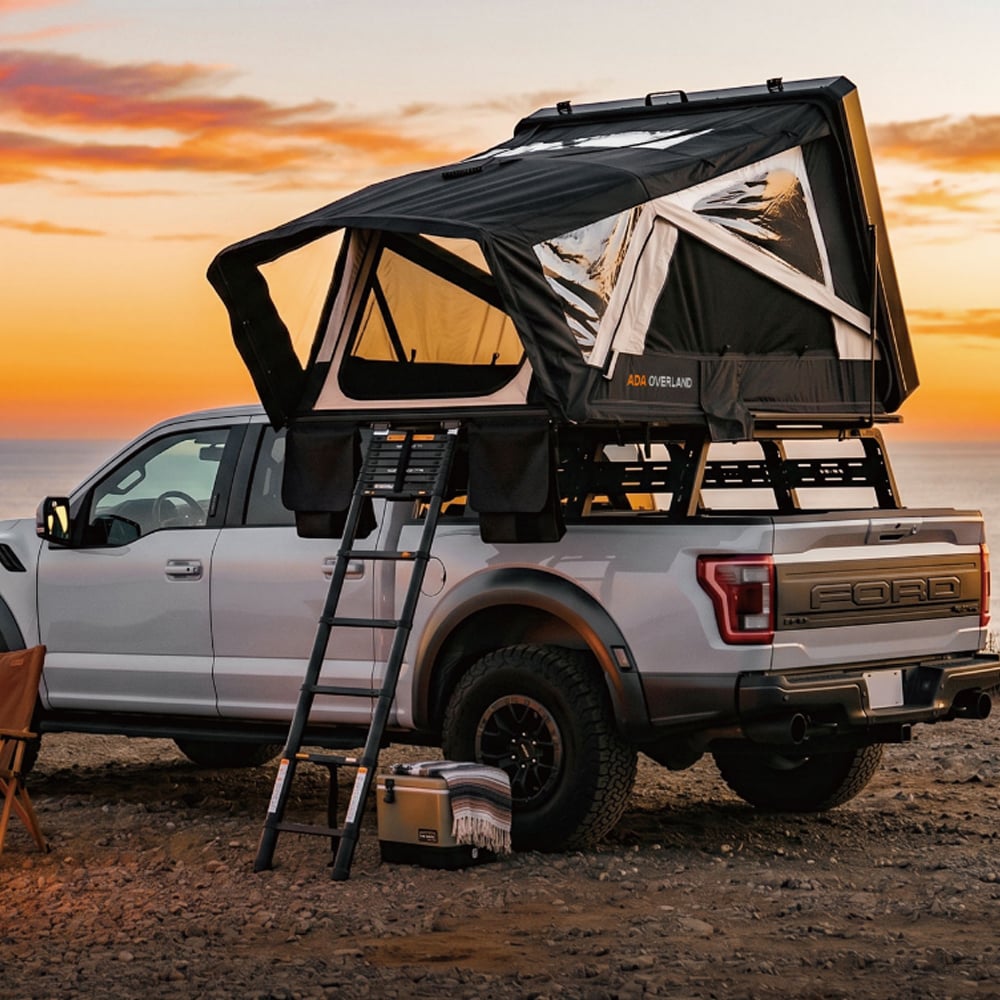
A standard camping tent is designed for flat ground, mild conditions, and a defined weight in your hands. An overlander tent, whether mounted to a roof rack or deployed from the bed of a truck, has to perform differently. It stays exposed to UV, road vibration, and weather 365 days a year, not just on weekends. The materials, seam construction, hinge mechanisms, and fabric treatments in a quality overlander tent are all under ongoing mechanical stress that recreational tents rarely encounter.
Durability, mountability, and all-weather performance aren't optional add-ons for an overlander tent. They're the baseline.
Key Selection Criteria for an Overlander Tent in Extreme Conditions
1. Tent Type: Softshell vs. Hardshell Overlander Tent
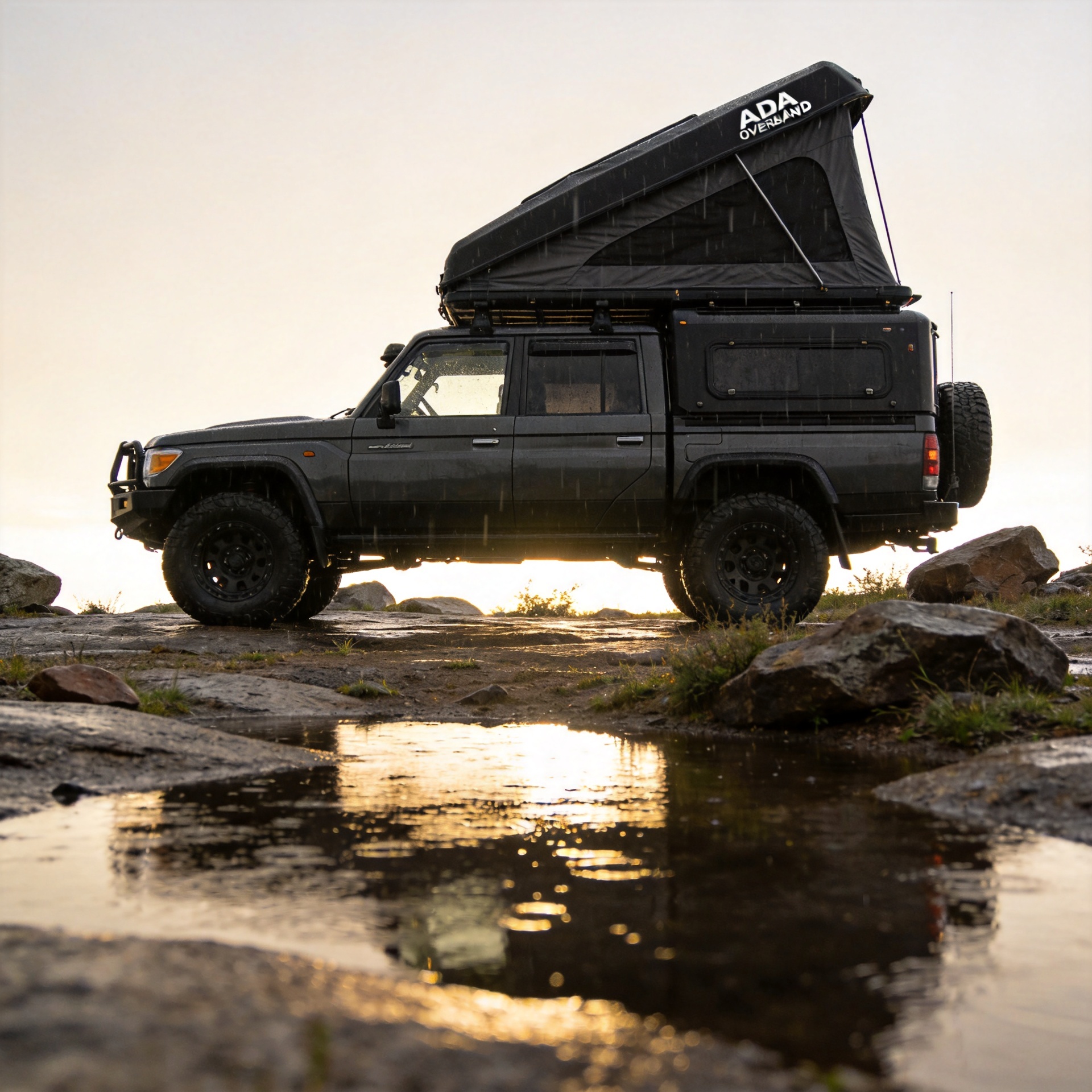
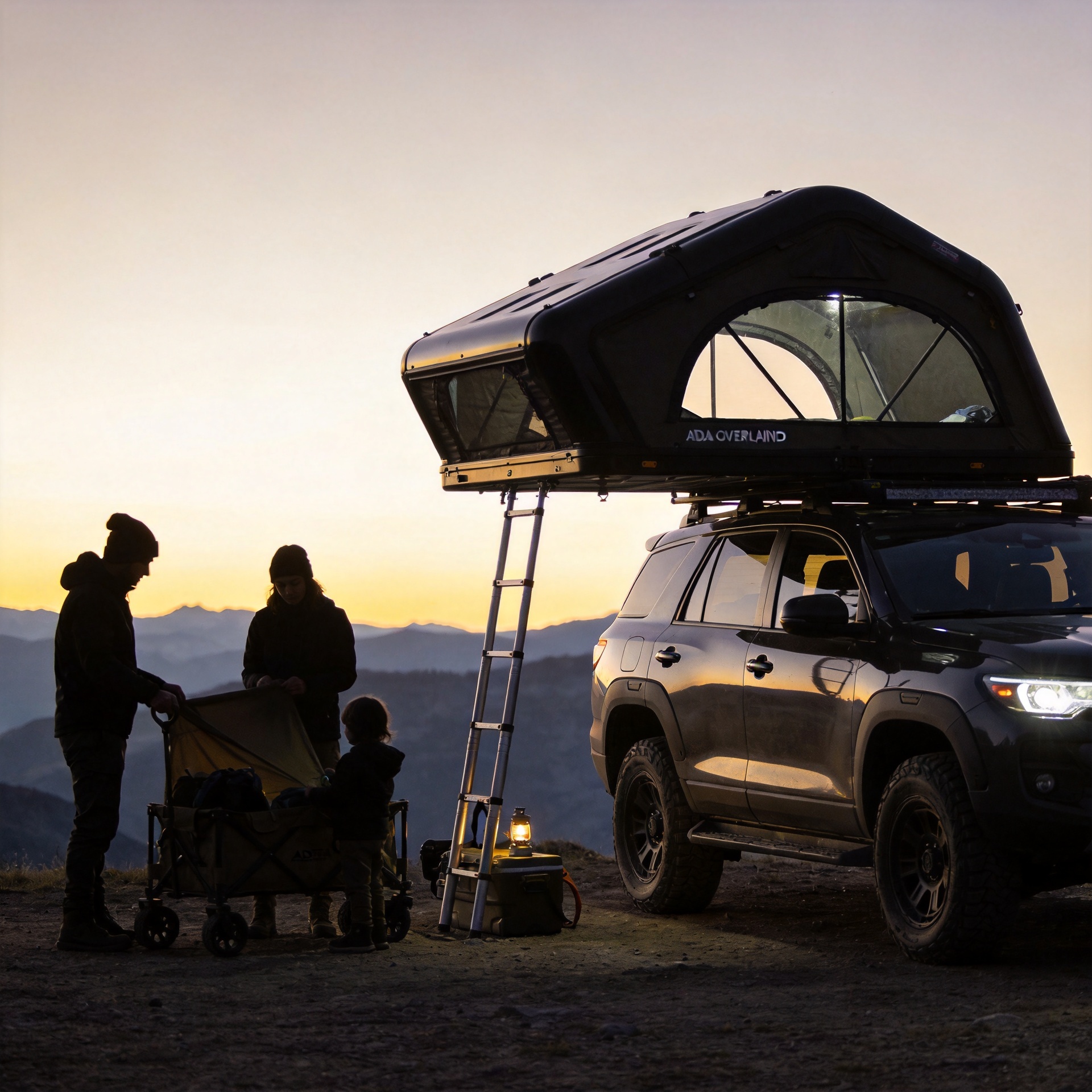
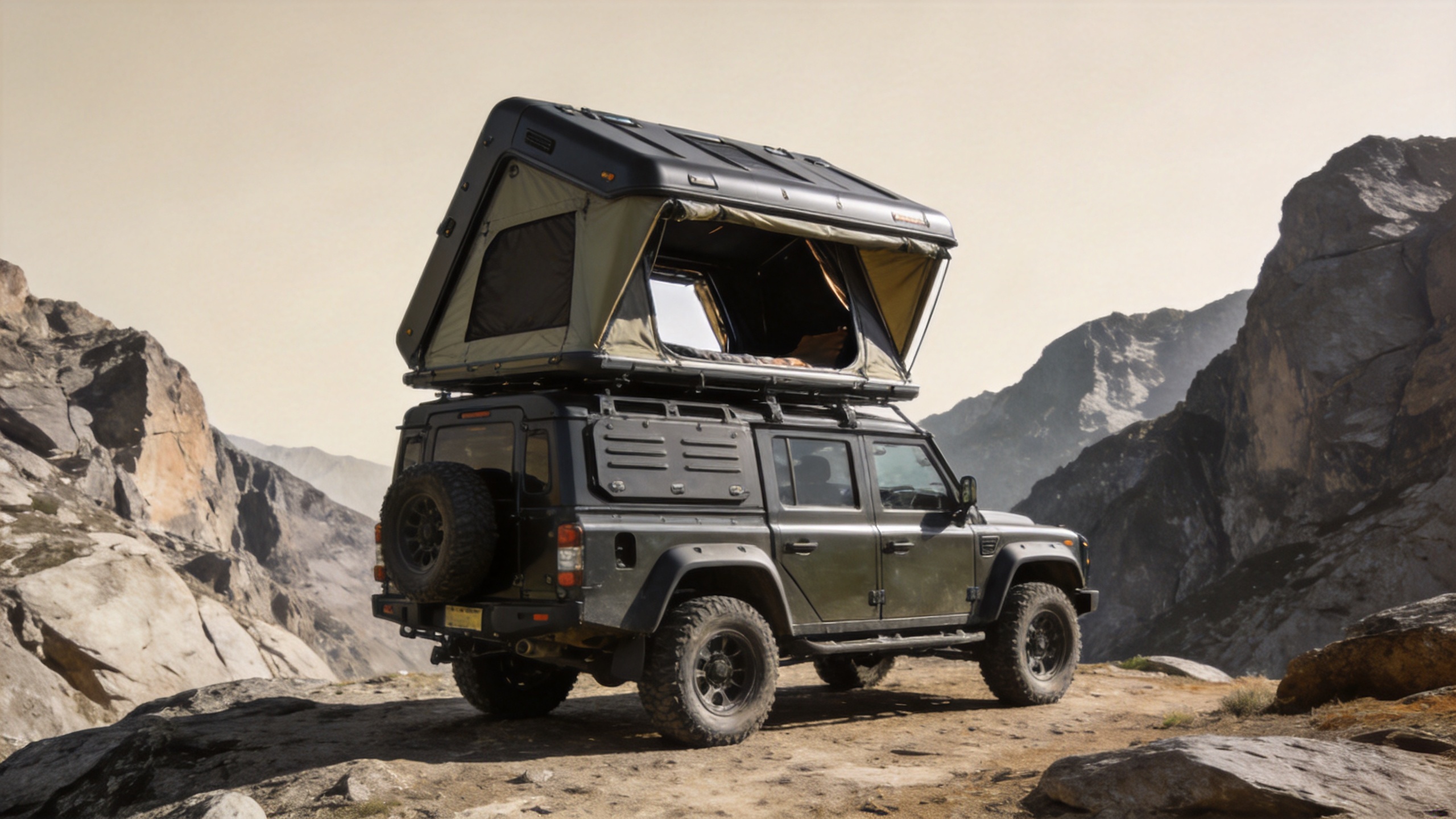
This is the decision most buyers agonize over, and in practice, the trade-offs are more nuanced than marketing suggests. A softshell overlander tent, typically constructed from high-density poly-cotton canvas or reinforced ripstop, offers better insulation, natural breathability, and flexibility in cold conditions where rigid panels can crack under temperature stress. A hardshell overlander tent, usually ABS or aluminum composite, provides faster setup, a lower profile when packed, and better aerodynamics on long highway runs.
If your priority is speed and consistent deployment regardless of temperature, a hardshell overlander tent with solid locking mechanisms is worth the weight premium. If thermal comfort during sustained cold-weather camping above 3,000 meters is the priority, a high-denier canvas softshell overlander tent with a full-coverage rain fly performs better in the field than most spec sheets suggest.
Keep in mind that condensation behavior differs significantly between softshell and hardshell overlander tent types. Hardshell models accumulate interior condensation faster in cold, damp conditions. That's not a flaw in the design — it's a physical property of sealed rigid shells — but it does change your morning routine and pack-down process.
2. Weather Resistance and Fabric Rating
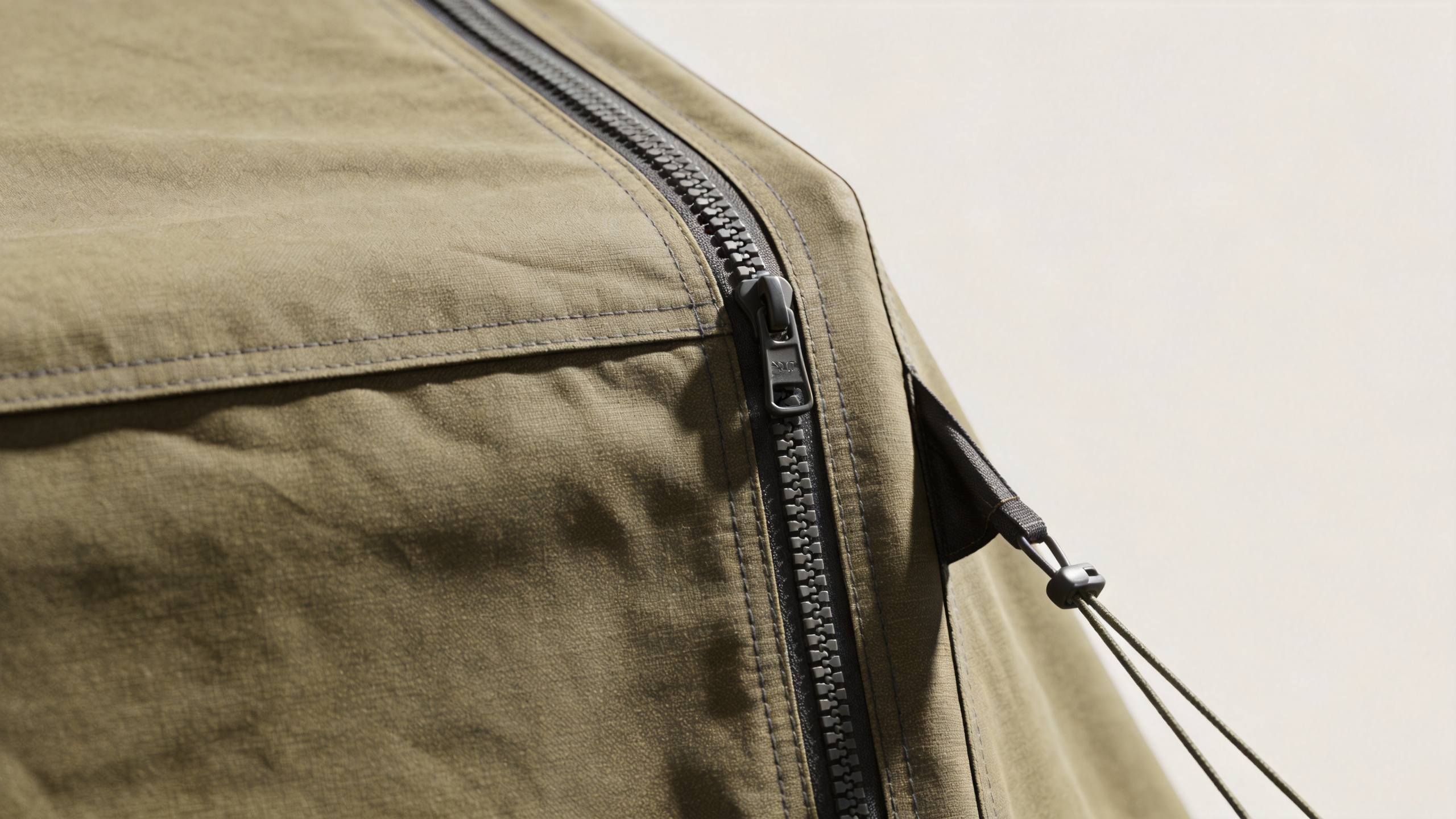
For extreme adventures, the fabric hydrostatic head rating of your overlander tent is a starting point, not a finish line. A 4-season overlander tent should use reinforced fabrics with minimal exposed mesh, multi-layer seam sealing, and pressure-tested zippers. The floor material matters as much as the canopy: sustained rain pooling under a mounted overlander tent creates wicking paths that cheaper floor fabrics fail to block after repeated exposure.
Look for waterproof treatments covering the full overlander tent body, including the base, not just the fly. In wind-driven rain at elevation, there's no practical distinction between the two.
3. Load Capacity and Vehicle Compatibility
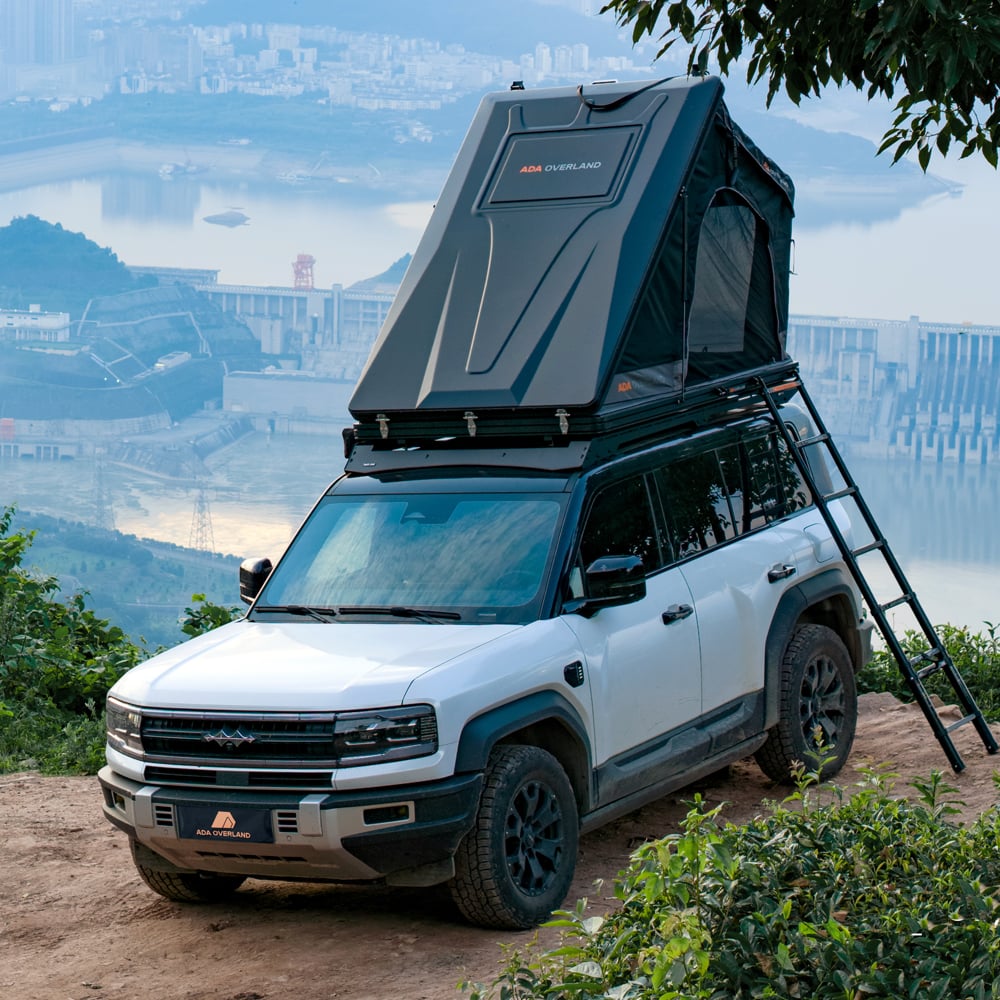
This is where many buyers make a costly mistake when selecting an overlander tent. Most passenger vehicles have a dynamic roof load rating between 100 and 165 lbs — that's the ceiling while the vehicle is moving. When parked, static load capacity climbs to 200–400 kg depending on the vehicle and roof rack system. A well-built overlander tent has a static sleeping capacity of 800–1,000 lbs, but the practical constraint is typically the vehicle's dynamic rating, not the overlander tent itself.
Before selecting an overlander tent by weight category, confirm your vehicle's dynamic load spec directly from the manufacturer, not from aftermarket rack documentation, which is a separate figure. The total load includes the overlander tent, the rack, and any accessories mounted to it. Getting this wrong means either running over the vehicle's structural rating or finding out your rack shifts at highway speed.
4. Setup Speed Under Real Conditions
Setup time in the dark is different from setup time at 2 PM on a sunny day. An overlander tent that deploys in 90 seconds in a parking lot test may require 4–5 minutes when you're working in low light, with cold hands, after 10 hours of driving. The locking mechanism design, ladder deployment, and guy line configuration all factor in.
If late arrivals at campsites or rapid site changes due to weather are part of your routine, look for overlander tent designs with tool-free mechanisms, tactile confirmation at each latch, and minimal loose hardware. An overlander tent that relies on memorizing a setup sequence is one that costs you time when you're already worn down.
5. Build Quality and Structural Integrity
Hardware is where overlander tent longevity is decided. Hinges, struts, latches, and mounting brackets take sustained vibration load every time the vehicle moves. In coastal environments, salt corrosion accelerates hardware degradation in ways that interior fabrics don't show until something fails. Look for stainless or marine-grade hardware at connection points, anodized aluminum or powder-coated steel structural components, and reinforced corner gussets on the overlander tent body.
Structural innovation at the hardware level, including patent-protected mechanisms that manage flex stress differently from off-the-shelf components, is a genuine differentiator between manufacturers who build overlander tent products for long-term field use and those who are optimizing for a launch price point.
Matching the Overlander Tent to Your Adventure Profile
There's no single right answer when it comes to choosing an overlander tent. The criteria above have to map to your actual use case:
- Multi-week high-altitude expeditions: prioritize thermal performance, seam integrity, and fabric weight in your overlander tent selection over setup speed.
- Desert off-road routes: prioritize UV-stable fabrics, ventilation management, and sand-resistant zippers in an overlander tent over insulation.
- Coastal and humid environments: prioritize corrosion-resistant hardware, quick-dry fabrics, and drainage geometry when selecting an overlander tent over pack weight.
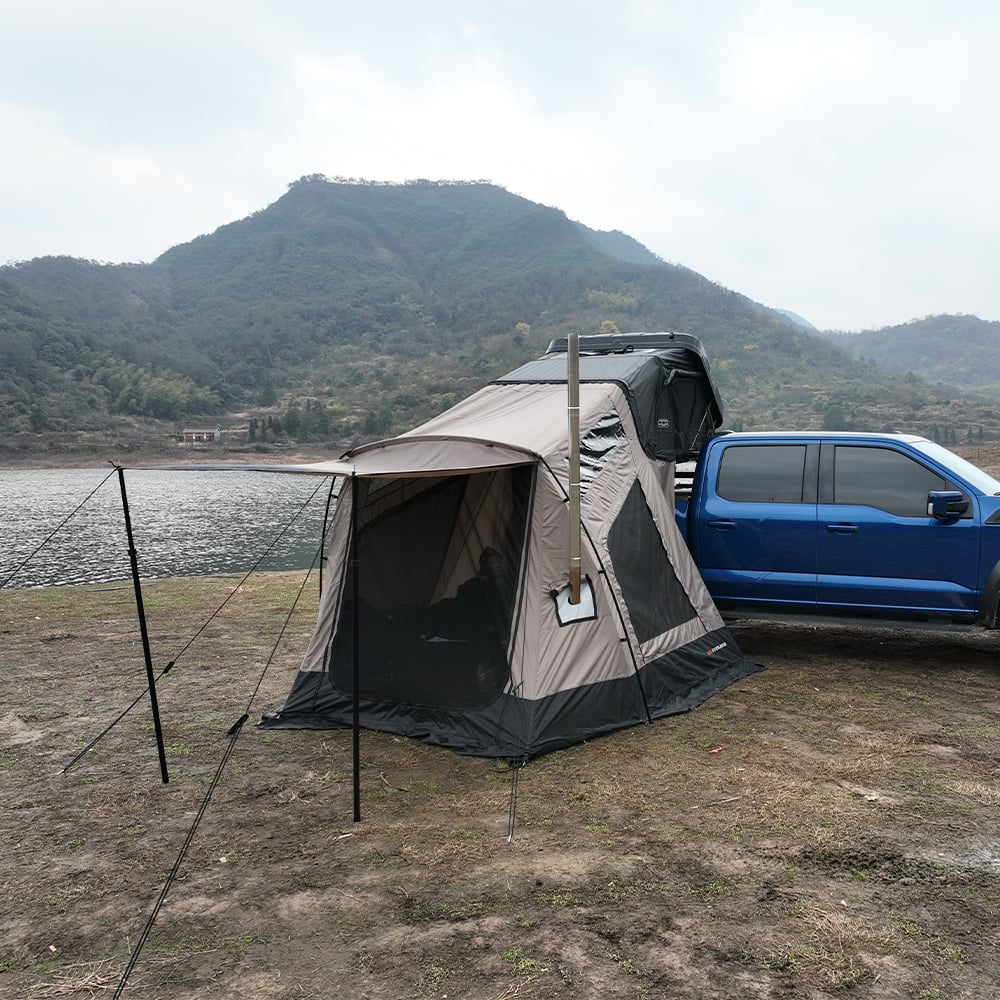
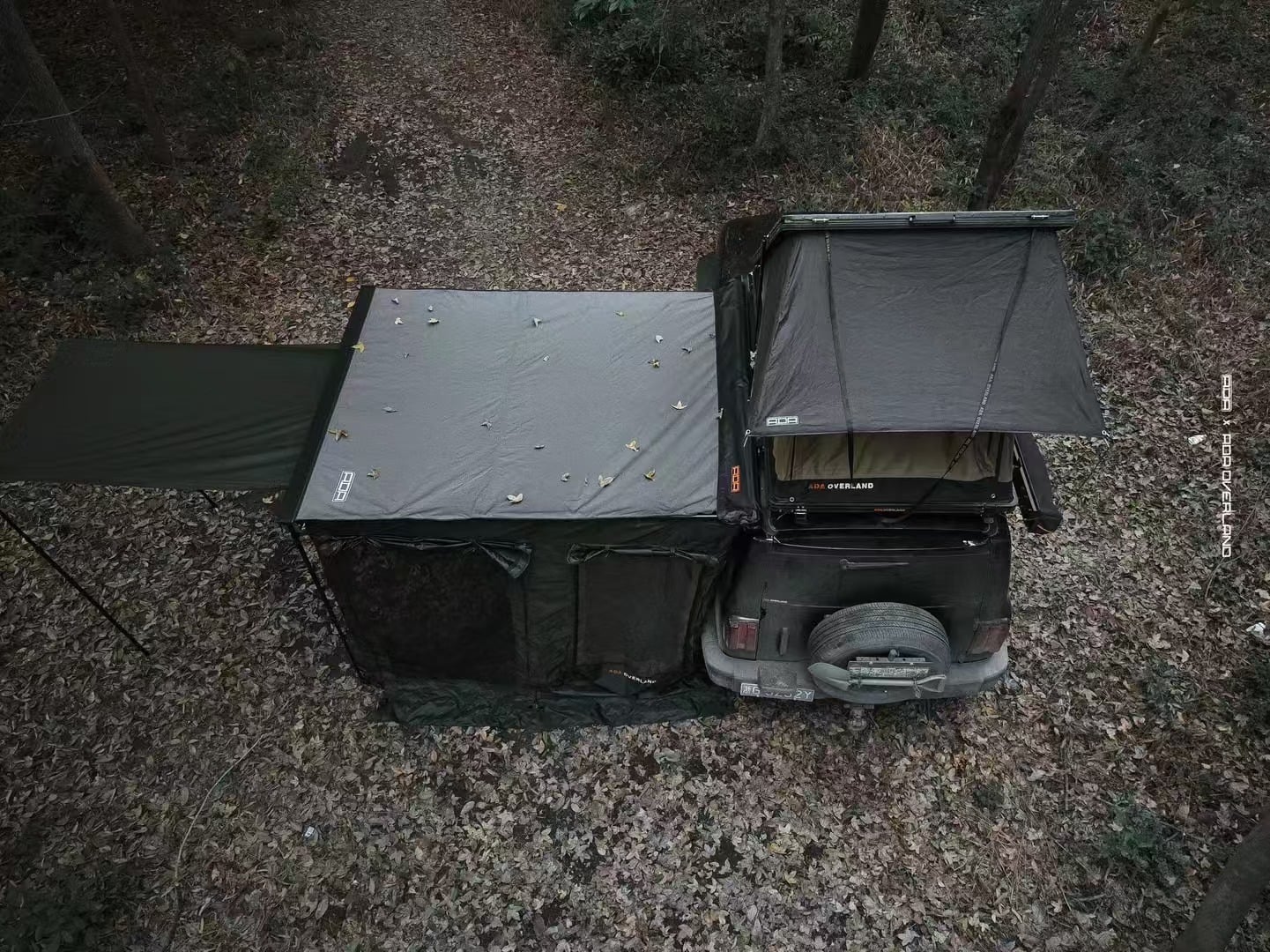
- Mixed terrain, variable conditions: a hardshell overlander tent with a quality annex option tends to perform well across diverse conditions without requiring separate gear.
What Experienced Overlanders Actually Prioritize in an Overlander Tent
After running overlander tent gear through multiple seasons and terrain types, the shift in priorities that comes with experience is pretty consistent. First-time buyers focus on interior dimensions and feature lists. People who have run a few thousand miles focus on hardware longevity, seam performance in sustained rain, and whether the overlander tent's mounting geometry is compatible with their specific rack load distribution.
The spec that gets overlooked most often is condensation management. An overlander tent that traps interior moisture during a 10-day expedition will affect sleep quality, gear condition, and morale in ways that interior space can't compensate for. That usually comes down to fabric breathability and ventilation geometry, not the waterproof rating printed on the label.
Getting the overlander tent selection right for extreme conditions is really a question of knowing which specifications translate to field performance and which ones are easier to sell than to deliver. Match the overlander tent to the conditions you're actually going into.
 Hot News