EN
EN


Co ve skutečnosti znamená označení „náročné použití“ u rovnoběžně žebrované trati
Střecha stanu připevněná k vozidlu, které se pohybuje po nerovné štěrkové cestě rychlostí 25 mph, je vystavena silám, kterým se zemní stan nikdy nevystavuje. Svislé zrychlení, boční smykové síly při průjezdu zatáčkou a neustálé vibrace působí současně na každý šroub, kloub i šev látky. Stan označený jako „náročné použití“, který za těchto podmínek selže, nebyl nikdy za těchto podmínek testován.
Skutečně náročné použití střešní přepravní stany si získává toto označení díky volbě materiálů a konstrukčnímu návrhu, nikoli pouze tlustší látce. Tento rozdíl je důležitý, protože poškození způsobené off-road vibracemi se hromadí nenápadně – mikropraskliny v upevňovacích konzolách střechy, prodloužení švů z neustálého fluktuování látky a opotřebení kloubů, které se neprojeví, dokud není stan nasazen při větru o rychlosti 30 mph a kloub selže pod asymetrickým zatížením.
Střechy střešní přepravní stany pohlcuje nárazy z drobného štěrku na silnici, UV záření a větrné zatížení současně. Plastové skříně z ABS jsou lehké, odolné proti nárazům a cenově výhodné – vhodné pro štěrkové cesty různé kvality i jízdu na dálnicích. Litinové hliníkové skříně, jejichž hmotnost je přibližně o 30 % vyšší než u odpovídajících skříní z ABS, nabízejí vyšší tuhost a lepší odvod tepla. Na nerovných terénních cestách, kde se vibrace přenášejí přímo přes rámovou konstrukci vozidla, vyšší vlastní frekvence hliníku tlumí rezonanci, kterou skříně z ABS přenášejí do kloubových mechanismů.
Skříně ze směsi ABS+ASA představují kompromis. ASA (akrylonitril-styren-akrylát) zvyšuje odolnost základního materiálu ABS vůči UV záření a povětrnostním vlivům, čímž prodlužuje životnost skříní v prostředích s intenzivním slunečním svitem, kde čistý ABS za tři roky žloutne a stane se křehkým. Tato směs dosahuje přibližně 80 % odolnosti hliníku vůči povětrnostním vlivům při pouze 60 % jeho hmotnosti – významný kompromis pro vozidla, která se blíží ke svému maximálnímu povolenému zatížení střechy.
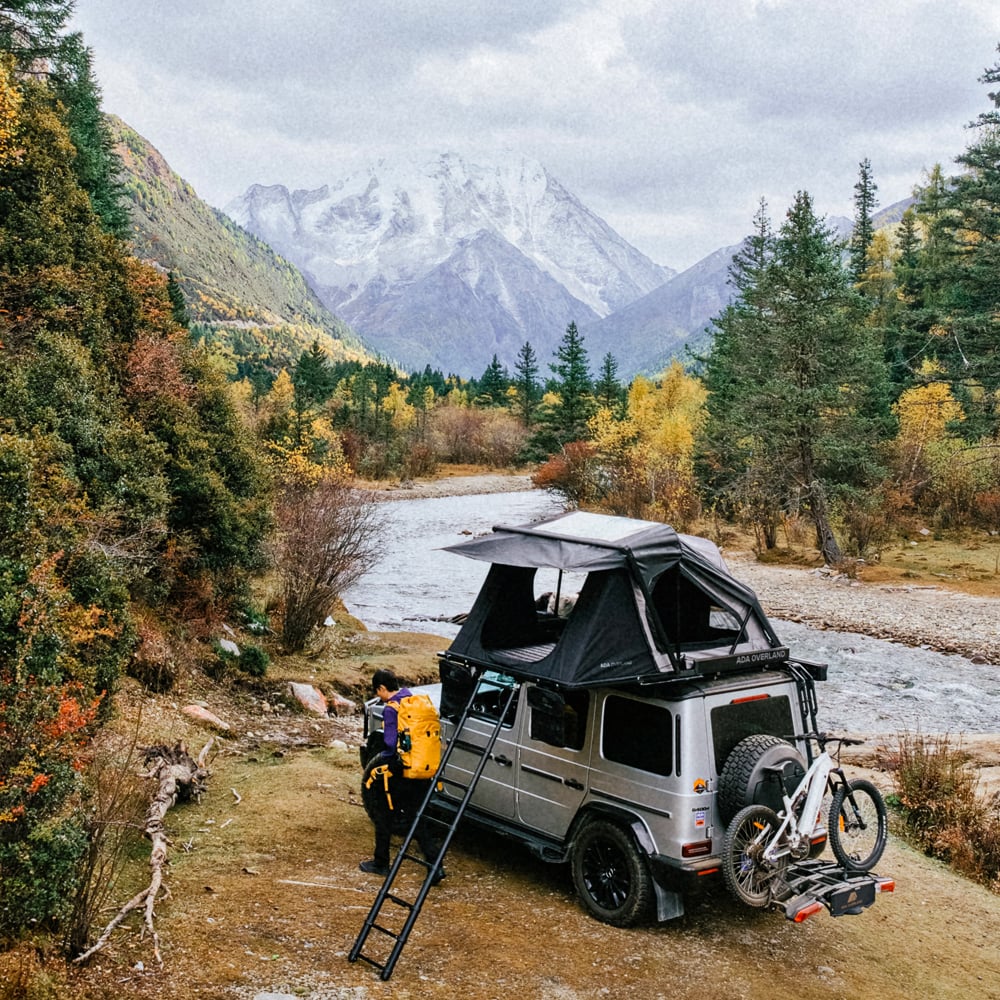
Látka na střešní přepravní stany vydrží tři odlišné stresory, kterým se plátno zemních stanů nikdy nevystavuje. Za prvé, neustálé opotřebení prachem při rychlosti 65 mph během jízdy po dálnici působí jako pískový papír na vystavené povrchy plátna. Za druhé, dlouhodobé expozici UV záření ve výšce – intenzita UV záření se zvyšuje přibližně o 4 % na každých 1 000 stop nadmořské výšky. Za třetí, fluktuace plátna mezi složenými polovinami skořepiny vyvolává únavu s nízkou amplitudou a vysokou frekvencí, která odděluje povlak od základního plátna podél záhybů.
280 g materiál z polyesterového bavlněného ripstopu s PU povlakem řeší všechny tři požadavky. Ripstopový mřížkový vzor – silnější nitě pletené v pravidelných intervalech – zastavuje šíření trhlin. 2 mm trhlina v materiálu bez ripstopového vzoru se během několika hodin při trvalém fluktuujícím namáhání rozšíří na 15 mm. Stejná trhlina v ripstopovém materiálu se zastaví u prvního průsečíku mřížky, obvykle do 2–3 mm. PU povlak poskytuje vodotěsnou bariéru (vodní sloupec 3 000 mm je praktický minimum pro použití při cestách po souši), zatímco bavlněná složka zvyšuje propustnost pro páru a snižuje vnitřní kondenzaci při teplotních výkyvech mezi dnem a nocí.
Plynové tlumiče, které zvedají střešní panel pevného stanu, dělají více než jen usnadňují otevírání. Na střešní přepravní stany s německými plynovými pružinami značky s životností 10 000+ cyklů odolávají tyto podpěrné prvky také vlivu větru při nasazení stanu. Poryv větru o rychlosti 40 mph, který zasáhne otevřenou střechu, vyvolá na okraji střechy zhruba 80 liber zdvihové síly. Odpor plynového podpěrného prvku proti tlaku – jeho tlumená rychlost zpětného nárazu – tuto sílu vyrovná ještě předtím, než se přenese na kloubový čep. Levnější podpěrné prvky s rychlejším zpětným nárazem přenášejí sílu poryvu přímo na kloub, kde celou sílu v smyku přebírá ocelový kolík o průměru 3 mm.
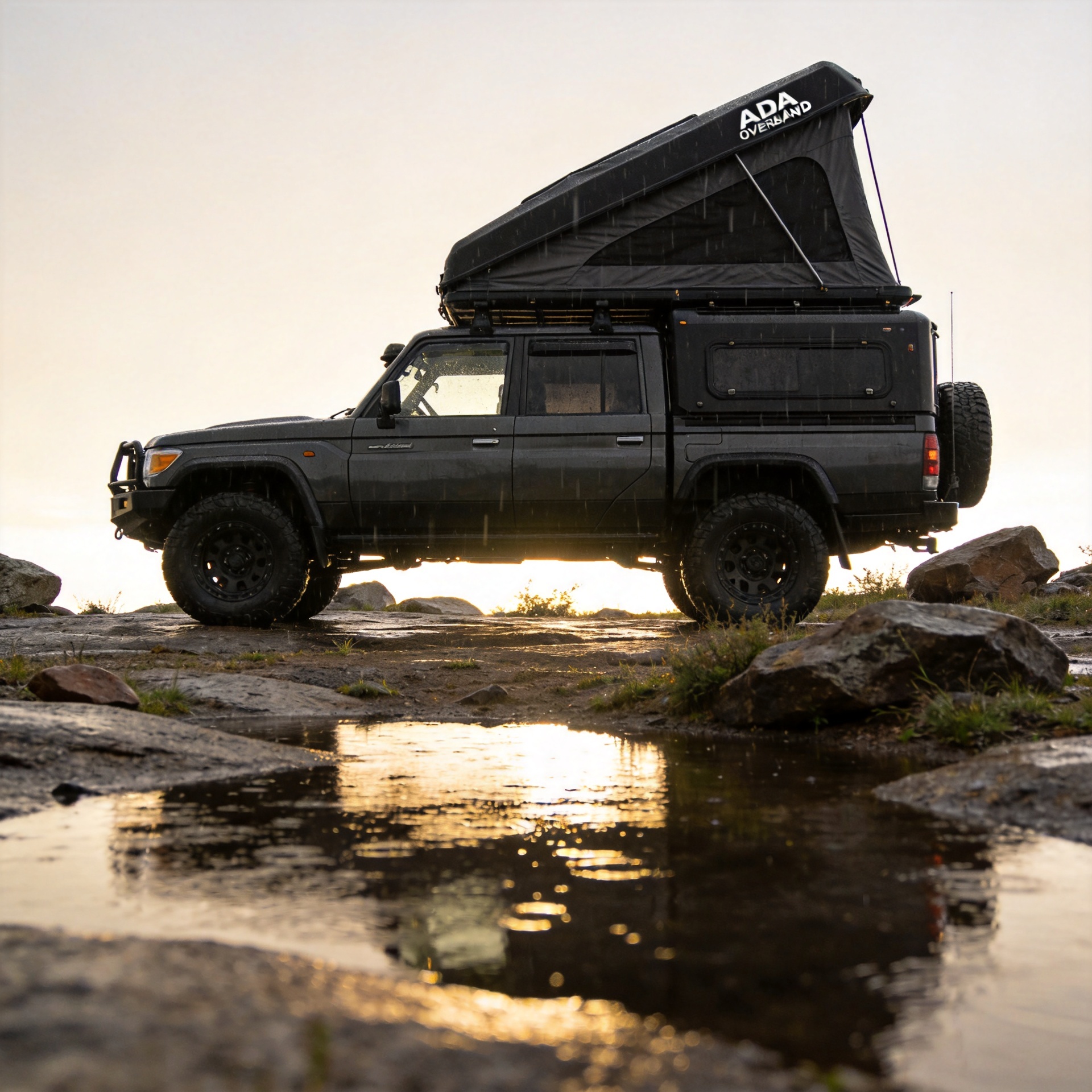
Společnost pro dobrodružné cestování, která provozuje šest vozidel Toyota Land Cruiser po trase Canning Stock Route ve západní Austrálii – 1 150 mil (1 850 km) nerovné pouštní tratě – vybavila polovinu své flotily střechami ABS střešní přepravní stany a polovinu s modely se skříní z litého hliníku. Po 14denní přepravě vykázaly všechny tři stanice se skříní z ABS praskliny jako jemné trhliny v otvorech pro přední upevňovací konzoly, které vyžadovaly opravu epoxidovou pryskyřicí na místě. Stanice se skříní z hliníku měly pouze kosmetické poškození (škrábance), ale žádné strukturální poškození. Provozovatel následně zavedl jako standardní řešení pro nasazení v odlehlých oblastech stanice se skříní z hliníku a stanice se skříní z ABS omezil na pobřežní a lesní trasy s vyasfaltovanými příjezdovými cestami. Rozdíl v ceně za kus přibližně 400 USD byl během jedné sezóny kompenzován úsporou nákladů na opravy prováděné na místě.
Kontrola upevňovacích konzol skříně. U jakéhokoli střešní přepravní stany modelu podrobně prozkoumejte upevňovací konzoly mezi skříní a rámem pomocí zvětšení. Vnitřní rohy konzol by měly mít zaoblení (fillet) – ostré vnitřní rohy o 90 stupňů způsobují soustředění napětí a praskají při vibracích. Konzola s poloměrem zaoblení 3 mm u vnitřních rohů vydrží při cyklickém zatížení přibližně čtyřikrát déle než ekvivalentní konzola s ostrými rohy.
Test opotřebení látky podél záhybů. Skládejte a rozkládejte vzorek látky 20krát podél záhybové čáry, kde se tělo stanu skládá do uzavřené skořápky. Prozkoumejte záhyb pod zvětšením na praskliny povlaku. Viditelné praskliny po 20 cyklech odpovídají přibližně jedné sezóně jízdy po dálnici a předpovídají selhání látky během 18 měsíců.
Měření vůle kloubového spoje. Při nasazeném stanu působte na okraji skořápky boční silou 30 liber a změřte průhyb v oblasti kloubu. Průhyb přesahující 3 mm naznačuje opotřebení ložisek nebo nedostatečný průměr kloubových čepů. U střešní přepravní stany stanů používaných v profilovaném terénu se vůle kloubového spoje zdvojnásobuje každých 12 až 18 měsíců pravidelného používání – stan, který začíná s vůlí 3 mm, dosáhne vůle 12 mm během tří sezón, což znamená, že se skořápka již neskrývá rovně a zarovnání zipu selže.
Nosná konstrukce střešní přepravní stany používají litinové hliníkové nebo ABS+ASA kompozitní skříně, tkaninu s technologií rip-stop o gramáži 280 g/m² a PU povlakem a plynové tlumiče s životností přes 10 000 cyklů. Montážní konzoly mají zaoblené vnitřní rohy, aby se zabránilo trhání materiálu způsobenému dlouhodobým vibracím.
Většina střešní přepravní stany vydrží statickou zátěž 272–408 kg (osoby plus vybavení v parkovaném stavu). Dynamická zátěž – tedy zátěž, kterou střecha vozu nese během jízdy – je určena výrobcem vozidla a obvykle činí 68–100 kg u SUV střední velikosti.
Střešní přepravní stany vyžadují příčné tyče schopné nést hmotnost stanu plus osoby. Původní střešní lišty nestačí. Přídavné střešní nosiče s dynamickým zatížením převyšujícím hmotnost stanu alespoň o 23 kg poskytují dostatečnou bezpečnostní rezervu pro použití v terénu.
Mřížka s technologií rip-stop v střešní přepravní stany látka zastavuje trhliny u prvního průsečíku mřížky, čímž omezuje poškození na 2–3 mm místo toho, aby se šířila. To brání katastrofálnímu selhání látky způsobenému drobnými propíchnutími, např. větvemi stromů nebo odštěpky z povrchu silnice během přepravy.
Německé značkové plynové tlumiče na kvalitních střešní přepravní stany stanou 10 000–15 000 cyklů – což odpovídá přibližně 5–7 letům týdenního používání. Průměrná cena náhrady činí 40–60 USD za jeden tlumič. Příznaky selhávajících tlumičů zahrnují pomalé otevírání, nedokončené zvednutí skříně a neschopnost udržet skříň otevřenou proti větru.
Zkontrolujte všechny upevňovací šrouby na střešní přepravní stany každých 500 mil off-road jízdy. Vlnitý terén předvídatelně uvolňuje spojovací prvky. Použijte momentový klíč a modrou závintovou pastu. Šroub, který vyžaduje více než čtvrt otáčky k dosažení požadovaného utahovacího momentu, již začal uvolňovat a úplně se uvolnil by během dalších 200 mil.
 Nejnovější zprávy
2026-10-14
2026-10-14
2026-10-14
2026-09-23
2026-09-25
2026-09-22

Společnost Zhejiang Ada Outdoor Products Co., Ltd. poskytuje prémiové střešní stan a outdoorové kempovací vybavení pro globální B2B partnery. Více než 8 let zkušeností, více než 60 patentů, přísná kontrola kvality. Důvěřují nám mezinárodní značky. Požádejte ještě dnes o cenovou nabídku pro OEM.