EN
EN
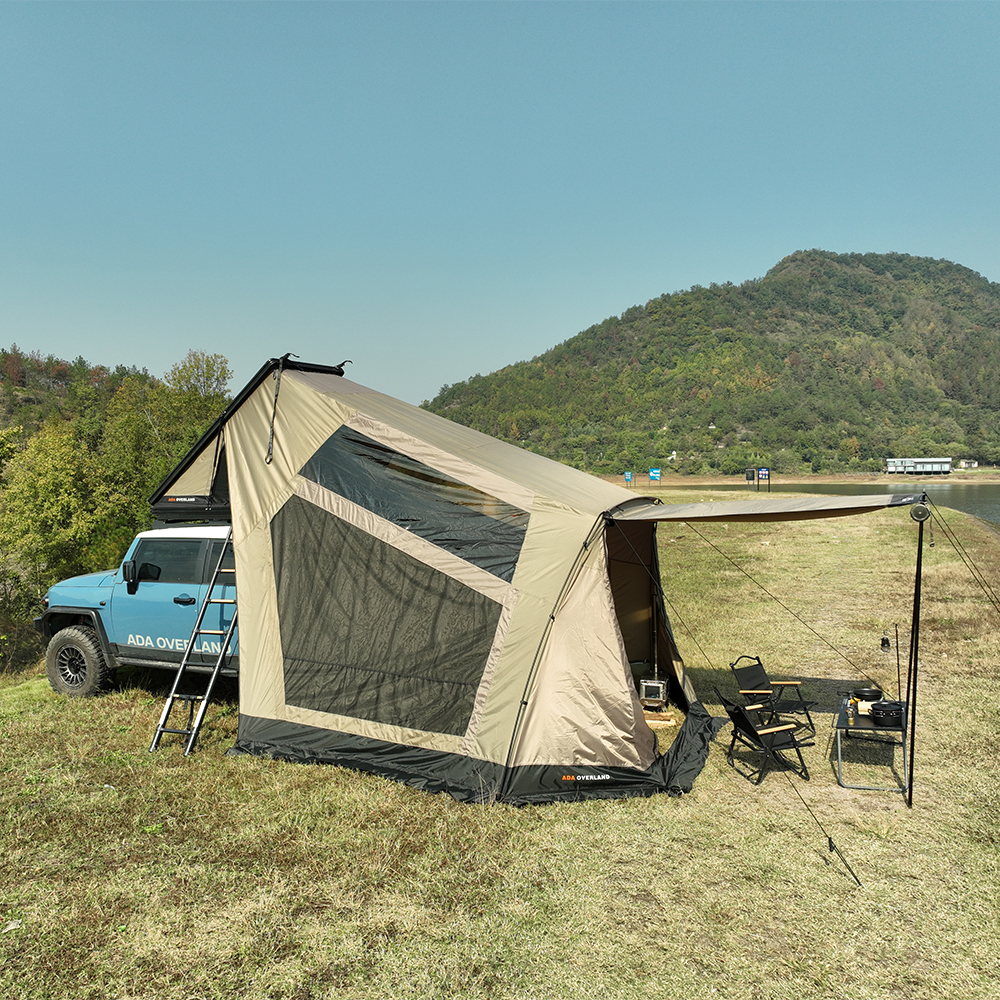
Adventures don’t always wait for clear skies. A high-quality roof top tent is designed to be more than just a fair-weather shelter; it is an engineered component of an off-road vehicle. However, the difference between a cozy night and a miserable experience during a storm comes down to the quality of materials and the logic of the design. Modern expedition gear must withstand high moisture levels and turbulent airflow, turning the vehicle roof into a secure, elevated refuge regardless of the forecast.
Fabric Engineering and Hydrostatic Head Ratings
Waterproofing is not just about a layer of material; it is a system of defenses. Superior tents use heavy-duty, ripstop poly-cotton or specialized polyester fabrics treated with high PU (polyurethane) coatings. A critical metric here is the "hydrostatic head" rating—essentially, the height of a water column the fabric can support before leaking. A high rating combined with factory-taped seams ensures that heavy downpours simply bead off and drain away rather than penetrating the interior.
| Feature | Technical Benefit | Importance |
| Ripstop Weave | Prevents tear propagation | Essential for durability |
| Factory-Taped Seams | Prevents water ingress | Critical for leak prevention |
| High PU Coating | Superior waterproofing | Keeps the interior dry |
Aerodynamics and Wind Stability
High winds present a different challenge: physical force and noise. A well-designed roof top tent minimizes surface area exposed to wind pressure. Hard-shell models offer an aerodynamic advantage, significantly reducing the "flapping" noise often associated with fabric-heavy soft-shell designs. When gusts hit, the structural rigidity of the tent frame becomes the primary line of defense. Proper tensioning of the rainfly and guy-out points is essential, as these distribute kinetic energy across the entire structure rather than focusing it on a single hinge or bracket.
Optimizing Setup for Storm Conditions
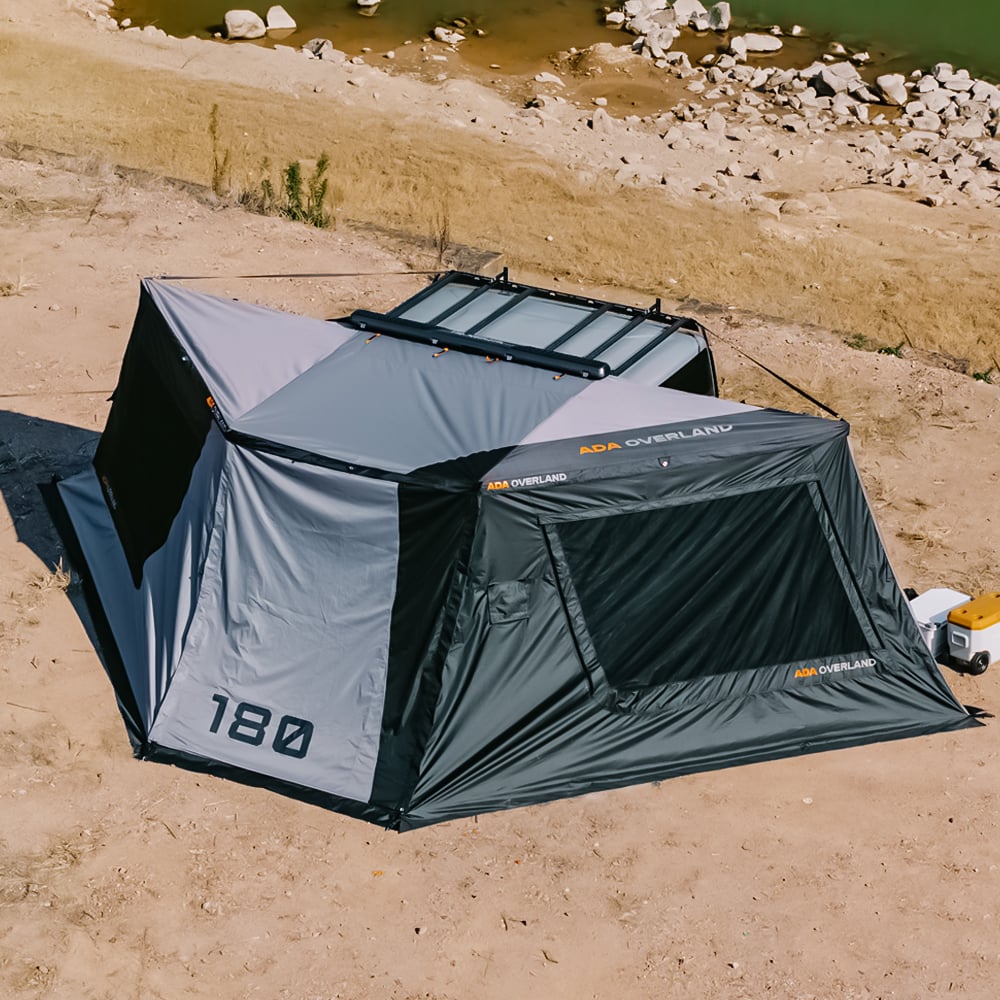
Even the toughest gear needs smart handling. When setting up in heavy wind, parking the vehicle so that the tent faces into or away from the wind—rather than broadside—is a pro tip that significantly reduces stress on the mounting points. Tensioning the rainfly properly is equally important; a loose fly acts like a sail, catching gusts and amplifying noise. Taking a few extra minutes to secure all guy lines and ensuring the tent is fully leveled will keep the interior stable and quiet even in adverse conditions.
| Setup Step | Action | Impact on Stability |
| Vehicle Positioning | Orient tent with the wind | Reduces physical stress |
| Rainfly Tensioning | Tighten all straps/lines | Eliminates noise and vibration |
| Leveling | Use vehicle leveling blocks | Prevents fabric sagging/pooling |
Protecting Your Investment Through Quality Sourcing
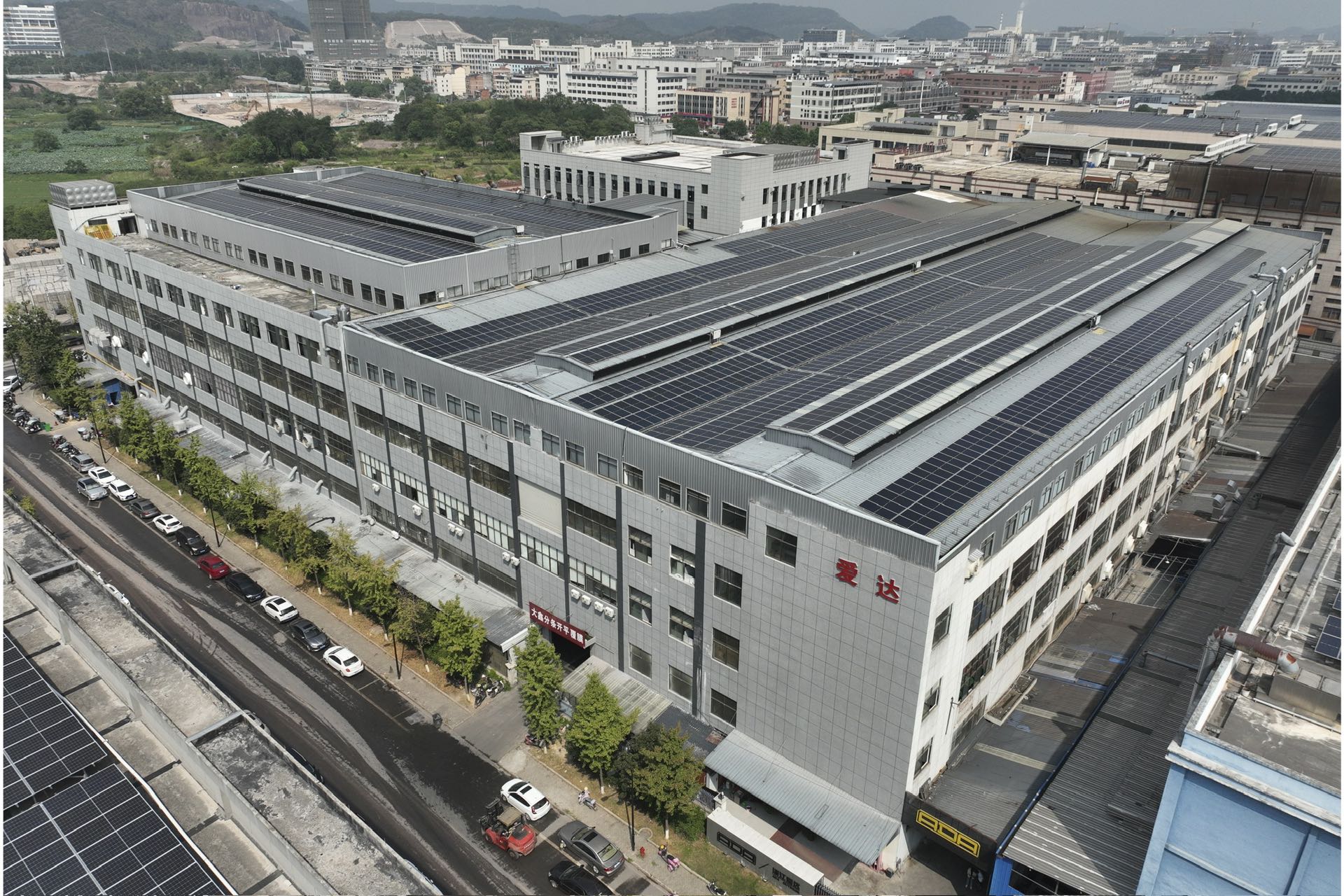
Adventure gear represents a long-term investment in freedom and comfort. Equipment that fails in the backcountry is not just a nuisance; it is a safety concern. High-performance tents require precision manufacturing, from the strength of the aluminum framing to the UV resistance of the fabric. By leveraging robust supply chain partnerships, AdaOverland ensures that every unit meets the rigorous demands of off-road enthusiasts. Quality-controlled fabrication ensures that every roof top tent remains a steadfast shelter, providing the security needed to explore further and stay longer, regardless of what the weather brings.
 Hot News
2026-09-23
2026-09-25
2026-09-22
2026-09-15
2026-09-13
2026-09-06
Zhejiang Ada Outdoor Products Co.,Ltd. provides premium rooftop tents and outdoor camping gear for global B2B partners. 8+ years, 60+ patents, strict QC. Trusted by international brands. Request OEM quote today.