EN
EN


Რამდენი ადამიანი შეიძლება მოთავსდეს სტანდარტულ გარე ტენტში?
Როდესაც კემპინგის მოგზაურობას გეგმავთ და შეძენის საქმეს აწარმოებთ გარე ტენტები , ყუთზე მოთავსებული შეფასების რაოდენობა შეიძლება ნამდვილად მისწრაფებული იყოს. "4-ადამიანიანი" როგორც მონიშნული ტენტი არ ნიშნავს, რომ მასში კომფორტულად ჩაეტევა ოთხი ზრდასრული; ამ ფაქტის გაგება დაგეხმარება ჭკვიანური შეძენის გადაწყვეტილების მიღებაში, სანამ ველზე შეკუმშული აღმოჩნდებით.
Ქვემოთ მოცემულია ინფორმაცია იმ შესახებ, თუ როგორ მუშაობს გარე ტენტების ტევადობის რეიტინგები, რა სტანდარტული ზომები მოიცავს და როგორ შეარჩიოთ სწორი გარე ტენტი თქვენს ჯგუფში არსებული რეალური ადამიანთა რაოდენობის მიხედვით.
Ტენტების ტევადობის რეიტინგების განსაზღვრა
Მწარმოებლები გარე ტენტების ტევადობის რეიტინგებს განსაზღვრავენ იმ საშუალებით, რომ ითვლიან, რამდენი სტანდარტული სიგანის ძილის პადი იტევა ტენტის სივრცეში ერთმანეთის გვერდით. "3-ადამიანიანი" გარე ტენტის სივრცე ჩვეულებრივ იტევს სამ 20 დუйმიან ძილის პადს, რომლებიც ერთმანეთის გვერდით არის განლაგებული მხრებით — არ უფრო მეტს, არ უფრო ნაკლებს.
Ეს გამოთვლა რამდენიმე რეალურ ფაქტორს არ ითვლის:
- Ინვენტარის შენახვა (რაკეტბი, ფეხსაცმელები, საჭმლის ჩანთები)
- Ძილის დროს მოძრაობა და მოხვევის სივრცე
- Საცხოვრებლის ზომის განსხვავება კემპერებს შორის
- Მატრაცის სისქე ან საძინებლის გამბარე პადის სიგანე
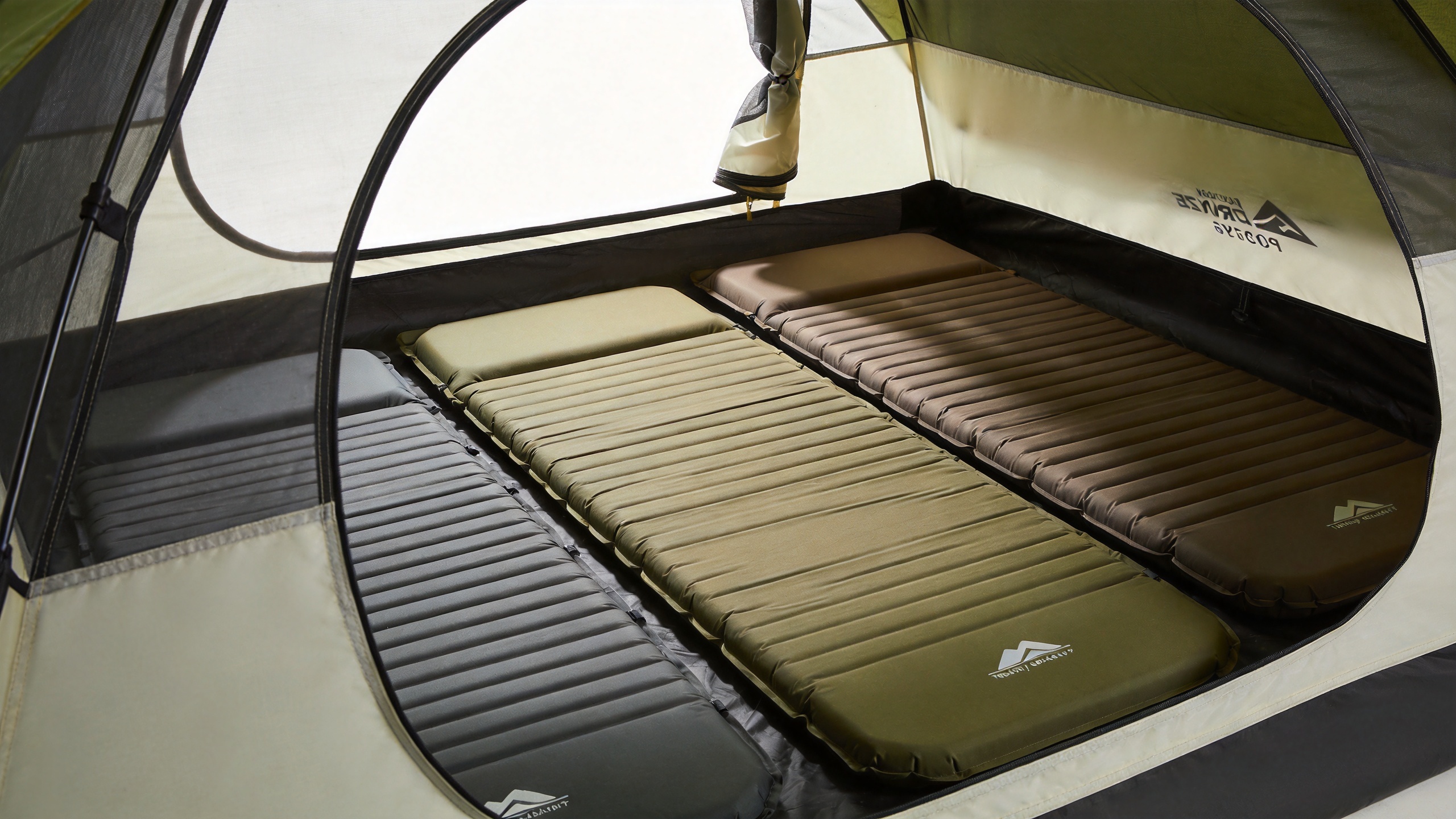
Პრაქტიკაში, გარე ტენტების ტევადობის რეიტინგები დაფუძნებულია საინდუსტრო სტანდარტულ ზომებზე — რამდენი საძინებლის პადი ერთმანეთის წინააღმდეგ იტევიან — არ არის დაფუძნებული რეალურ კომფორტზე. ეს სხვაობა ეტიკეტზე და სიცოცხლეში განხორციელებულ გამოცდილობას შორის პირველად ყიდვის დროს მომხმარებლებს რთულად გამოიკვლევა.
Სტანდარტული გარე ტენტების ზომები და მათი რეალური ტევადობა
Ქვემოთ მოცემულია ყველაზე გავრცელებული გარე ტენტების პიროვნების რეიტინგები და ის, რამდენი ადამიანი მათ რეალურად შეიძლება მოათავსოს:
| Ნომინირებული სიმძლავრე | Საძინებლის ფართობი (მიახლოებით) | Კომფორტული ძილი | Უკეთესი არის |
|---|---|---|---|
| 1-პიროვანი | 20–30 კვადრატული ფუტი | ერთი ადამიანი, მინიმალური შეიარაღება | Ერთობლივი ტრეკინგი |
| ორადამიანიანი | 28–40 კვადრატული ფუტი | ერთი–ორი ადამიანი პატარა ჩანთით | Ერთობლივი ან წყვილი მსუბუქი შეიარაღებით |
| სამადამიანიანი | 45–55 კვადრატული ფუტი | ორი ზრდასრული კომფორტულად | Წყვილი შეიარაღებით ან ორი ზრდასრული და ბავშვი |
| ოთხკაციანი | 55–75 კვადრატული ფუტი | 2–3 ზრდასრული ექიპირებით | Პატარა ოჯახები ან ჯგუფები ექიპირების შესანახად |
| ექვსკაციანი | 80–100 კვადრატული ფუტი | 4–5 ზრდასრული კომფორტულად | Ოჯახური კემპინგი ან ჯგუფური ბაზის ბანაკები |
| რვაკაციანი ან მეტი | 100–140 კვადრატული ფუტი | 5–7 ზრდასრული ადამიანი ექიპირებით | Გაფართოებული ოჯახი ან ბაზის კორპუსის ჯგუფები |
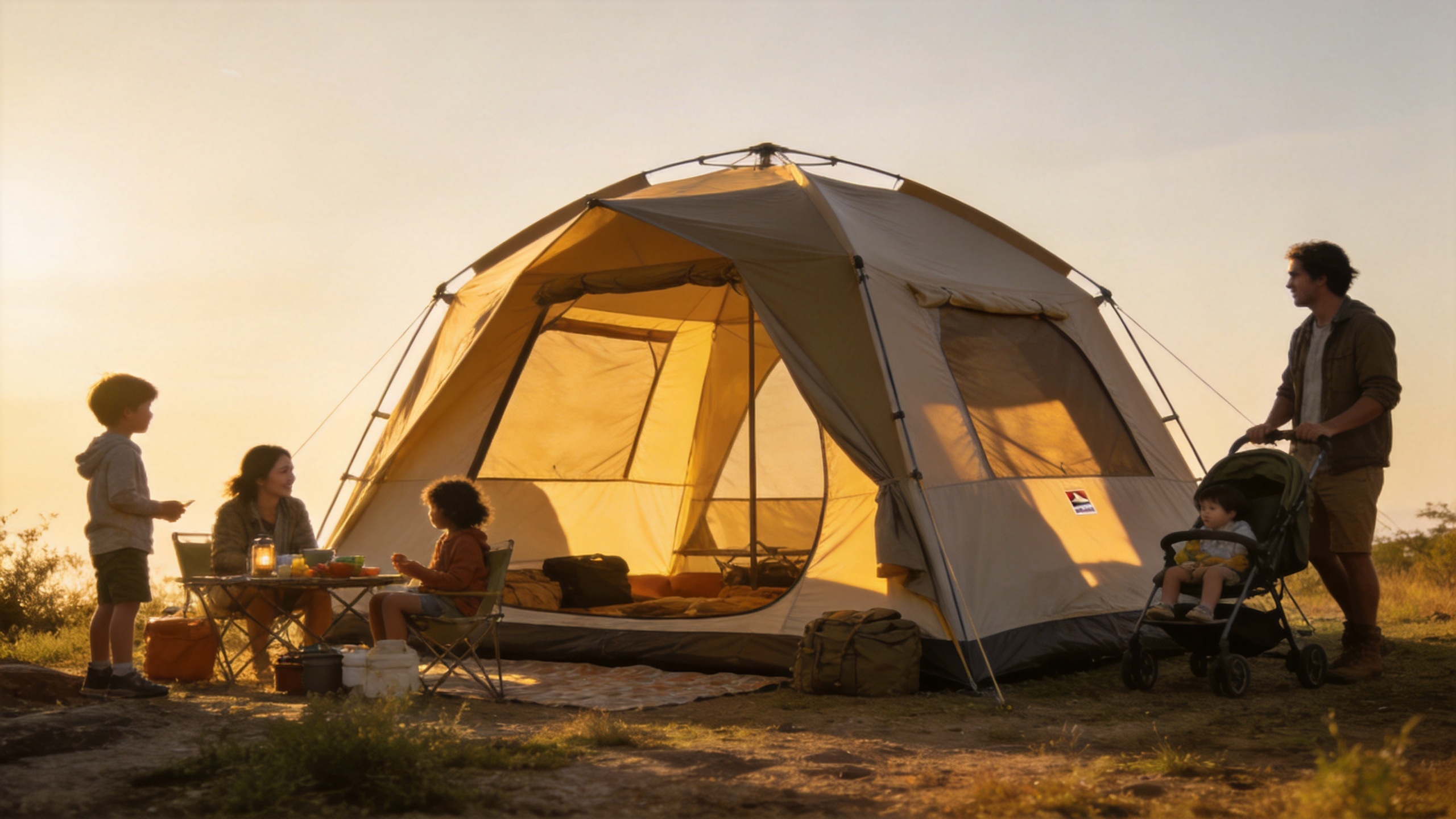
Ზემოთ მოცემული რიცხვები დაფუძნებულია სტანდარტულ მართკუთხა სივრცეზე, რომელიც ტიპურია მანქანით კემპინგის აღარაბინადრო ტენტებისთვის. საყვარელი ფორმის აღარაბინადრო ტენტები და ტუნელის ფორმის ტენტები შეიძლება ჰქონდეს შევიწროებული კედლები, რაც კიდევ უფრო მეტად ამცირებს გამოყენებად სივრცეს.
Რას ნიშნავს "4 ადამიანის აღარაბინადრო ტენტი"?
Ეს არის კითხვა, რომელზეც უმეტესობა ყიდვის დროს არასწორად პასუხობს. 4 ადამიანის რეიტინგის მქონე აღარაბინადრო ტენტი ტექნიკურად შეიძლება მოათავსოს 4 ძილის პადი, რომელთა სიგანე 20 ინჩია — მაგრამ 4 სრულზრდა ადამიანი ღამის გასატარებლად სჭირდებარე ექიპირებით იძილებს ერთმანეთს და ნახევარი ღამე ხარჯავს ჩანთების ხელახლა განლაგებაში. უმეტესობა გამოცდილი კემპერები რეკომენდაციას აძლევენ კომფორტულად ძილის გასატარებლად მინიმუმ ერთი ადამიანის რეიტინგით უფრო დიდი ტენტის არჩევას.
Ამიტომ 4 ადამიანის აღარაბინადრო ტენტი კარგად მუშაობს:
- Ორი ზრდასრული ადამიანის სრული კემპინგის ექიპირებით გაშლილი მდგომარეობით
- Ორი ზრდასრული ადამიანის და ერთი ბავშვის საძილო სივრცით დამატებითი ადგილით
- Სამი ზრდასრული ადამიანის მჭიდრო ძილით და მინიმალური პერსონალური ექიპირებით ტენტის შიგნით
Თუ თქვენი პრიორიტეტი კომფორტია — შეძლება თავისუფლად ჯდომა, ტანსაცმლის შეცვლა და გარეული სივრცეში ჩაბარებული ბოტების შენახვა — 6 ადამიანის გარეული კოშკი უფრო რეალისტული არჩევანია ოთხი ზრდასრულისთვის. ამ აზროვნების გადატანა «რამდენი იყოს შესაძლებელი ჩასასველად»-დან «რამდენი იძინებს კომფორტულად»-ში სრულიად ცვლის გარეული კოშკების არჩევის შეფასების ფრეიმვორკს.
Ფაქტორები, რომლებიც ზემოქმედებენ გარეული კოშკის მიერ შესაძლებელი ადამიანების რაოდენობაზე
Საერთო სივრცის გარდა, რამდენიმე რეალური ცვლადი ზემოქმედებს კოშკის შიგნით მოსაწყობარო სივრცის ფაქტობრივ გამოყენებაზე:
Კოშკის დიზაინი და კედლის კუთხე
Ვერტიკალური კედლები, როგორიცაა კაბინის სტილის გარეული კოშკებში, მაქსიმიზირებს სასიცოცხლო სიმაღლეს და ნამდვილ საძინებლის ფართობს. დომის სტილის გარეული კოშკები მაღალი კედლის კუთხით ამცირებენ სასარგებლო სივრცეს კიდეებთან — ძილის პადების კიდეებზე გადატანა შეიძლება მოახდინოს ნაკლებად კომფორტულად, თუნდაც კვადრატული ფართობი საკმარისად ჩანდეს საბუთებში.
Სასაქონლო სივრცე ინვენტარისთვის
Კარგად შემუშავებული გარე ტენტი საწყობარო საგნების შენახვას ამყოფებს ვესტიბულში, არა მთავარ ძილის კომპარტიმენტში. როცა გარე ტენტებს ვესტიბული არ აქვთ, თქვენი ყველა საგანი ძილის სხეულებს ერთად ებრძვის იატაკის სივრცეს. ორი ზრდასრული 2-ადამიანიან გარე ტენტში ვესტიბულის გარეშე თავიანთი ჩანთების გვერდით იძინებს — რაც ძირითადი მიზეზია იმის, რომ მყიდველები ტენტს ძალიან პატარა მიაჩნევენ.
Ამინდი და სეზონი
Ცივ ამინდში კემპინგის დროს ძილის ჩანთები უფრო მოცულობიანია, ხოლო კემპერები ტენტის იატაკზე ტარებენ რამდენიმე ტანსაცმლის ფენას. ეს ამცირებს ეფექტურ ძილის სიგანეს გარე ტენტებში. ტენტი, რომელიც ზაფხულში საკმარისად გამოიყურება, შეიძლება გამოჩნდეს მოკლე ზამთრის მოგზაურობას დროს, როცა ტენტის შიგნით გადაიყვანება რამდენიმე ტანსაცმლის ფენა, ფეხსაცმლის შიგნით მოსადევნებლები და სითბოს შესანარჩუნებლად გამოყენებული აქსესუარები.
Შვილები და ზრდასრულები
10 წლამდე შვილები გარე ტენტებში დაკავებენ ზრდასრულის მიერ დაკავებული იატაკის სივრცის დაახლოებით ნახევარს. 4-ადამიანიან გარე ტენტში უხეშად შეიძლება განათავსოთ ორი ზრდასრული და ორი პატარა შვილი უმეტეს შემთხვევაში — თუმცა, მოზარდები ითხოვენ იმავე იატაკის სივრცეს, რასაც ზრდასრულები.
Სახურავზე მოწყობილი ტენტები: სხვა ტიპის ტენტების ტევადობის ლოგიკა
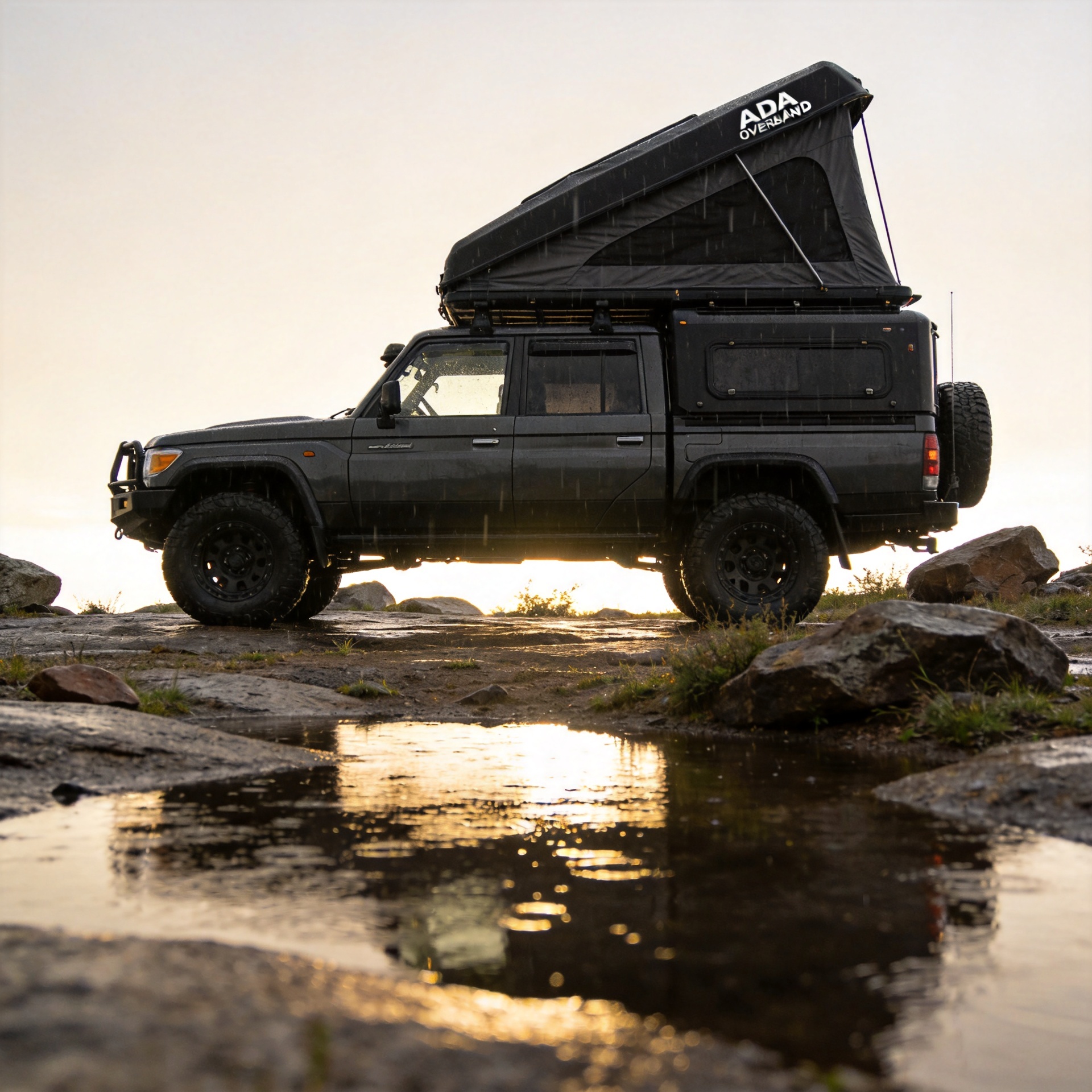
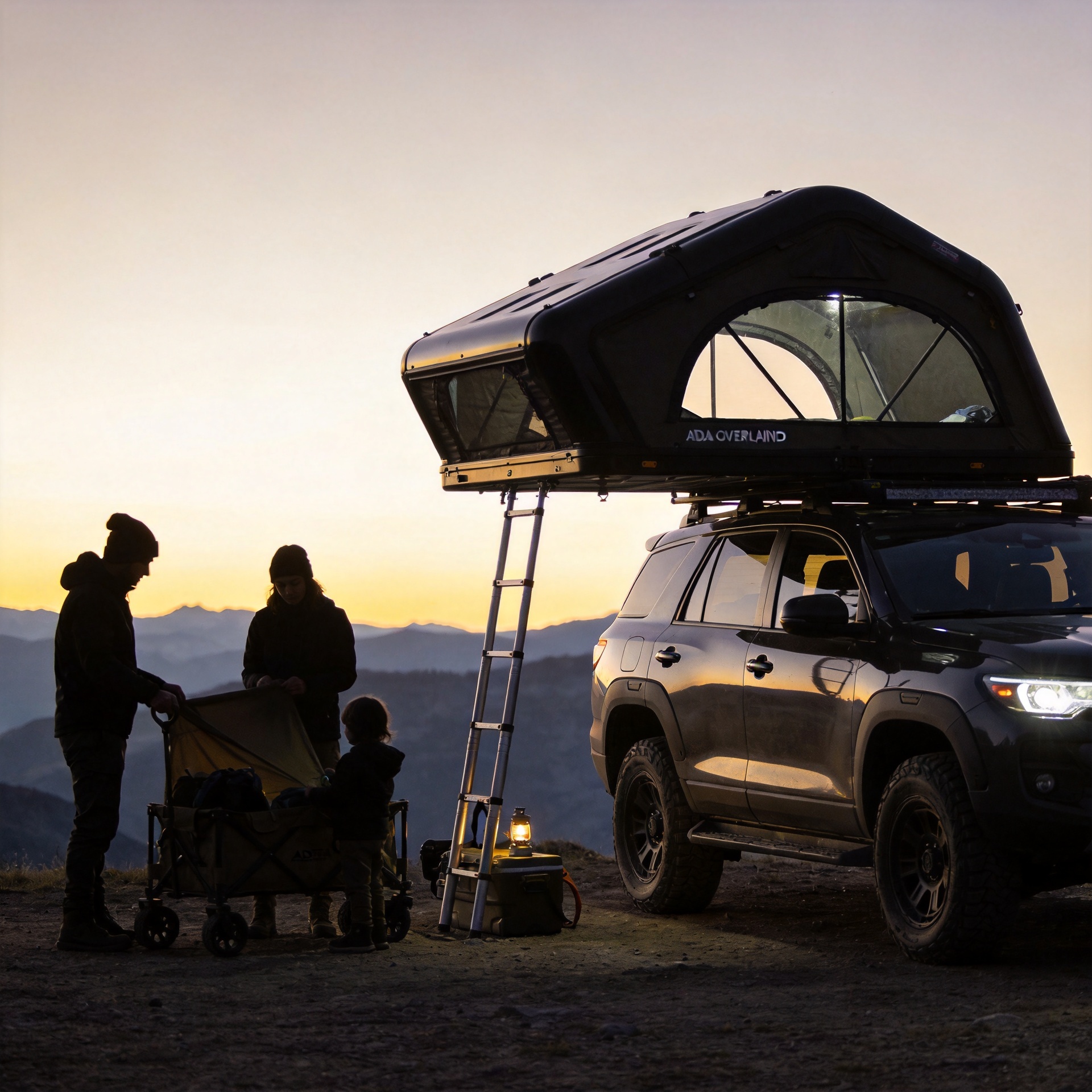
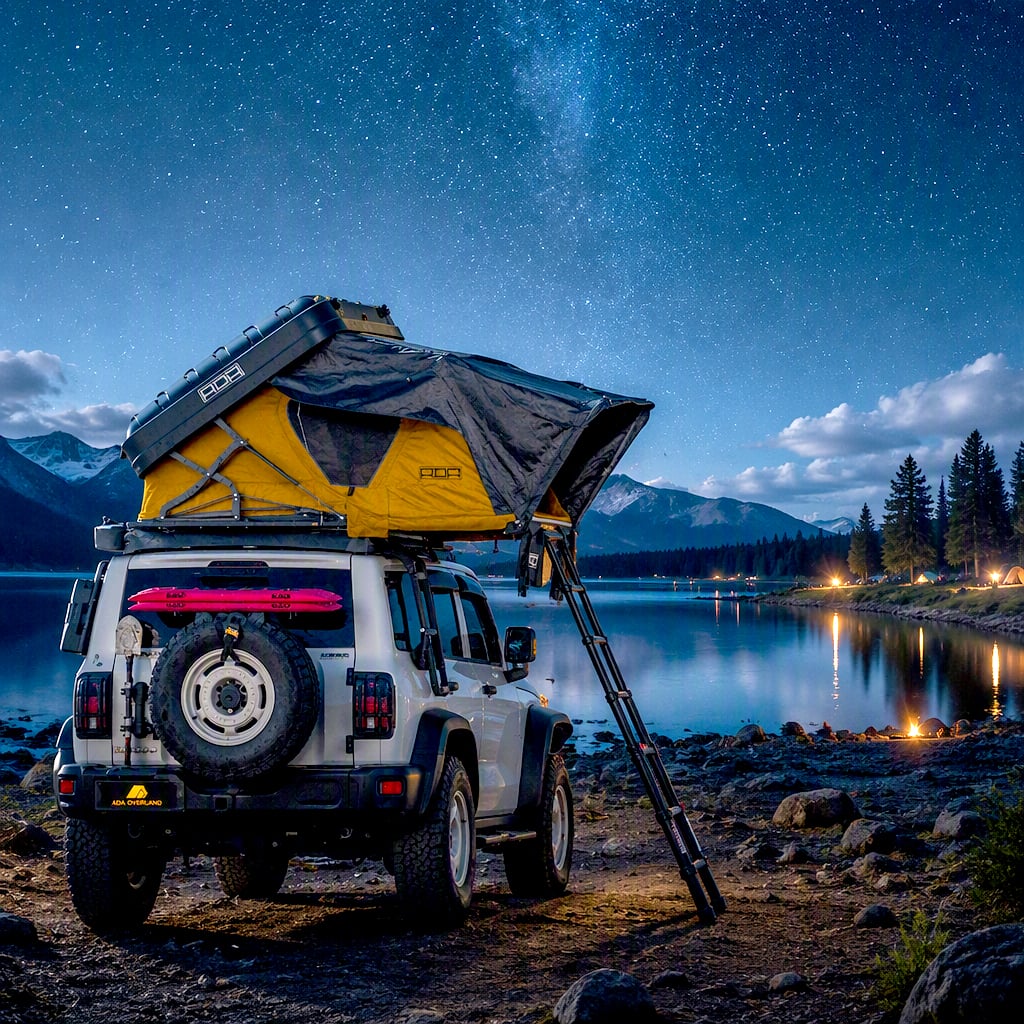
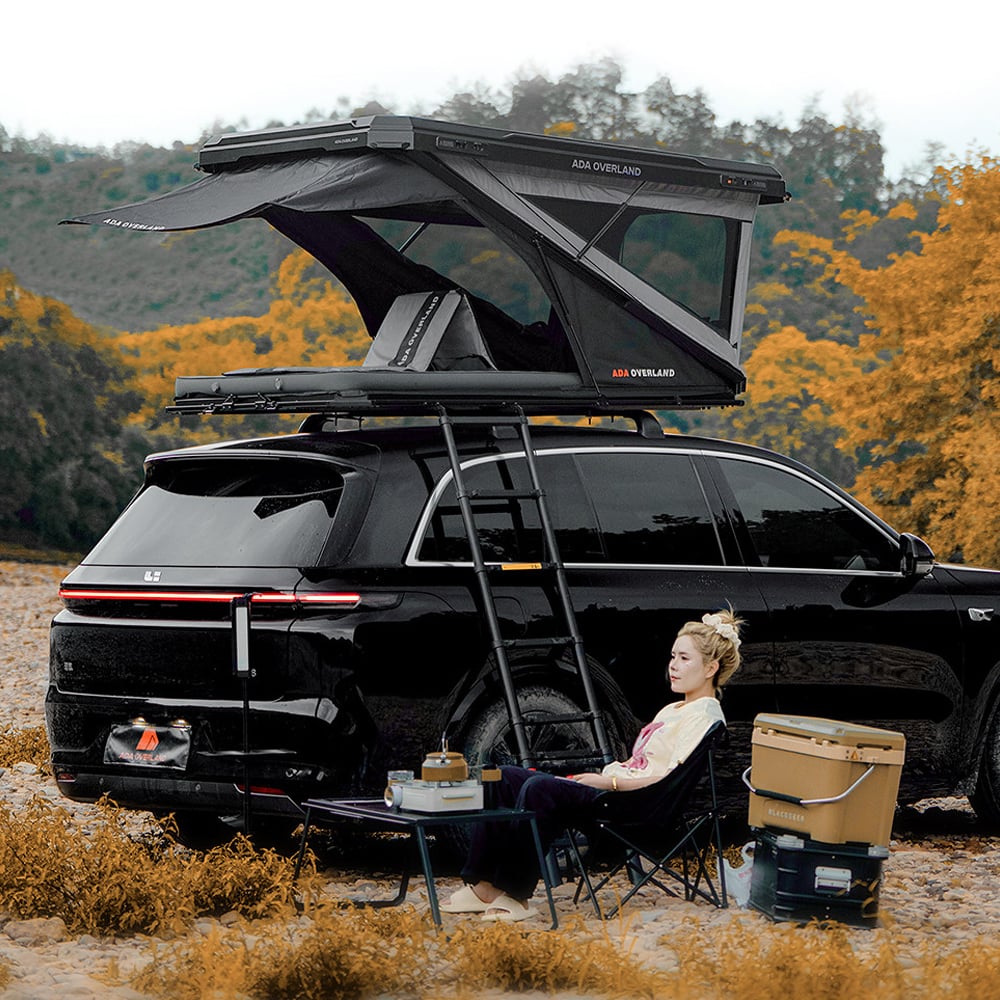
Სახურავზე მოწყობილი გარე ტენტები — რომლებიც მოწყობილია სატრანსპორტო საშუალების სახურავის რეილზე — მუშაობენ სხვა ტიპის ტევადობის მოდელზე, ვიდრე მიწაზე მოწყობილი გარე ტენტები. რადგან ძილის ფართობი ფიქსირებულია სატრანსპორტო საშუალების სახურავის ზომის მიხედვით, ტევადობა განისაზღვრება მატრაცის ზომებით, არა კი მოქნილი სივრცის განლაგებით.
Უმეტესობა სახურავზე მოწყობილი გარე ტენტები ერთი ან ორი ზრდასრული ადამიანისთვის არის შექმნილი. უფრო დიდი მყარი და ხელოვნური სახურავის გაფართოების კონფიგურაციები შეიძლება მოეთავსოს სამი ან ოთხი ადამიანისთვის, მაგრამ ძილის ძირითადი ადგილი ჩვეულებრივ ერთდროულად მოეთავსება ორი ზრდასრული ადამიანის და მათი აღჭურვილობა სატრანსპორტო საშუალებაში ქვემოთ ინახება. გარე მოგზაურობისა და სატრანსპორტო საშუალებით კემპინგის დროს სახურავზე მოწყობილი გარე ტენტები სტაბილურ და აწევილ ძილის ზედაპირს აძლევენ, რაც არიდებს ტრადიციული გარე ტენტების გამოყენების დროს ხშირად მომხდარ მიწის ტენიანობის პრობლემას — ეს პრაქტიკული უპირატესობა ტევადობის განსხვავებას მიუხედავად მნიშვნელოვანი არის.
Როგორ აირჩიოთ თქვენს ჯგუფს შესატყოვნებლად გარე ტენტის ზომა
Ნაცვლად იმისა, რომ მიიღოთ მოცემული პირთა რაოდენობა როგორც არსებული, გამოიყენეთ ეს ზომის განსაზღვრის ლოგიკა გარე ტენტების შეფასებისას:
- Დათვალეთ თქვენი ფაქტობრივი ჯგუფის ზომა. Დაიწყეთ იმ მოზრდილებისა და ბავშვების რეალური რაოდენობით, რომლებიც გარე ტენტში გადაიძინებენ.
- Დაამატეთ ერთი ადამიანის რეიტინგი სასტუმრო ნივთებისთვის. Თუ თქვენ ხართ სამი მოზრდილის ჯგუფი, მაშინ როგორც საწყისი წერტილი შეხედეთ 4-ადამიანიან გარე ტენტებს.
- Შეამოწმეთ საძინებლის ზომები, არ მხოლოდ რეიტინგი. Ორი გარე ტენტი, რომლებიც ორივე 4 ადამიანისთვის არის შეფასებული, შეიძლება განსხვავდებოდეს 15–20 კვადრატული ფუტით — ყოველთვის შეადარეთ ფაქტობრივი საძინებლის ზომები.
- Გაითვალისწინეთ ვესტიბიული. Გარე ტენტი დიდი ვესტიბიულით საშუალებას გაძლევთ შეინახოთ ნივთები საძინებლის გარეთ, რაც ეფექტურად არამრავლებს თითოეული ადამიანის სასარგებლო სივრცეს შიგნით.
- Შეარჩიეთ თქვენს კემპინგის სტილს შესატყოლებლად. Ბეკპეკერები წონას უფრო მნიშვნელოვნად მიიჩნევენ, ვიდრე სივრცეს; მანქანით კემპინგის მომხმარებლებსა და მოგზაურებს შეუძლიათ სიმშვიდის მიზნით გარე ტენტების ზომის გაზრდა.
Გარე ტენტების ტევადობას შესახებ ხშირად დასმული კითხვები
Შეიძლება თუ არა 2-ადამიანიანი გარე ტენტი მოეთავსოს 3 ადამიანი?
Ტექნიკურად კი — სამი ბავშვი ან სამი ძალიან მცირე ზომის ძილის მომხმარებელი შეიძლება მოეთავსოს — მაგრამ სამი ზრდასრულისთვის 2-ადამიანიანი გარე ტენტი ძალიან ვერ მოეთავსება. სამი ზრდასრულისთვის მინიმალური ზომა არის 3-ადამიანიანი გარე ტენტი, ხოლო 4-ადამიანიანი გარე ტენტი უფრო კომფორტული იქნება.
Რა არის საშუალო სივრცე ერთი ადამიანისთვის გარე ტენტებში?
Ინდუსტრიის სტანდარტი არის დაახლოებით 20 კვადრატული ფუტი ერთი ადამიანისთვის, რაც სტანდარტული ძილის პადების ზომებზე დაყრდნობით გამოითვლება. კომფორტული კემპინგის გამოცდილების მისაღებად და დღიური ჩანთის გარე ტენტებში შესანახად, განაკვეთეთ 25–30 კვადრატული ფუტი ერთი ადამიანისთვის.
Ოჯახური გარე ტენტები იგივე ტევადობის წესებს მისდევენ?
Კი — ოჯახის ზომის გარე ვერძები, რომლებიც 8 ან 10 ადამიანს მოიტანს, იყენებენ იგივე ძილის პადების მეთოდოლოგიას. 10 ადამიანის გარე ვერძი ფაქტობრივად კომფორტულად იტევს 6–8 ზრდასრულს ტიპიური კემპინგის აღჭურვილობით. ოჯახები შვილებით უფრო ადვილად იყენებენ ვერძის სრულ შესაძლებლობას, ვიდრე ზრდასრულთა ჯგუფები.
Რა არის გარე ვერძების უდიდესი სტანდარტული ზომა?
Მომხმარებლის დონის კემპინგის გარე ვერძები ჩვეულებრივ 12 ადამიანის ტევადობამდე მიდის. ამ ზღვარს გადასახაზად გამოიყენება სპეციალიზებული ღონისძიების სახურავები და ექსპედიციური საცხოვრებლები. უმეტეს შემთხვევაში ოჯახური კემპინგის ჯგუფებისთვის 6-დან 8 ადამიანის გარე ვერძი აკმაყოფილებს უმეტეს საჭიროებას.
Საბოლოო აზრები
„რამდენი ადამიანი შეიძლება განთავსდეს სტანდარტულ გარე ტენტში?“ — ამ კითხვაზე პასუხი თითქმის ყოველთვის ერთსა და იმავეს გულისხმობს: ნიშნულზე ნაკლები, რაც სრულიად ნორმალურია, როდესაც ეს წესი ცნობილია. გარე ტენტების ტევადობის მითითები ინჟინერული სტანდარტებია, არ არის კომფორტის გარანტიები. გამოცდილი კემპერების ყველაზე მუდმივი რეკომენდაცია არის ერთი ადამიანით მეტი ტევადობის ტენტის არჩევა — ეს არის ის სხვაობა, რომელიც განსაზღვრავს კარგად ძილს ველზე ან იმ მდგომარეობას, როცა გამოკლებული კვადრატული ინჩების რაოდენობას თვლით გამოუძინებლობაში.
Როგორც ასეთი საკითხი არ არის მნიშვნელოვანი მხოლოდ საკვირაო ავტომობილით კემპინგის გამოსაწყობარობის დროს ორი ადამიანისთვის, ასევე მთელი ოჯახის მოსაწყობარობის დროს ერთთვიან გადასასვლელ მარშრუტზე — სწორი გარე ტენტის არჩევა თქვენს რეალურ ადამიანთა რაოდენობას და საჭიროების შესაბამად სასაქონლო და ადამიანთა მოძრაობის სივრცის გათვალისწინებით მეტად განსაზღვრავს კემპინგის გამოცდილობას, ვ чем სხვა ნებისმიერი ერთეული აღჭურვილობის არჩევა.
 Ახალი სიახლეები