EN
What is an ADA tent and why is it popular for overlanding?
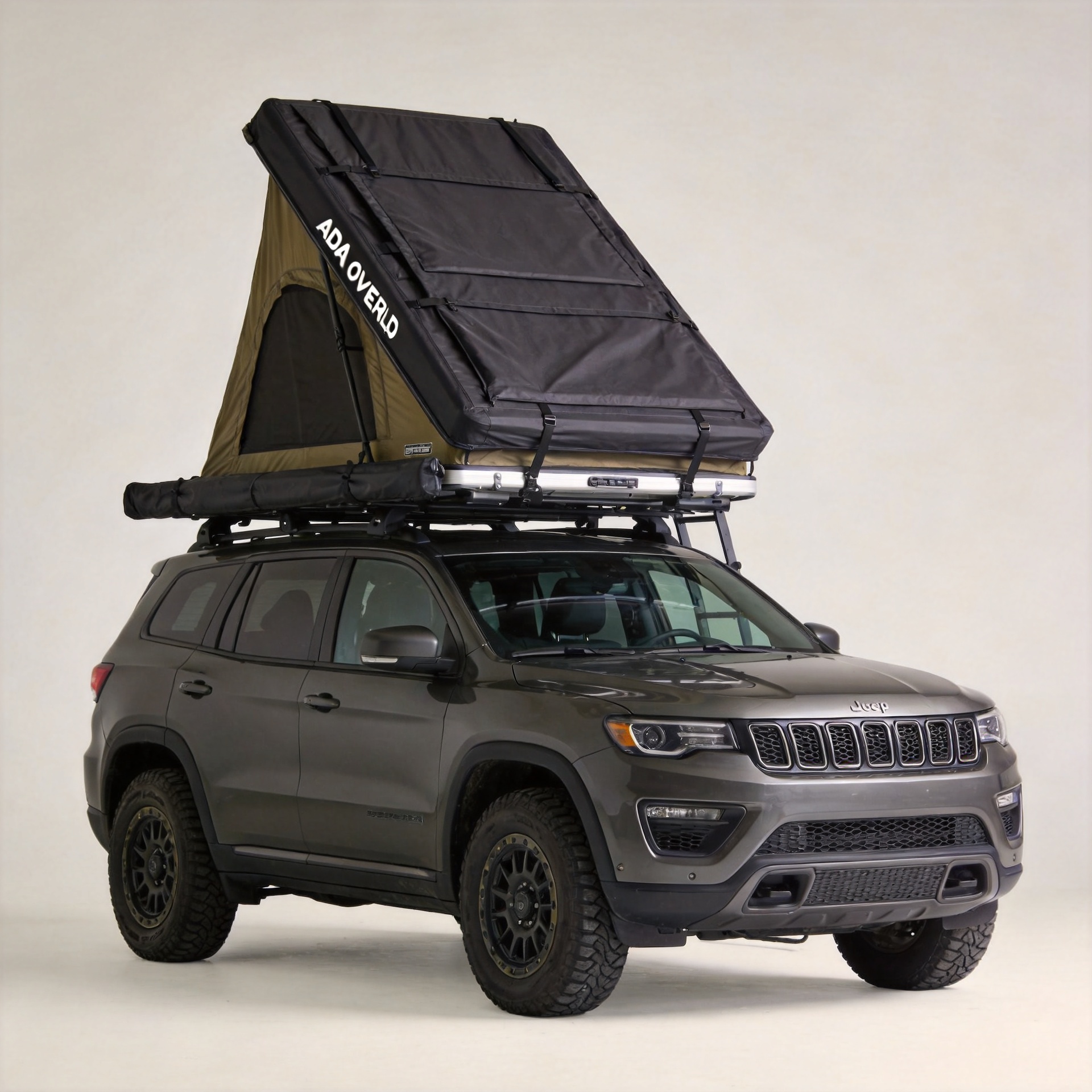
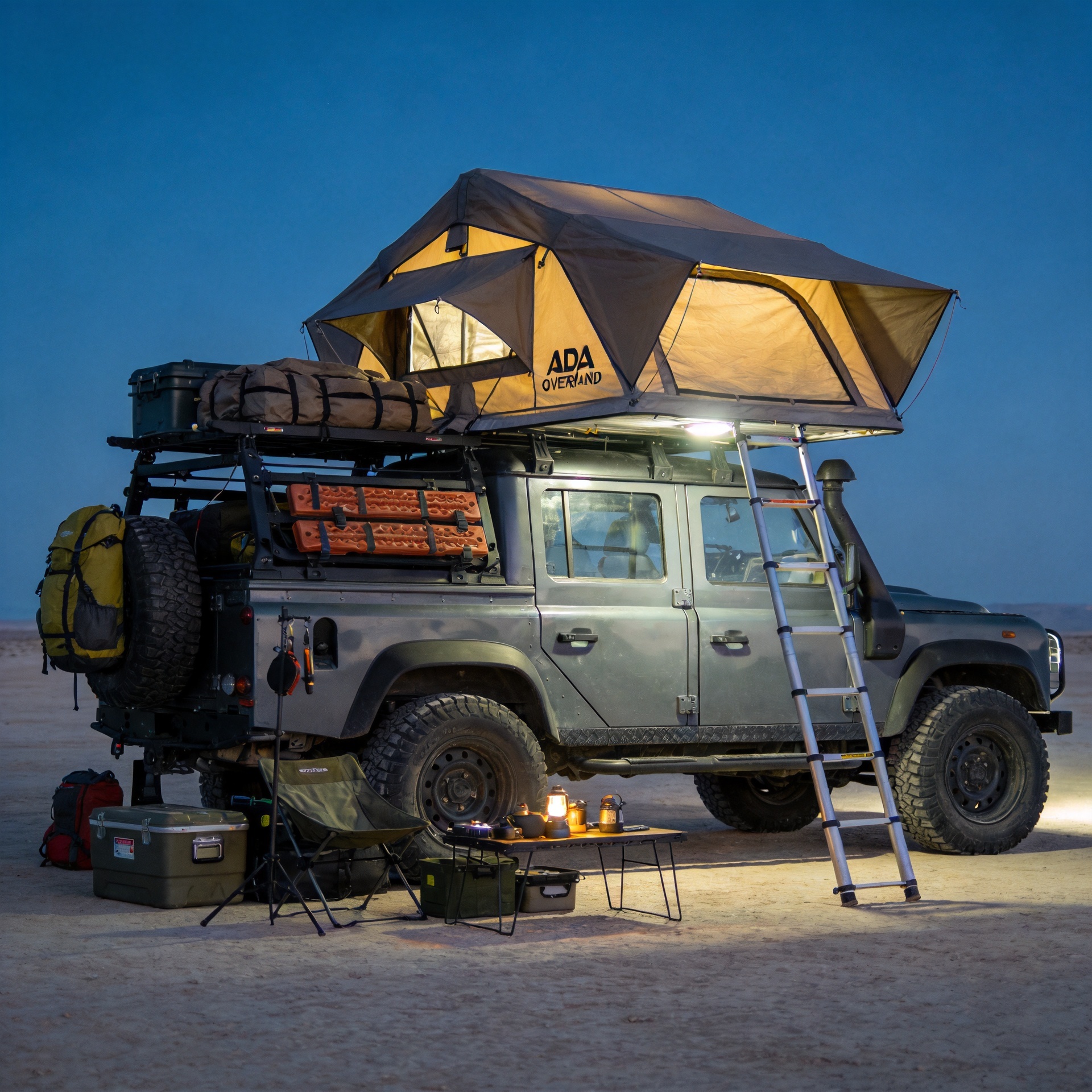
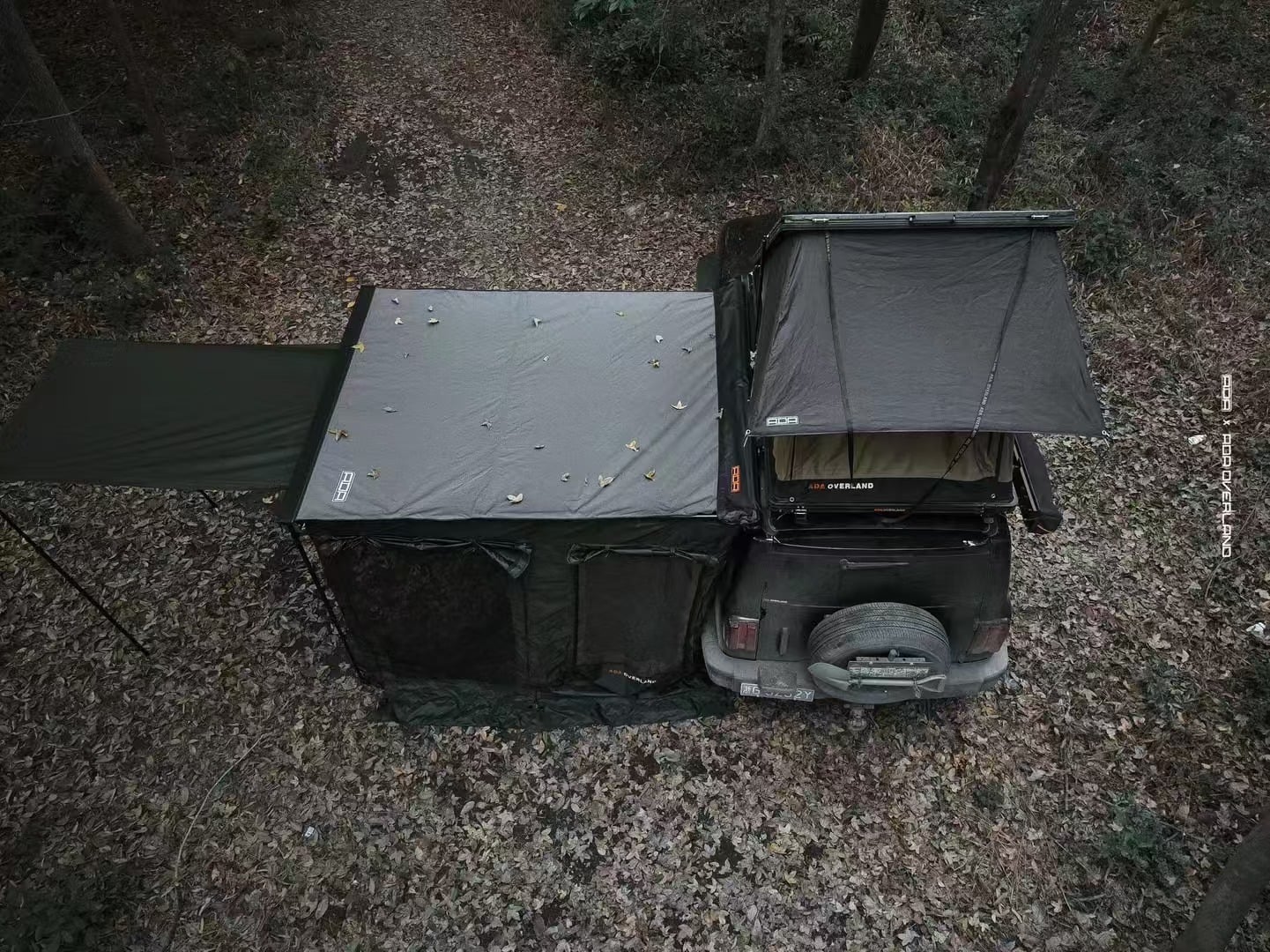
An ADA tent is a roof top tent made under the ADA OVERLAND brand. In everyday use, an ADA tent is not a ground tent and it is not a reference to accessibility camping. It is vehicle-mounted shelter designed for drivers who want to sleep above the ground and move camp with their vehicle. That distinction explains much of the interest: an ADA tent brings the sleeping area, mattress platform, and weather shelter together on a roof-rack system rather than asking travelers to unpack a separate tent every evening.
For overlanders, the appeal is practical. Routes can change, campsites can be rough, and arrivals often happen late. A well-matched ADA tent can make the overnight routine more repeatable: park on suitable ground, deploy the tent, secure the ladder, and set up the rest of camp. It still needs careful vehicle compatibility checks, but it reduces several common ground-camping friction points.
What does “ADA tent” mean?
In this context, ADA tent is shorthand for a rooftop-tent option associated with ADA OVERLAND, a Zhejiang outdoor-gear manufacturer focused on rooftop tents and related camping equipment. The brand profile describes more than eight years of manufacturing experience, OEM/ODM capability, and a portfolio of 60+ patents. Those facts provide useful brand context, but they should not be read as a promise that every ADA tent has the same materials, dimensions, or features. Buyers should review the specifications for the exact model and market configuration.
An ADA tent is generally part of the roof-top-tent category, which includes softshell fold-out designs and hardshell pop-up designs. The right style depends on how often you move camp, available garage clearance, roof-load limits, number of sleepers, and the weather you expect. There is no universally right ADA tent; the appropriate choice is the one that fits the vehicle and trip pattern.
Why does an ADA tent suit overlanding?
Overlanding combines travel with self-supported camping, so shelter is judged by more than how it looks in a product photo. An ADA tent is popular in that setting because it can address four recurring needs.
1. A faster, more repeatable camp routine
When a driver reaches camp after a long day, setup simplicity matters. A roof-mounted ADA tent keeps much of the shelter system attached to the vehicle, so travelers are not searching for a flat patch, clearing stones, and assembling a separate ground tent from scratch. Hardshell layouts may feel especially convenient for frequent moves, while fold-out layouts can prioritize sleeping area. Manufacturer setup times are usually measured in favorable conditions, though; arriving after dark with cold hands can make any ADA tent take longer than a demonstration suggests.
2. An elevated sleeping platform
An ADA tent puts sleepers above mud, pooled water, dust, and uneven ground. The benefit is not that elevation eliminates every outdoor concern; it is that a level roof-rack platform can make the sleep surface more predictable when a campsite is imperfect. Before buying an ADA tent, confirm that the vehicle can be parked safely and that the ladder can sit at a stable angle on the actual surface.
3. Useful weather and ventilation features
Overlanding trips can cross hot, wet, windy, and cool conditions in a single season. A suitable ADA tent should be evaluated for fabric, seam construction, rain protection, ventilation, and hardware rather than by a single headline rating. Ventilation matters because condensation can become uncomfortable overnight, especially when a closed tent holds two people and damp gear. In most cases, a weather-ready ADA tent is one with a coherent system of rain coverage, openings, mesh, and sensible campsite use—not simply the product with the boldest waterproof claim.
4. A compact base for changing routes
Because an ADA tent travels on the vehicle, it supports the flexible rhythm many overlanders want: drive, stop, sleep, and continue the next morning. It can also preserve interior vehicle space for water, recovery gear, cooking equipment, and clothing. That advantage is strongest for people who move often. If you stay in one campground for a week or need the vehicle during the day, a ground tent or trailer can be more convenient.
The safety question: can your vehicle carry an ADA tent?
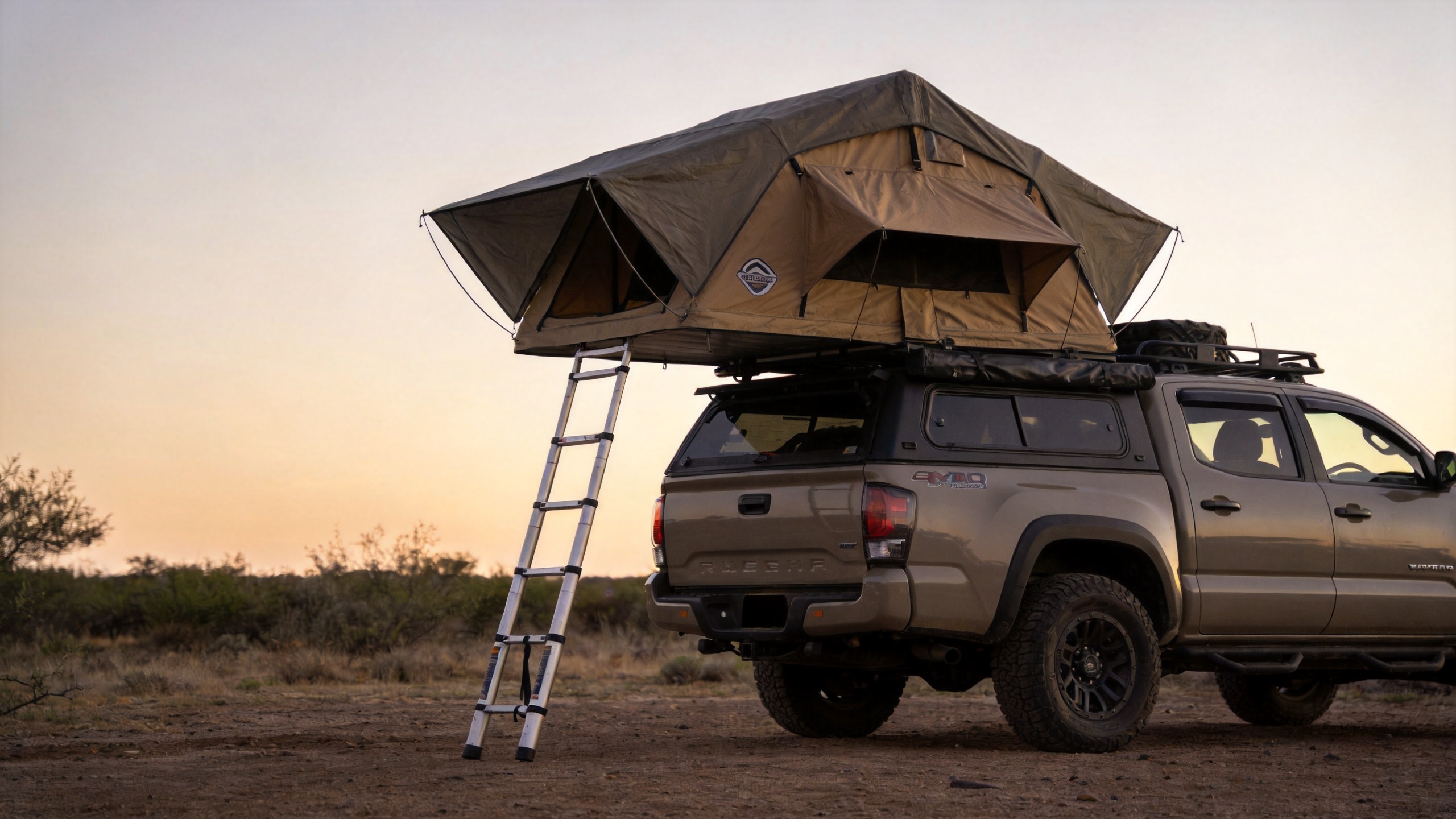
This is the decision that deserves the most attention. An ADA tent must be compatible with the vehicle roof, rack, crossbars, mounting system, and published load limits. A common mistake is to look only at a rack’s stationary capacity. Dynamic roof-load capacity applies while driving and is the limit that governs the combined tent, rack, and mounted gear in motion. Static capacity applies when parked and may be higher, but it does not erase the need to respect the vehicle manufacturer’s driving limit.
Before mounting an ADA tent, check the model’s packed weight, the rack manufacturer’s guidance, vehicle roof-load information, crossbar spacing, mounting hardware, and any local installation requirements. Have a qualified installer help when compatibility is uncertain. Weight is only one part of the equation: high-mounted gear can affect vehicle handling, clearance, fuel use, and access to parking structures.
Softshell or hardshell: which ADA tent format fits?
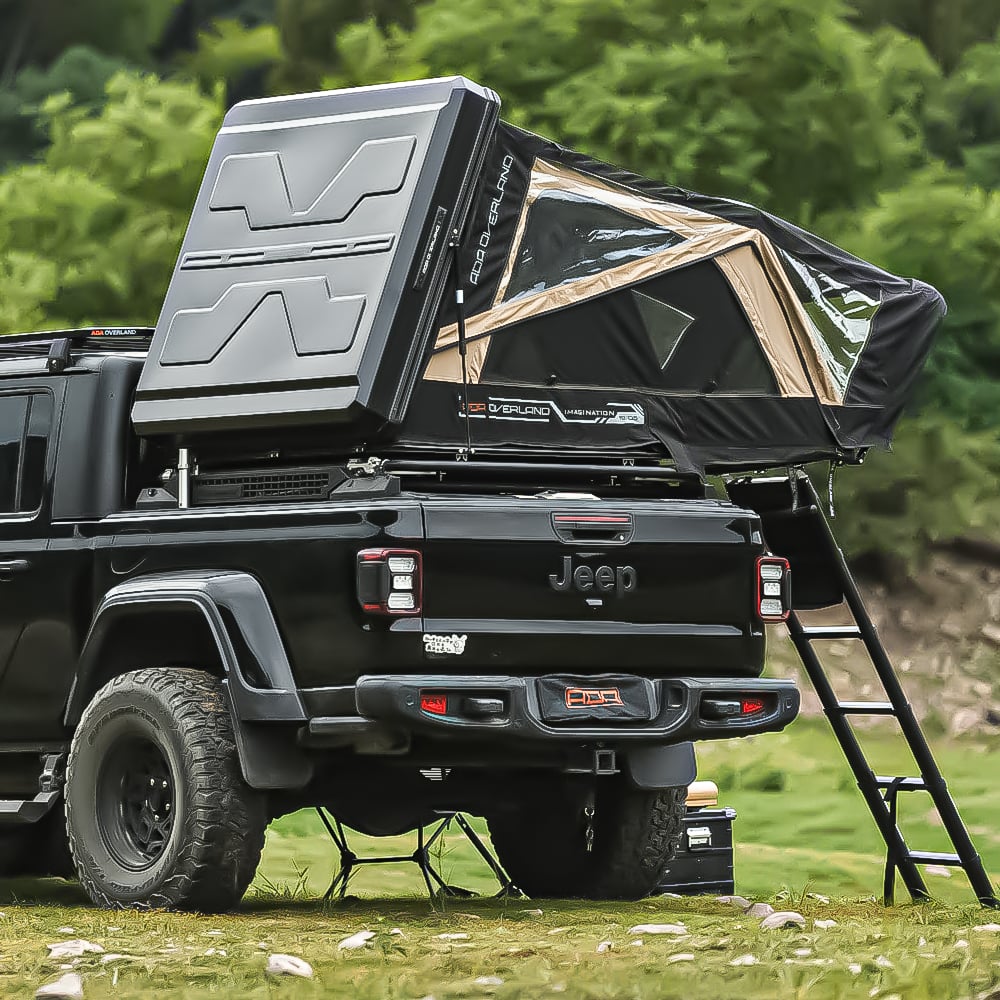
Choosing between softshell and hardshell is not a quality question; it is a usage-pattern question. A softshell ADA tent may suit travelers who value a larger sleeping footprint or flexible configurations. A hardshell ADA tent may suit travelers who prioritize a low-profile closed form and frequent deployment. Both types need the same discipline around mounting, inspection, ventilation, and packdown after rain.
| Priority | What to assess on an ADA tent |
|---|---|
| Frequent overnight moves | Deployment and packdown steps, latch operation, ladder handling |
| Family or extra space | Sleeping footprint, entry layout, vehicle and rack capacity |
| Wet or humid trips | Seams, rain coverage, adjustable ventilation, drying routine |
| Daily-driver use | Closed height, wind noise expectations, fuel-use trade-offs, parking clearance |
What should you inspect before buying?
- Fitment: Verify the exact ADA tent, rack, vehicle roof, and mounting arrangement together.
- Load limits: Use the vehicle’s dynamic roof-load rating as the driving constraint and include all mounted equipment.
- Use pattern: Decide whether your trips favor fast daily moves, long stays, solo use, or family capacity.
- Weather management: Ask how the ADA tent vents, sheds rain, and packs away when damp.
- Support and documentation: Review installation instructions, inspection guidance, warranty terms, and available replacement parts for your market.
Is an ADA tent right for you?
An ADA tent can be a strong overlanding choice for drivers who want an elevated sleep setup and a more consistent camp routine. Its popularity comes from the combination of mobility, fast access to shelter, and a purpose-built place to sleep after a day on the road. But the first priority is still safe fitment. If your roof system, vehicle load rating, storage space, and travel style align with the model, an ADA tent can become a practical part of an overland setup rather than just an attractive accessory.


 Hot News