EN
EN

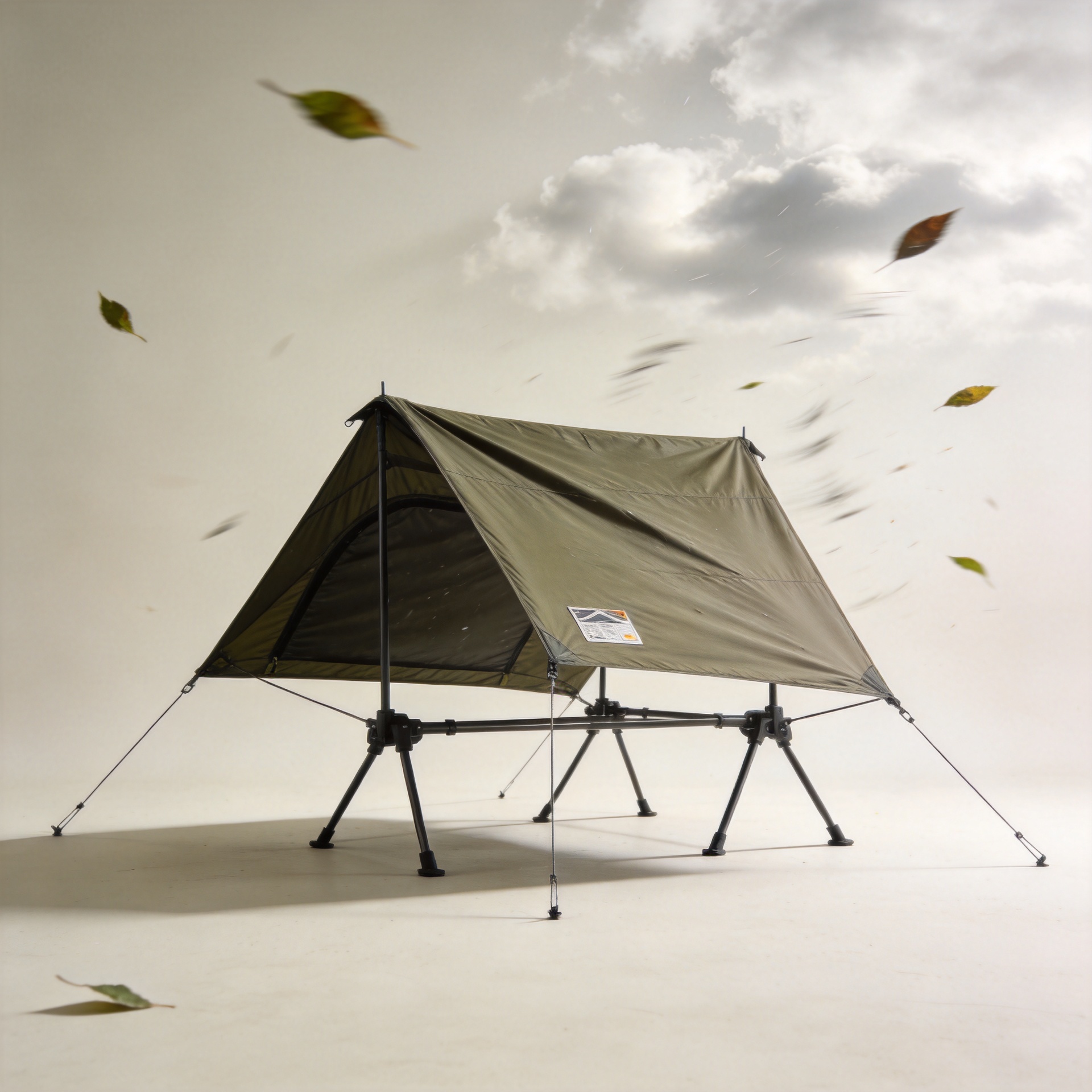
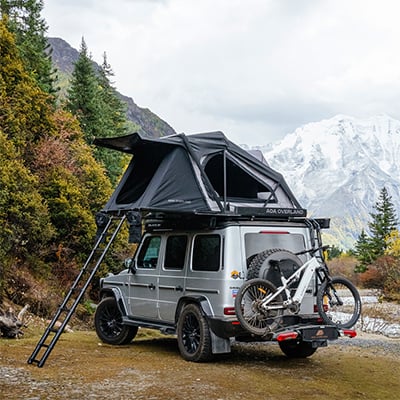
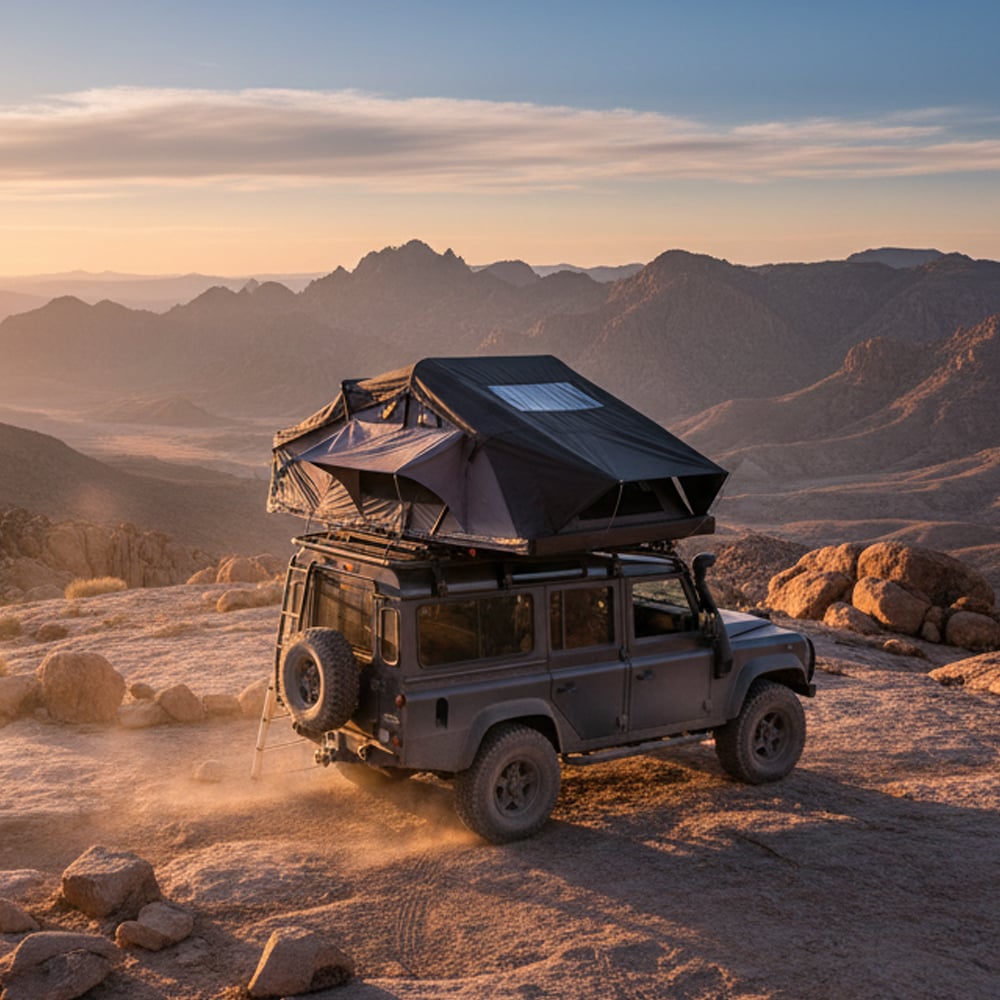
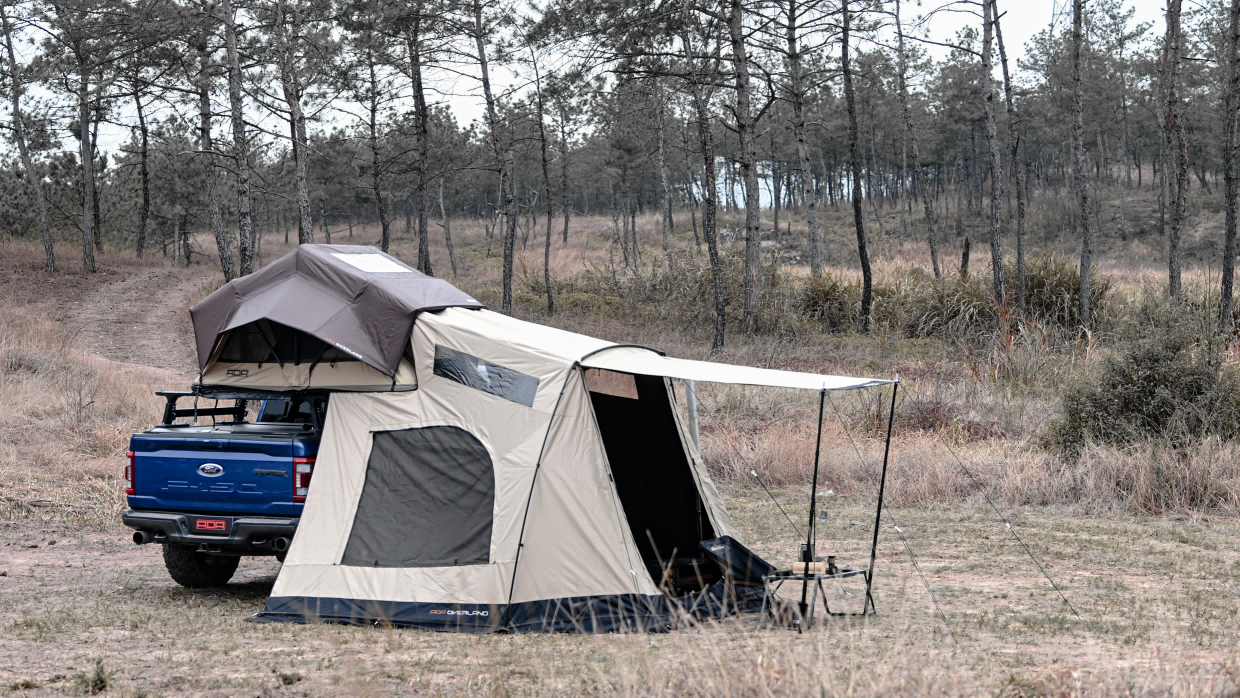
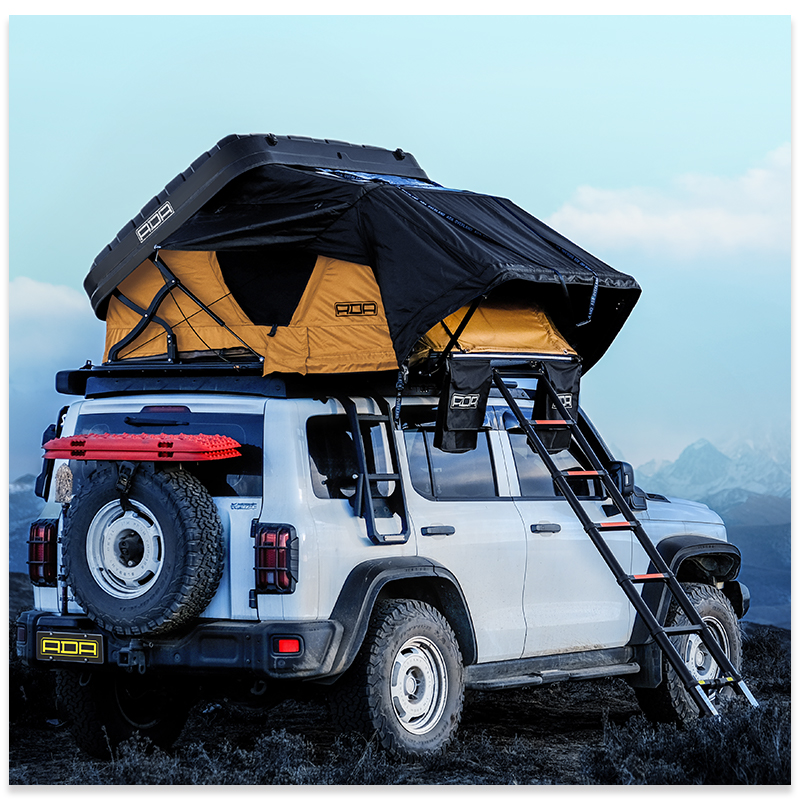
Camping under the stars is an incredible experience, but high winds can quickly turn a peaceful night into a stressful ordeal. For enthusiasts relying on a vehicle tent, understanding how to manage wind exposure is a critical skill. Stability is not merely about comfort; it is about the structural integrity of the shelter and the safety of everyone inside. By combining smart campsite selection with proper tension management, adventurers can confidently face gusty conditions and enjoy their journey without worrying about their setup.
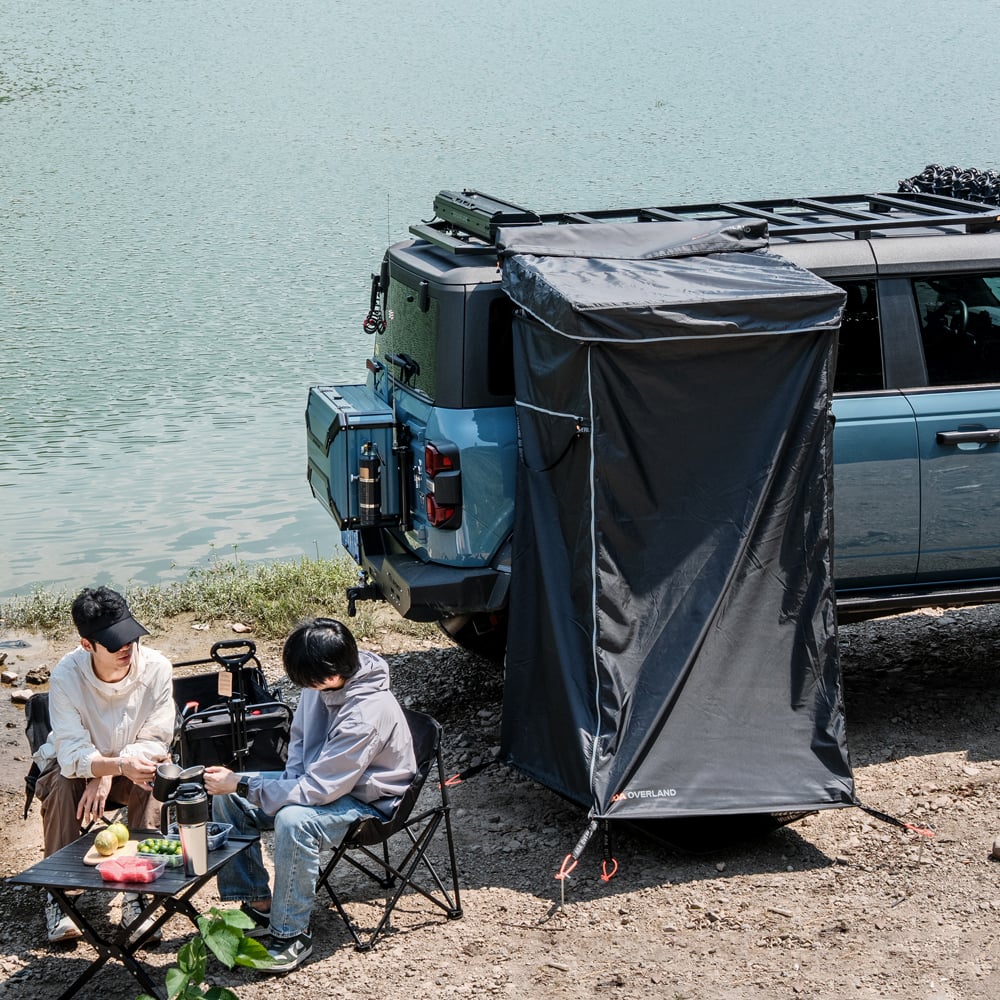
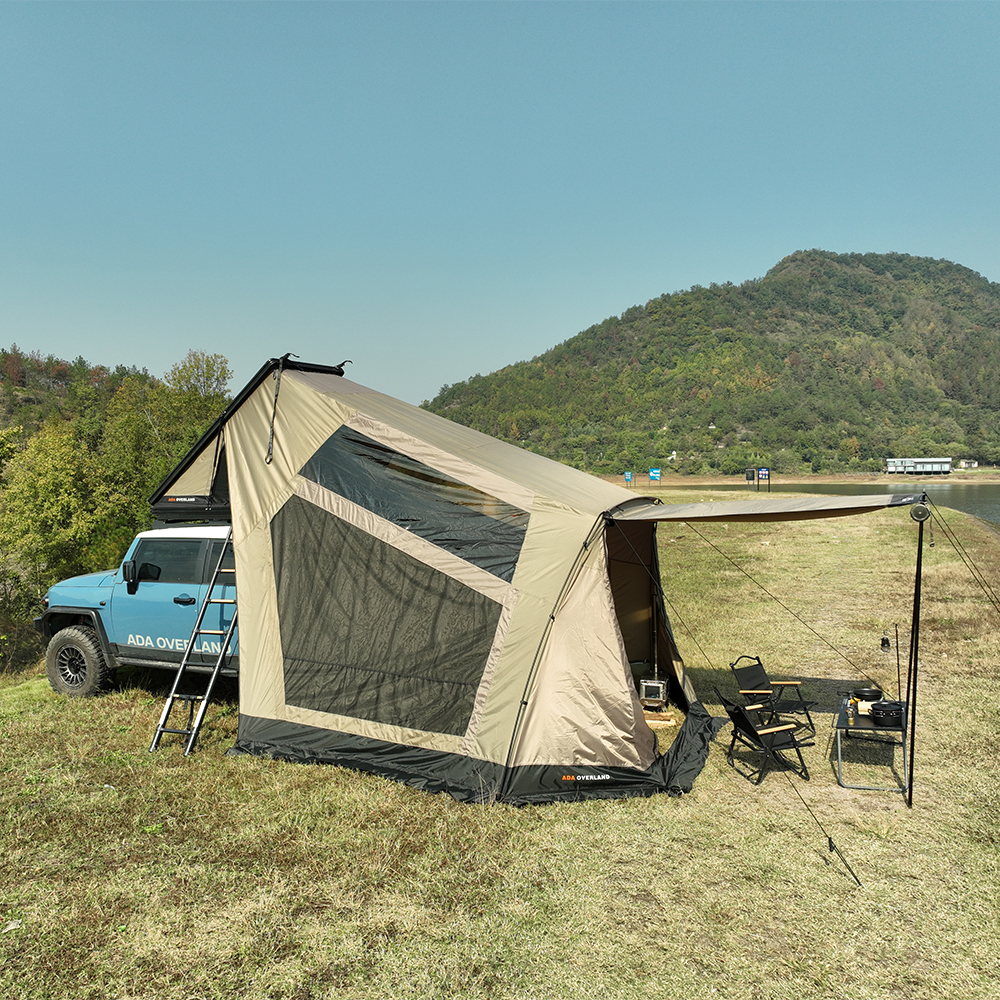
Wind acts as a dynamic force that tests the limits of any structure. When a vehicle tent is deployed, its orientation relative to the wind direction is the most significant factor in stability. Positioning the narrowest profile of the tent against the wind creates a smaller surface area, significantly reducing drag and wind pressure. Furthermore, maintaining high tension across the fabric prevents flapping, which not only causes noise but also stresses the frame joints over time. Ensuring that the tent is securely anchored to the roof rack is the baseline requirement; from there, it is all about minimizing wind-catching surfaces.
| Action Item | Why it Matters | Pro-Tip |
| Wind Orientation | Reduces surface drag | Face the rear or side to the wind |
| Tight Guy Lines | Eliminates fabric vibration | Use elastic tensioners for flexibility |
| Tightened Latches | Prevents frame movement | Check all mounting bolts before sleep |
| Clearance Check | Avoids debris impact | Stay away from lone, swaying trees |
Not all tents are built to handle the same environmental stressors. The difference often lies in the quality of the frame and the weave of the fabric. High-denier, rip-stop fabrics are essential for resisting tearing under extreme pressure, while lightweight yet rigid aluminum frames provide the necessary skeleton to maintain shape during heavy gusts. Choosing a tent that features reinforced hinge points and high-quality stainless steel hardware is a smart long-term investment. These components do not just hold the structure together; they ensure that the entire system acts as a singular, aerodynamic unit.
| Material Type | Strength | Wind Resistance | Best Usage |
| 280G Rip-stop Canvas | Very High | Excellent | Heavy-duty, long-term camping |
| Polyester Blends | Moderate | Good | Casual weekend trips |
| Aluminum Alloy Frame | High | Excellent | Harsh, windy alpine climates |
| Steel Components | Extreme | High (Heavy) | Basecamp/Semi-permanent |
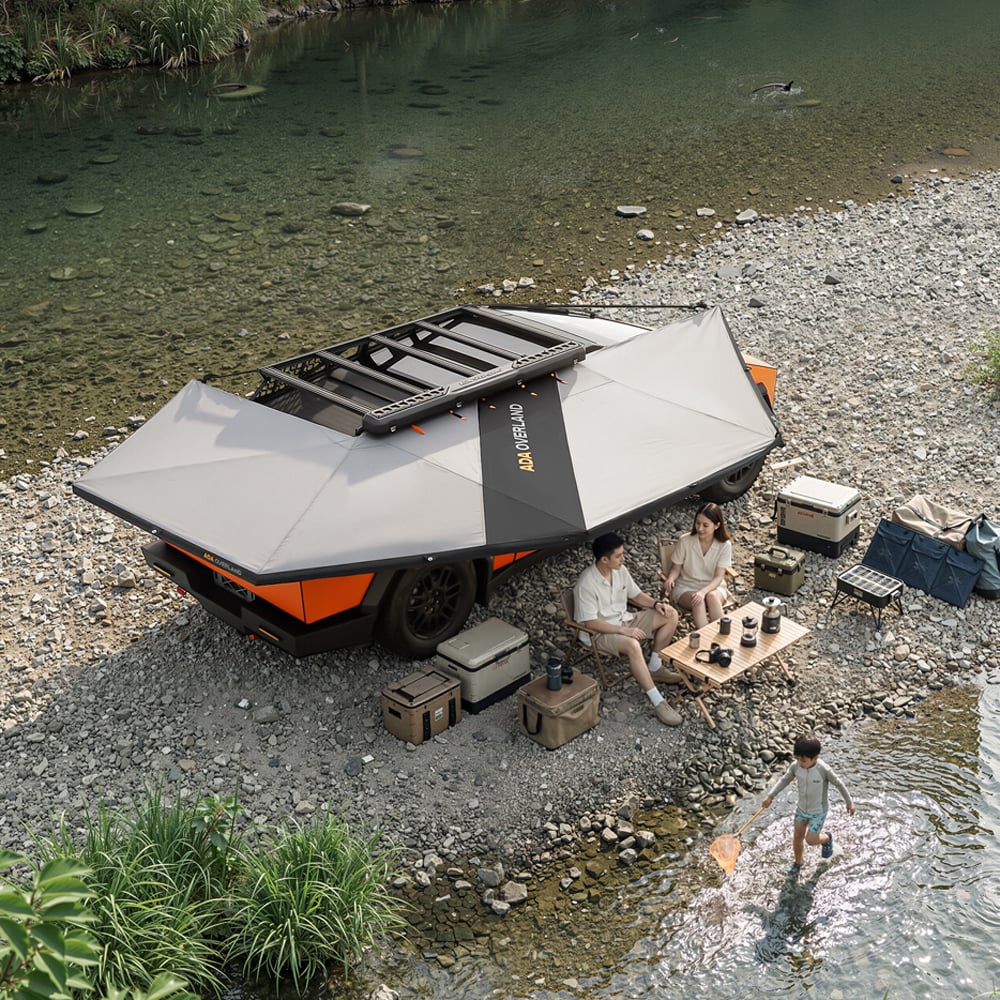
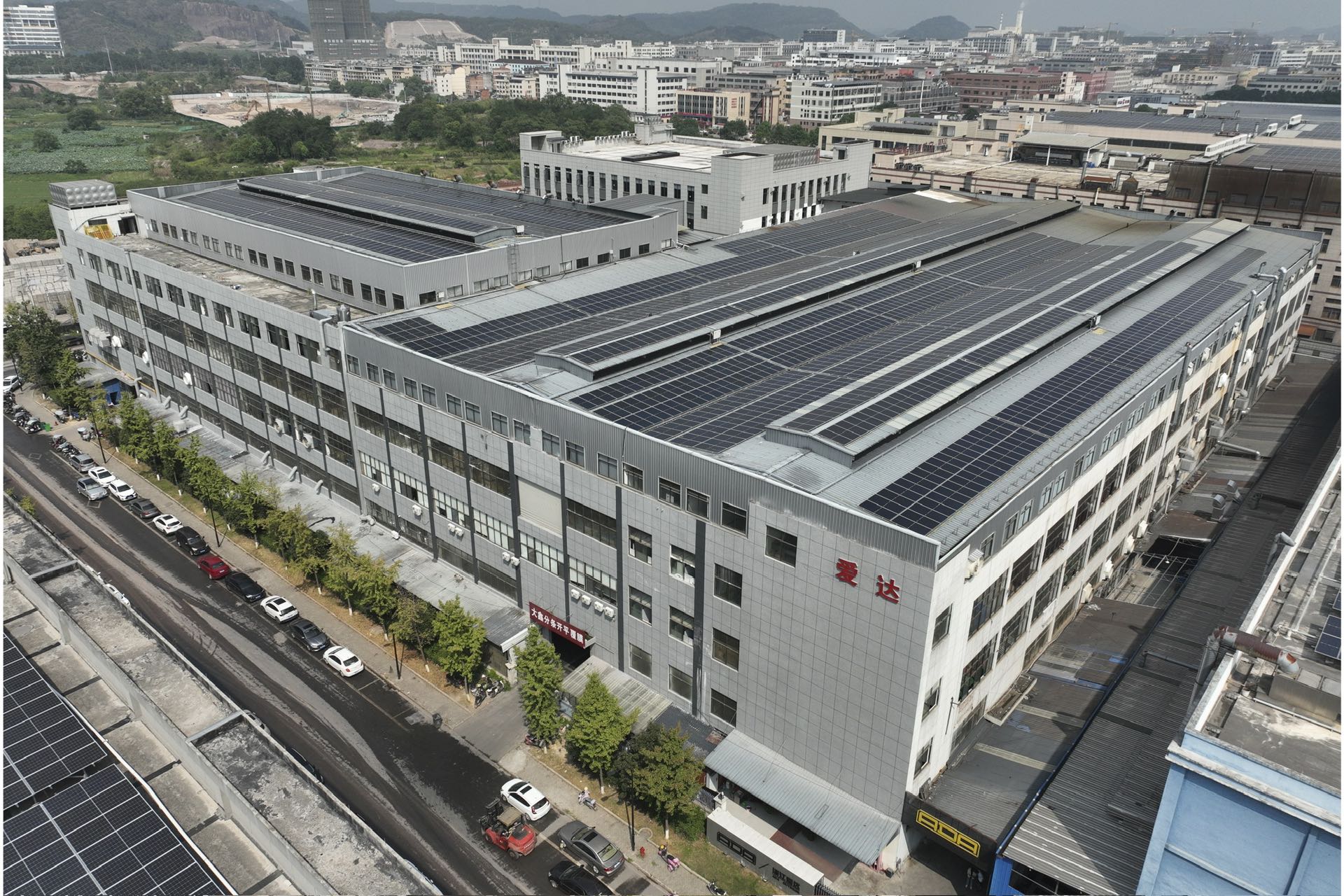
True reliability in the field comes from gear engineered with real-world scenarios in mind. Adaoverland excels in delivering equipment that withstands the rigors of off-road travel. By utilizing premium-grade materials and focusing on innovative hinge designs, Adaoverland ensures that every vehicle tent offers superior structural stability. Their robust manufacturing processes and streamlined supply chain support mean that adventurers receive products that are not only durable but also easily maintainable. Relying on specialized designs from Adaoverland means spending less time worrying about wind gusts and more time exploring the wilderness.
The freedom of overlanding is built upon the reliability of the equipment. A well-prepared camper understands that nature is unpredictable, and success relies on having the right gear and the knowledge to use it. When equipped with a high-performance vehicle tent and an understanding of wind-resistance techniques, outdoor enthusiasts can handle almost any weather challenge. Investing in quality hardware from trusted specialists like Adaoverland provides peace of mind, ensuring that every outdoor escape remains a secure and enjoyable adventure, no matter how hard the wind blows.
 Hot News
2026-09-01
2026-09-15
2026-09-13
2026-09-06
2026-09-01
2026-08-24

Zhejiang Ada Outdoor Products Co.,Ltd. provides premium rooftop tents and outdoor camping gear for global B2B partners. 8+ years, 60+ patents, strict QC. Trusted by international brands. Request OEM quote today.